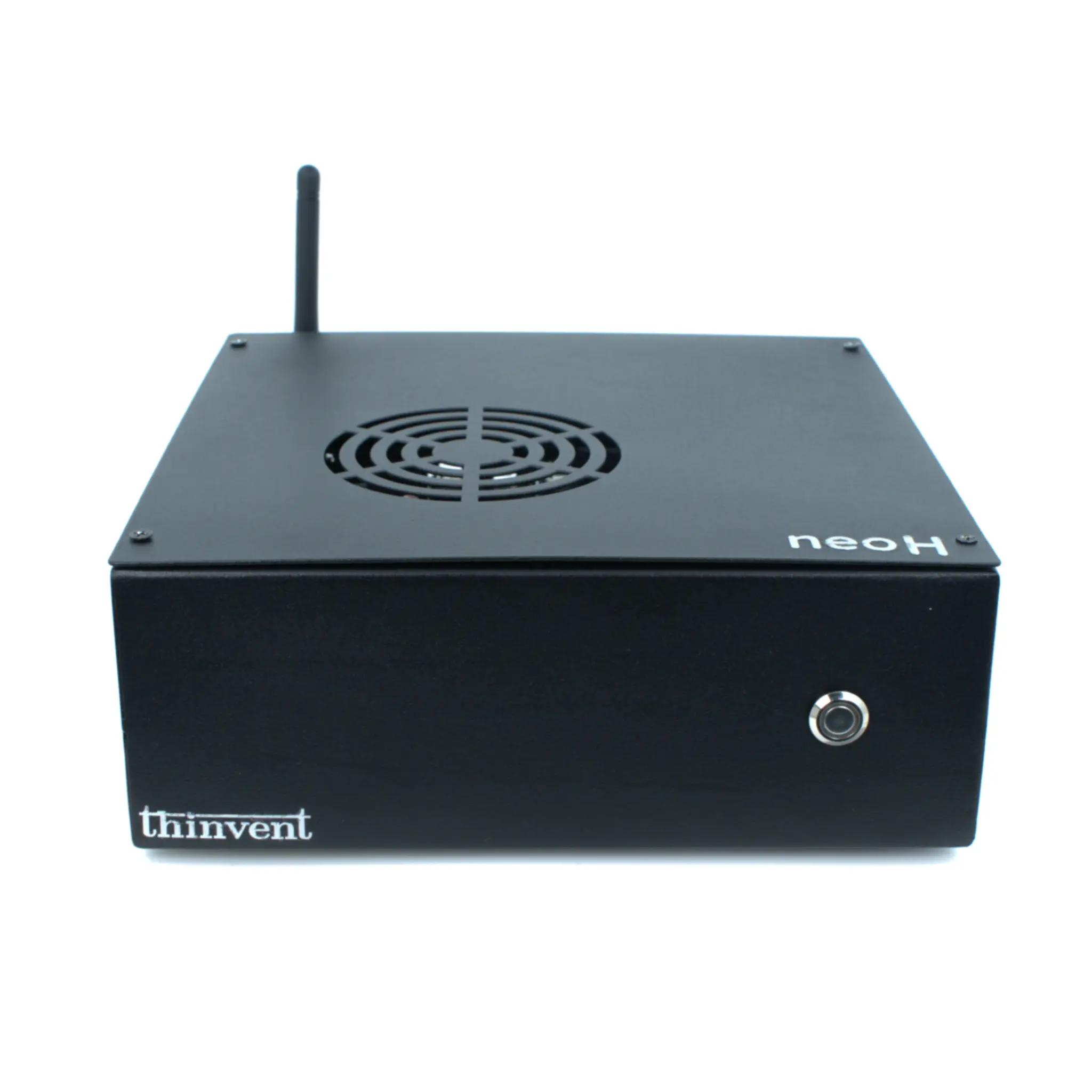
What Are Small Computers (Computadoras Pequeñas)?
Small computers, often referred to as Mini PCs or compact desktops, are complete computing systems engineered into a significantly reduced physical footprint compared to traditional tower desktops. They deliver full desktop functionality—including processing power, memory, storage, and connectivity—in a chassis that can be mounted behind a monitor, placed on a desk, or integrated into tight spaces. These systems are ideal for environments where space is at a premium, energy efficiency is desired, or a minimalist, cable-free setup is preferred.
Key Specifications and Technical Details
Modern small computers are powered by efficient processors from Intel, such as the latest N-series or Core i-series chips. They typically feature soldered or socketed DDR4/DDR5 RAM, fast NVMe or SATA SSD storage, and a comprehensive set of I/O ports including multiple USB 3.2, HDMI/DisplayPort for dual-monitor support, and Gigabit Ethernet. A defining characteristic is their fanless or ultra-quiet cooling design, which eliminates moving parts for silent operation and enhanced reliability in dusty environments. They are powered via low-voltage DC adapters, contributing to their energy efficiency.
Common Use Cases and Applications
The compact size and robust build of these PCs make them versatile for numerous professional and industrial applications:
-
Digital Signage & Kiosks: Reliably powering displays in retail, hospitality, and public information points.
-
Office Workstations: Providing ample performance for productivity software, web browsing, and video conferencing in space-constrained offices or hot-desking setups.
-
Home Theater PCs (HTPCs): Serving as a silent media center for streaming and local content playback.
-
Light Industrial & Edge Computing: Deployed in manufacturing, logistics, and retail for running specialized software, IoT gateways, or control systems due to their durability and wide operating temperature ranges.
-
Thin Client & Virtual Desktop Infrastructure (VDI): Acting as an endpoint to access virtualized desktops and applications from a central server.
Comparison of Common Mini PC Form Factors
| Feature | Ultra-Compact Mini PC (e.g., Thin Client) | Standard Mini PC (e.g., Intel N-Series) | Performance Mini PC (e.g., Intel Core i-Series) |
|---|---|---|---|
| Typical Size | Palm-sized, ~0.5L | Small form factor, ~1L | Slightly larger, ~1-2L |
| Best For | Basic computing, VDI, digital signage | General office use, light multitasking | Demanding applications, light content creation |
| Processor | Intel Celeron/N-series, ARM | Intel N-series, Core i3 | Intel Core i5/i7, higher TDP |
| Expandability | Limited (often soldered) | Moderate (RAM/SSD often upgradable) | Good (multiple RAM slots, M.2 & 2.5" bays) |
| I/O Ports | Basic (USB, HDMI, Ethernet) | Comprehensive (multiple USB, dual display) | Extensive (USB-C, multiple video outputs) |
Thinvent's Range of Compact Computing Solutions
Thinvent specializes in manufacturing reliable, fanless industrial Mini PCs designed for 24/7 operation. Our product lineup includes ultra-compact models powered by Intel N-series processors for essential tasks, as well as more powerful systems featuring Intel Core i3, i5, and i7 processors for demanding workloads. Every Thinvent Mini PC is built with industrial-grade components, wide voltage input support, and operates silently without fans, making them perfect for commercial, digital signage, and light industrial applications where durability and space savings are critical.