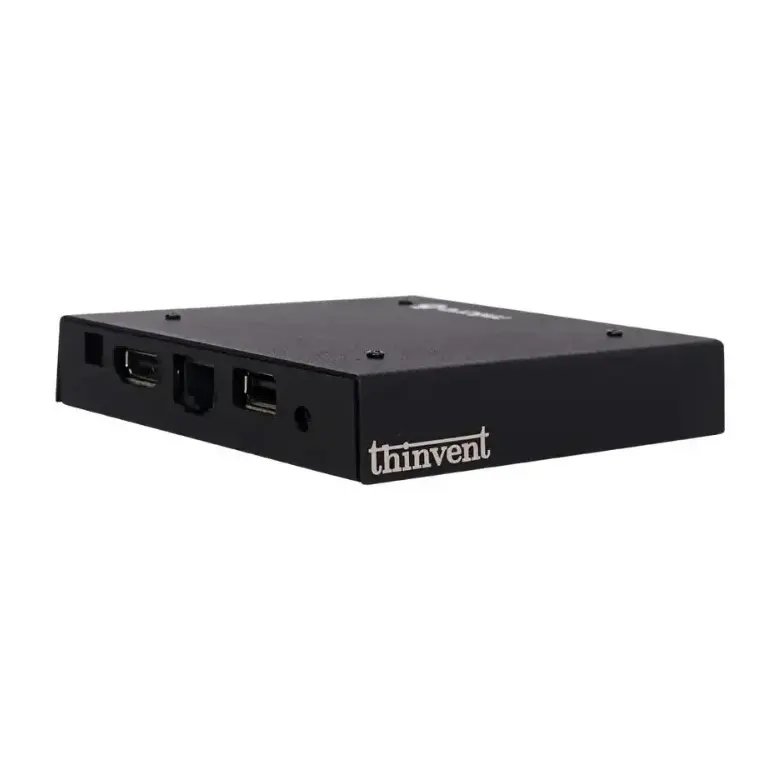
What Is a Fanless Industrial Computer?
A fanless industrial computer is a rugged computing system that cools its processor through a passive heatsink and chassis design instead of a mechanical fan. With no moving parts, these systems avoid drawing dust, metal filings and moisture into the enclosure — a common failure point on factory floors, in kiosks and in outdoor cabinets. A fanless industrial computer is typically rated for wide operating temperatures, continuous 24/7 duty cycles and long-term availability of the same hardware revision for years.
Key Specifications to Evaluate
Industrial computers are specified differently from office desktops. The important parameters are:
| Specification | What to Look For | Why It Matters |
|---|---|---|
| Processor | Intel Core i3/i5 (12th–14th gen), Intel N-series | Balanced performance per watt for control and HMI software |
| Cores / Cache | 4–12 cores, up to 10 MB cache | Handles multitasking, SCADA and local databases |
| Memory | 8–64 GB DDR4/DDR5 | Headroom for VMs and long-running applications |
| Storage | 128 GB – 1 TB SSD | Shock-resistant, no spinning disks |
| Cooling | Fanless passive heatsink | Dust, vibration and noise immunity |
| Serial / I/O | DB9 RS-232/RS-485, dual Ethernet, dual HDMI | PLC, VFD, scanner and legacy device connectivity |
| Mounting | DIN rail, VESA or panel | Fits inside control cabinets and kiosks |
| OS | Windows 11 Pro/IoT, Ubuntu, embedded Linux | Long-term support and licensing flexibility |
Typical Use Cases
Fanless industrial computers are deployed where reliability and uptime matter more than raw clock speed. Common applications include:
-
Factory automation and machine control — running HMI/SCADA software, connecting to PLCs over RS-232 or RS-485, and logging production data.
-
Digital signage and kiosks — silent operation and VESA mounting suit retail, transport and hospitality environments.
-
Edge data collection — dual Gigabit Ethernet lets one port face the plant network while the other faces the enterprise network.
-
Vision and inspection stations — multiple HDMI outputs and USB 3.2 Gen 2 ports support cameras and displays.
-
Transportation and outdoor cabinets — wide-temperature tolerance and no intake vents reduce maintenance visits.
Choosing the Right Configuration
Start with the software. HMI and SCADA packages generally run comfortably on a 6-core Intel Core i3 with 8–16 GB of RAM, while virtualisation, video analytics or database workloads benefit from an i5 with 32 GB or more. Storage should be SSD-only for shock resistance. Count your serial devices before ordering — models with quad DB9 ports save the cost and clutter of USB-to-serial adapters. Finally, decide on the operating system up front: Windows 11 Pro for standard commercial software, Windows 11 IoT for long-lifecycle deployments, or an embedded Linux build where licensing cost and stability are priorities.
Thinvent's Industrial Computer Range
Thinvent manufactures fanless industrial computers, mini PCs, thin clients and all-in-one PCs built for continuous operation in demanding environments. Our IPC series pairs 12th-generation Intel Core processors with fanless chassis designs, wide input power options and flexible I/O including dual Ethernet, dual HDMI, USB 3.2 Gen 2, USB-C and optional quad DB9 serial ports. Systems ship with Windows 11 Pro, Windows 11 IoT, DOS, or Thinux™ embedded Linux, and are backed by long-term supply commitments so a deployment stays standardised across sites.