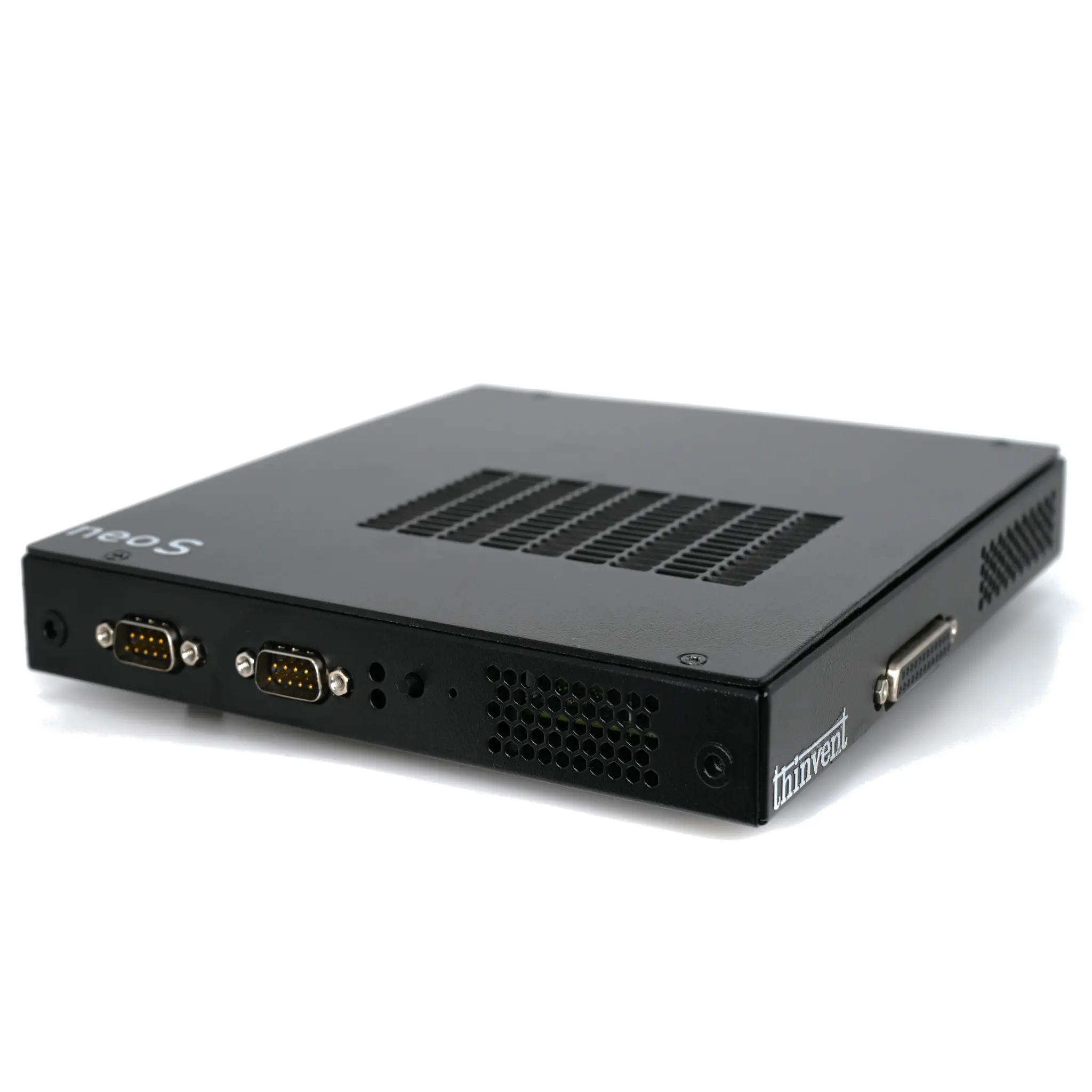
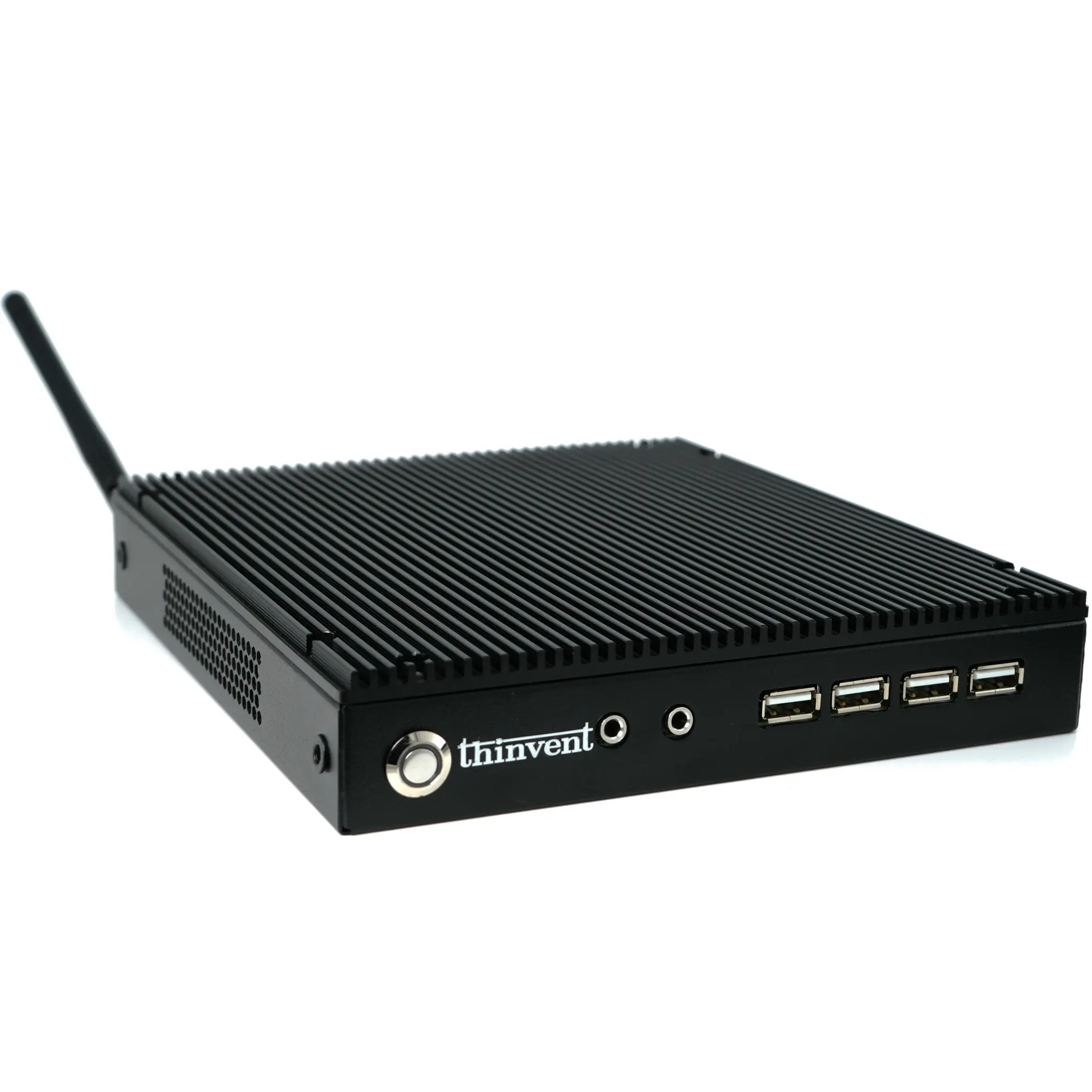
A computer desktop tower, in an industrial context, refers to a robust, standalone computing unit designed for demanding environments. Unlike consumer towers, these systems prioritize reliability, durability, and long-term performance over flashy aesthetics. They are engineered to withstand factors like dust, vibration, wide temperature ranges, and continuous 24/7 operation, making them unsuitable for standard office or home use.
Key Specifications and Technical Details
Industrial desktop towers are defined by their rugged construction and specialized components. Key specifications include:
-
Rugged Chassis: Typically constructed from heavy-gauge steel with reinforced mounting points to absorb shock and vibration.
-
Fanless Cooling: Many models use passive, fanless cooling systems with extensive heat sinks. This eliminates moving parts, a primary point of failure, making them ideal for dusty environments and ensuring silent, maintenance-free operation.
-
Wide Operating Temperature: Certified to operate reliably in extreme temperatures, often from -20°C to 60°C or beyond.
-
Industrial-Grade Components: Motherboards, power supplies, and storage use industrial-grade chipsets and SSDs rated for higher endurance and longevity.
-
Rich I/O Connectivity: Feature a comprehensive array of ports, including multiple Gigabit Ethernet, serial (COM) ports, USB, and expansion slots (PCI/PCIe) for adding specialized cards for data acquisition, communication, or additional display outputs.
Common Use Cases and Applications
These computers are deployed in scenarios where standard PCs would fail. Primary applications include:
-
Factory Automation & Control: Acting as a central controller for PLCs, HMIs, and robotic systems on the manufacturing floor.
-
Digital Signage & Kiosks: Powering displays in public spaces, retail environments, and transportation hubs, often in enclosed, poorly ventilated spaces.
-
Machine Vision & Inspection: Processing high-resolution images from cameras for quality control on fast-moving production lines.
-
Edge Computing & IoT Gateways: Aggregating, processing, and analyzing data from sensors and equipment at the network edge before sending it to the cloud.
Comparison: Industrial vs. Consumer Desktop Towers
| Feature | Industrial Desktop Tower | Consumer Desktop Tower |
|---|---|---|
| Primary Goal | Reliability & Durability | Performance & Cost |
| Operating Temp | Wide Range (e.g., -20°C to 60°C) | Narrow Range (e.g., 5°C to 35°C) |
| Cooling | Often Fanless (Passive) | Active (Fans) |
| MTBF (Mean Time Between Failures) | Very High (e.g., 50,000+ hours) | Standard |
| Shock & Vibration Resistance | High (MIL-STD-810G often certified) | Low |
| Expansion | Industrial I/O (Serial, GPIO, PCI) | Consumer I/O (Gaming, Audio) |
| Lifecycle Support | Long-term (5-10+ years) | Short-term (1-3 years) |
Thinvent Industrial Desktop Solutions
Thinvent offers a range of industrial-grade computing solutions that embody the principles of a rugged desktop tower in modern form factors. Our product lines, such as the Aero Mini PC series, provide the core benefits of a traditional industrial tower—fanless operation, wide temperature tolerance, and robust performance—in a compact, space-saving design. These systems are powered by efficient Intel processors, support ample DDR4 RAM and SSD storage, and come with multiple operating system options, including Windows 11 IoT, Windows 11 Pro, and various Linux distributions. For applications requiring the ultimate in expandability and raw power in a traditional tower format, Thinvent's broader portfolio includes scalable Industrial PC platforms designed for the most challenging deployment environments worldwide.