What is the Best Computer for Electrical Engineering?
The ideal computer for electrical engineering is a robust, reliable industrial-grade system designed to handle demanding software like CAD (e.g., AutoCAD Electrical, EPLAN), circuit simulation (e.g., SPICE, MATLAB/Simulink), and PCB design tools (e.g., Altium Designer, KiCad). These applications require a balanced combination of processing power, sufficient RAM for complex models, fast storage for quick file access, and stable operation in various environments. An industrial PC with fanless cooling is often preferred for its durability, silence, and resistance to dust in lab or workshop settings.
Key Specifications and Technical Details
For professional electrical engineering work, focus on these core specifications:
-
Processor: Multi-core Intel processors (i3, i5, or newer generations like 12th/13th/14th Gen) provide the necessary performance for simulation and rendering tasks. For dedicated control or HMI applications, efficient Intel Celeron or N-series processors are suitable.
-
Memory (RAM): 16GB is a practical minimum for multitasking with engineering software; 32GB or more is recommended for large projects or advanced simulations.
-
Storage: A fast SSD (512GB or 1TB) drastically reduces load times for applications and large project files.
-
Connectivity: Multiple display outputs (HDMI, DisplayPort) are essential for a multi-monitor setup. Ample USB ports (including USB 3.2) are needed for connecting programmers, oscilloscopes, logic analyzers, and other test equipment.
-
Reliability: Fanless, solid-state design ensures long-term operation without moving parts that can fail, which is critical for 24/7 monitoring or control systems.
Primary Use Cases and Applications
Industrial computers serve electrical engineers across multiple domains:
-
Design & Simulation Workstations: Running intensive CAD and simulation software for circuit design and analysis.
-
Industrial Automation & Control: Acting as a central controller or HMI (Human-Machine Interface) in manufacturing lines, power distribution systems, or smart grid applications.
-
Test & Measurement Rigs: Integrating with lab equipment for data acquisition, analysis, and automated testing of prototypes.
-
Embedded Systems Development: Providing a stable platform for developing and debugging firmware for microcontrollers and PLCs.
Thinvent Industrial Computers for Electrical Engineering
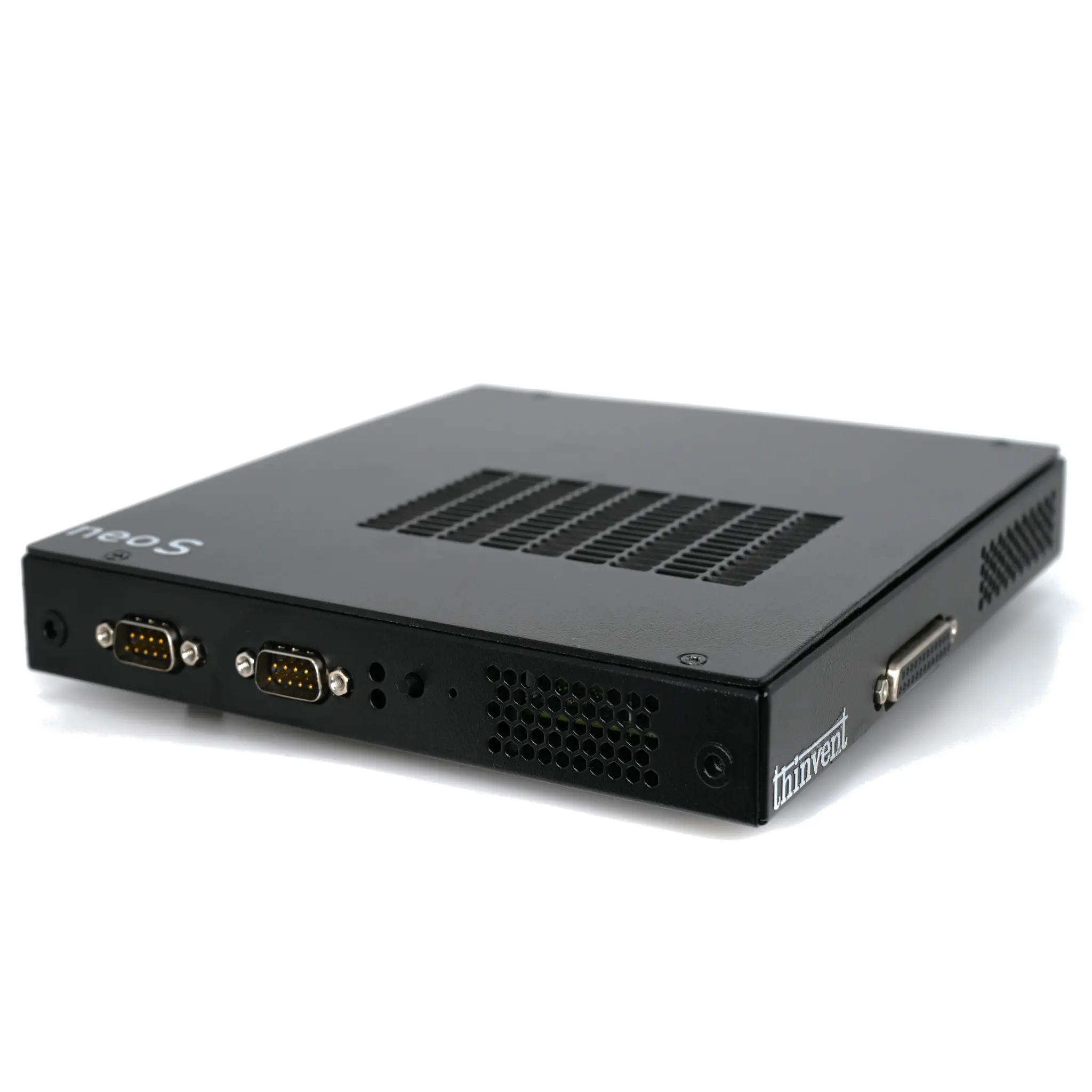
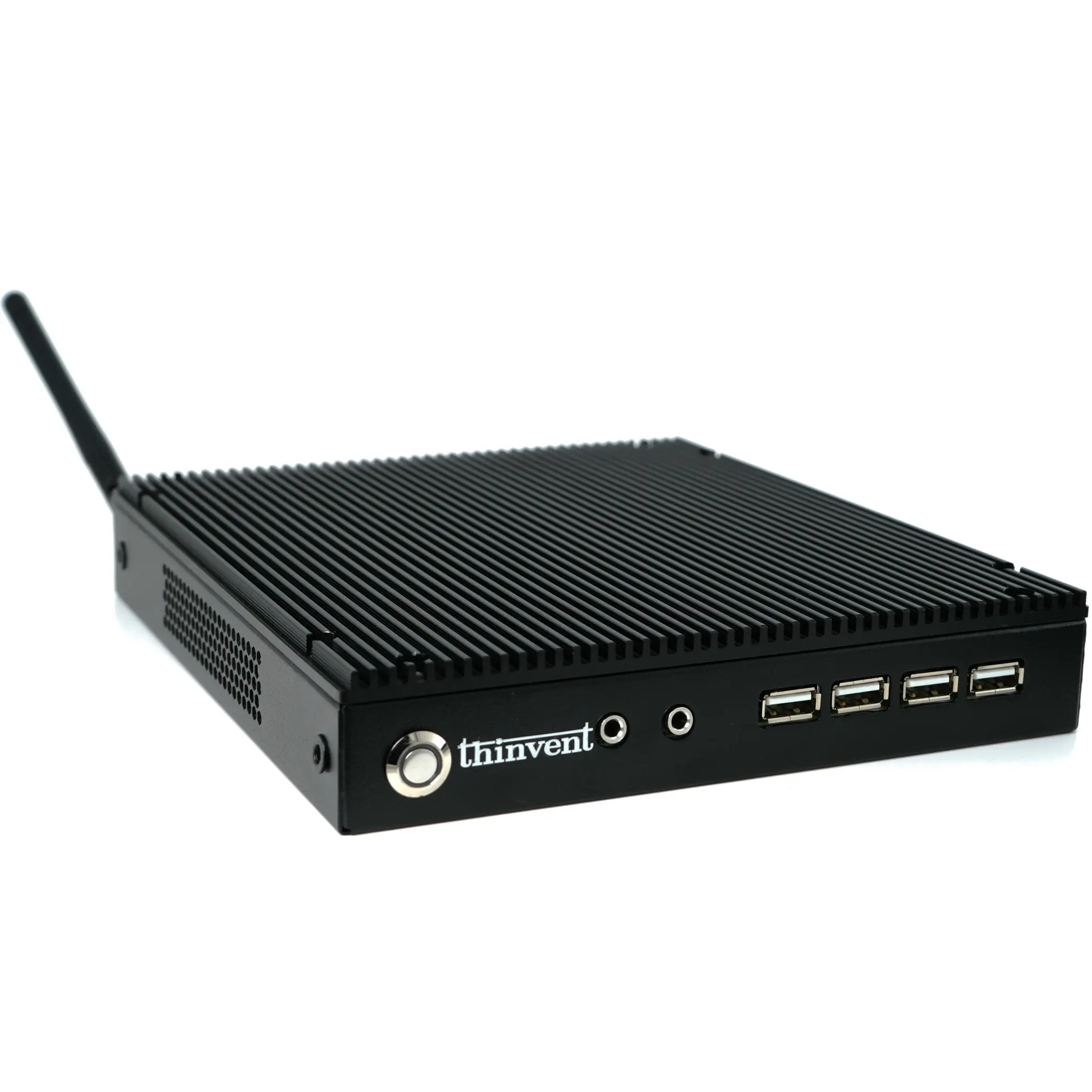
Thinvent offers a range of industrial computing solutions built to meet the rigorous demands of electrical engineering. Our product lines include compact Mini PCs and Industrial PCs featuring fanless designs, wide operating temperature ranges, and robust connectivity. Systems are available with powerful Intel Core processors, ample DDR4/DDR5 RAM, and high-speed NVMe SSDs to handle complex engineering workloads. Whether you need a silent workstation for design, a rugged computer for a control cabinet, or a reliable unit for a test bench, Thinvent provides customizable, durable hardware engineered for professional use.