What Are Industrial Grade Computers?
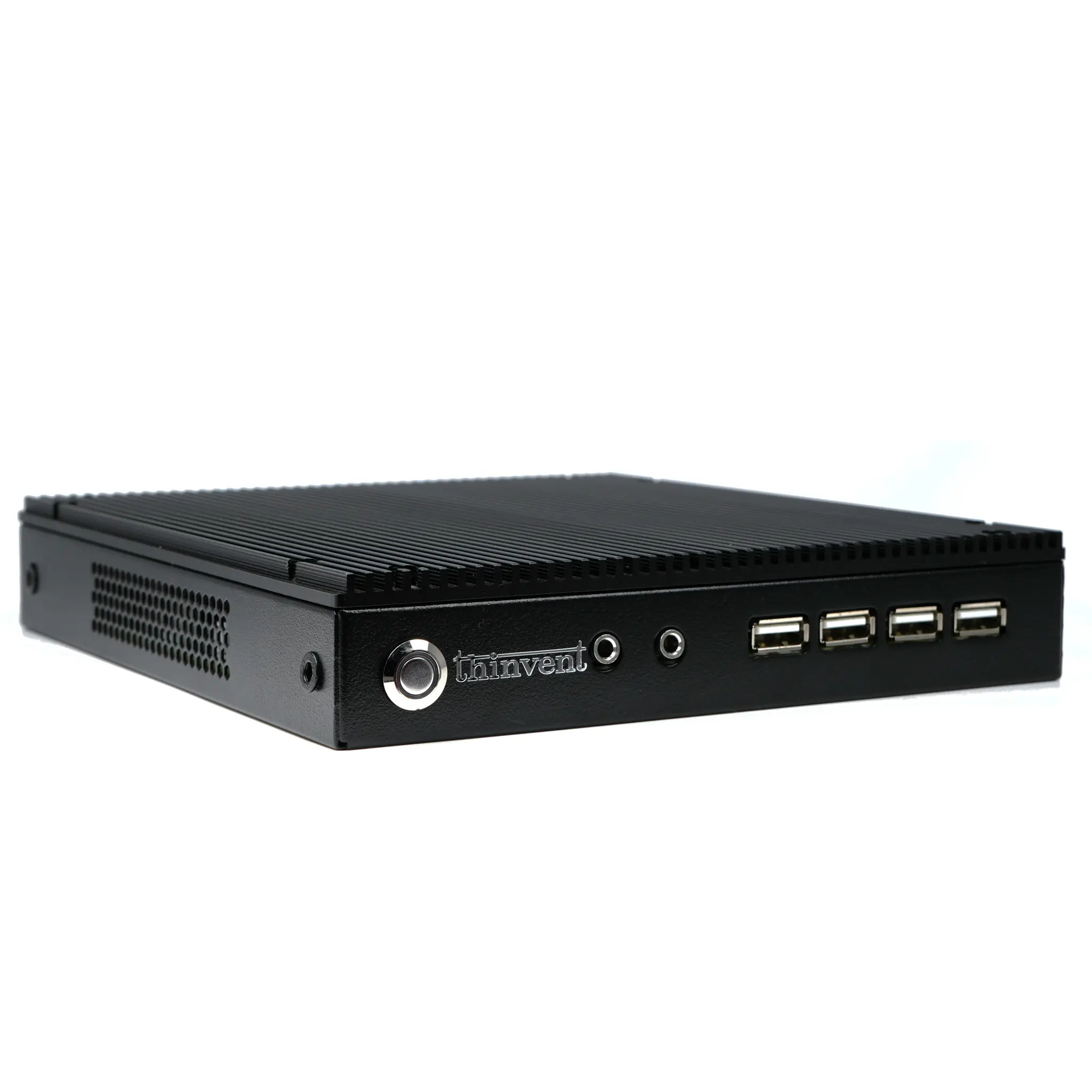
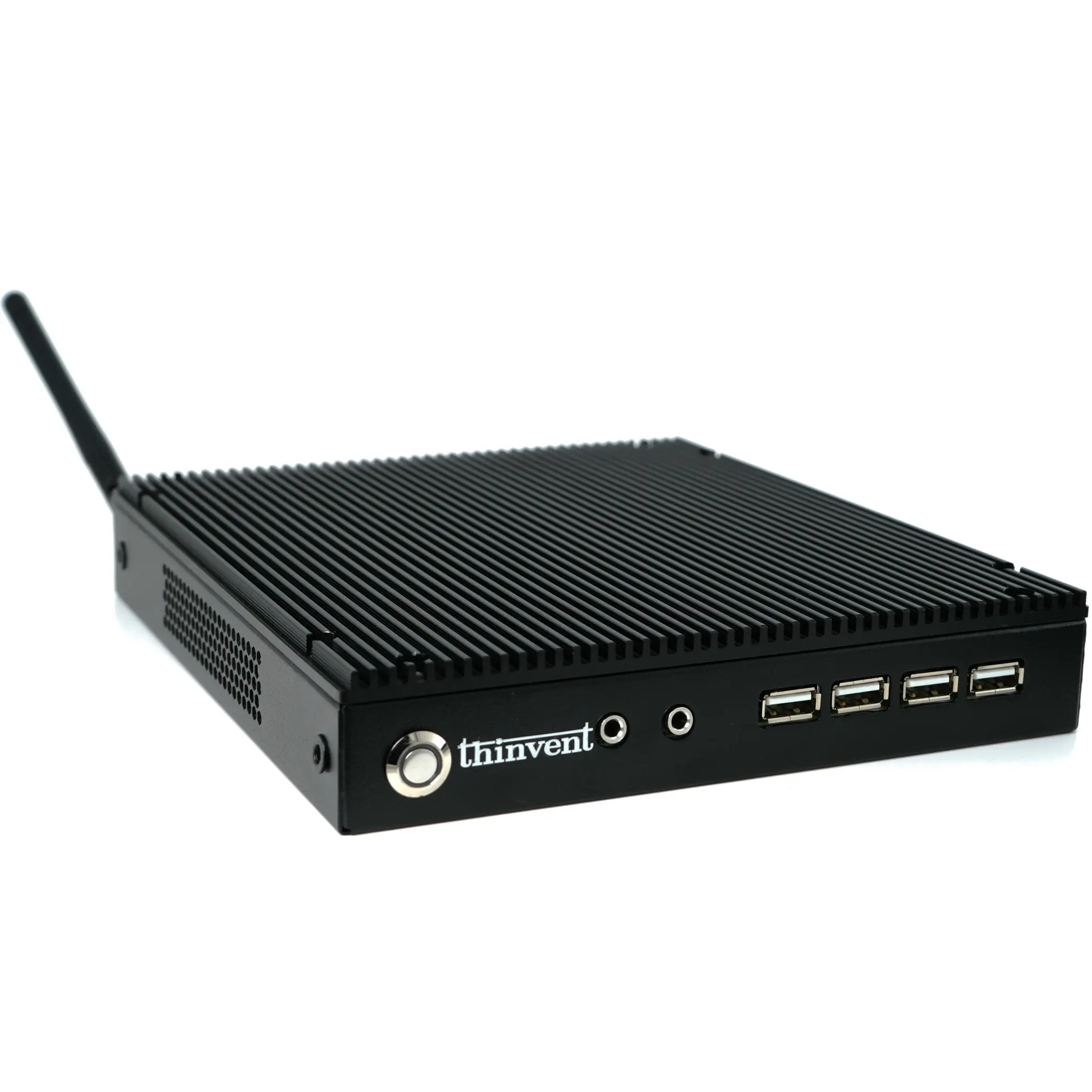
Industrial grade computers are specialized computing systems engineered to operate reliably in harsh environments where standard commercial PCs would fail. They are built with robust components, fanless cooling designs, and durable enclosures to withstand extreme temperatures, dust, moisture, vibration, and continuous 24/7 operation. These systems prioritize long-term stability, low maintenance, and deterministic performance over raw consumer-grade speed, making them the backbone of critical industrial automation and infrastructure.
Key Specifications & Design Features
The core of an industrial computer lies in its ruggedized design and component selection. Key specifications include wide operating temperature ranges (often from -20°C to 70°C), shock and vibration resistance, and protection against dust and liquids (IP ratings). Power supplies are designed for stable operation with fluctuating industrial voltages. Internally, they utilize solid-state storage (eMMC, SSD), soldered or industrial-grade memory, and often feature fanless heatsinks for silent, reliable cooling with no moving parts to fail. Connectivity is tailored for industrial use, with multiple serial ports (COM), LAN, and expansion slots for I/O cards being common.
Primary Applications and Use Cases
These robust systems are deployed across numerous demanding sectors. In manufacturing, they serve as PLCs, HMIs (Human-Machine Interfaces), and machine vision controllers on the factory floor. In transportation, they power in-vehicle infotainment, ticketing systems, and fleet management. They are essential in energy for grid monitoring, in retail for digital signage and kiosks, and in agriculture for automated environmental control. Their reliability makes them ideal for any edge computing application located in unconditioned spaces like warehouses, outdoor enclosures, or mobile vehicles.
Comparing ARM vs. x86 Industrial Platforms
Industrial computers are powered by different processor architectures, each suited to specific workloads. The choice depends on the balance of performance, power efficiency, and software ecosystem required.
| Feature | ARM-Based Systems (e.g., Cortex A53/A55) | x86-Based Systems (e.g., Intel Core, Intel N-Series) |
|---|---|---|
| Core Strength | Excellent power efficiency, low heat, fanless design | High computational power, multi-threading capability |
| Typical Use | Thin clients, digital signage, basic control, IoT gateways | Advanced HMI, data acquisition, machine vision, edge servers |
| Power Draw | Very low (often 5V-12V adapters) | Moderate to high (12V+ adapters) |
| OS/Software | Optimized for embedded Linux (Thinux™) | Compatible with Windows IoT, Linux, and full desktop OS |
| I/O & Expansion | Limited onboard I/O | Greater support for PCIe expansion and high-speed I/O |
Thinvent's Rugged Industrial Computing Solutions
Thinvent offers a comprehensive portfolio of industrial-grade computers designed for resilience and performance. Our range includes compact, ultra-efficient ARM-based systems like the Micro 5 Wifi Thin Client and Micro 6 Pro Mini PC, perfect for lightweight, always-on applications. For more demanding computational tasks, our x86-based lineup delivers robust power. This includes the value-driven Treo Mini PC and IPC1 with Intel N100 processors, the balanced performance of the IPC3 with Intel Core i3, and the high-performance IPC5 and Aero Mini PC featuring Intel Core i5 and i7-level processors. All Thinvent industrial PCs are built with fanless or robust thermal designs, wide-temperature components, and support for various operating systems, providing reliable computing power for the world's most challenging environments.