Industrial Grade Computers: Built for Reliability
Industrial grade computers are specialized computing systems engineered to operate reliably in harsh and demanding environments where standard commercial PCs would fail. Unlike consumer electronics, these rugged computers are designed with durability, longevity, and stability as core principles. They are built to withstand extreme temperatures, dust, moisture, vibration, and continuous 24/7 operation, making them the backbone of critical industrial automation, digital signage, and edge computing applications.
Key Specifications and Design Features
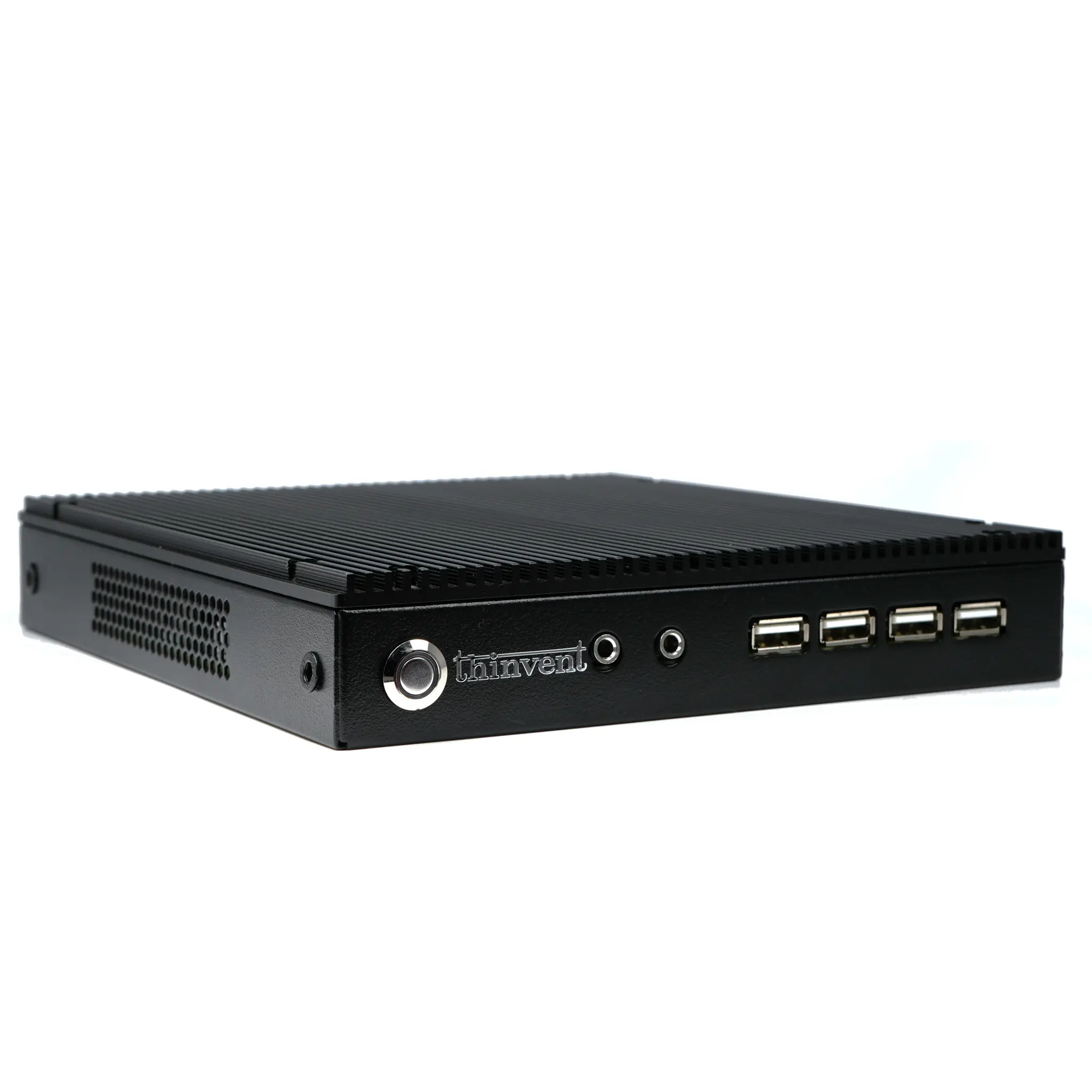
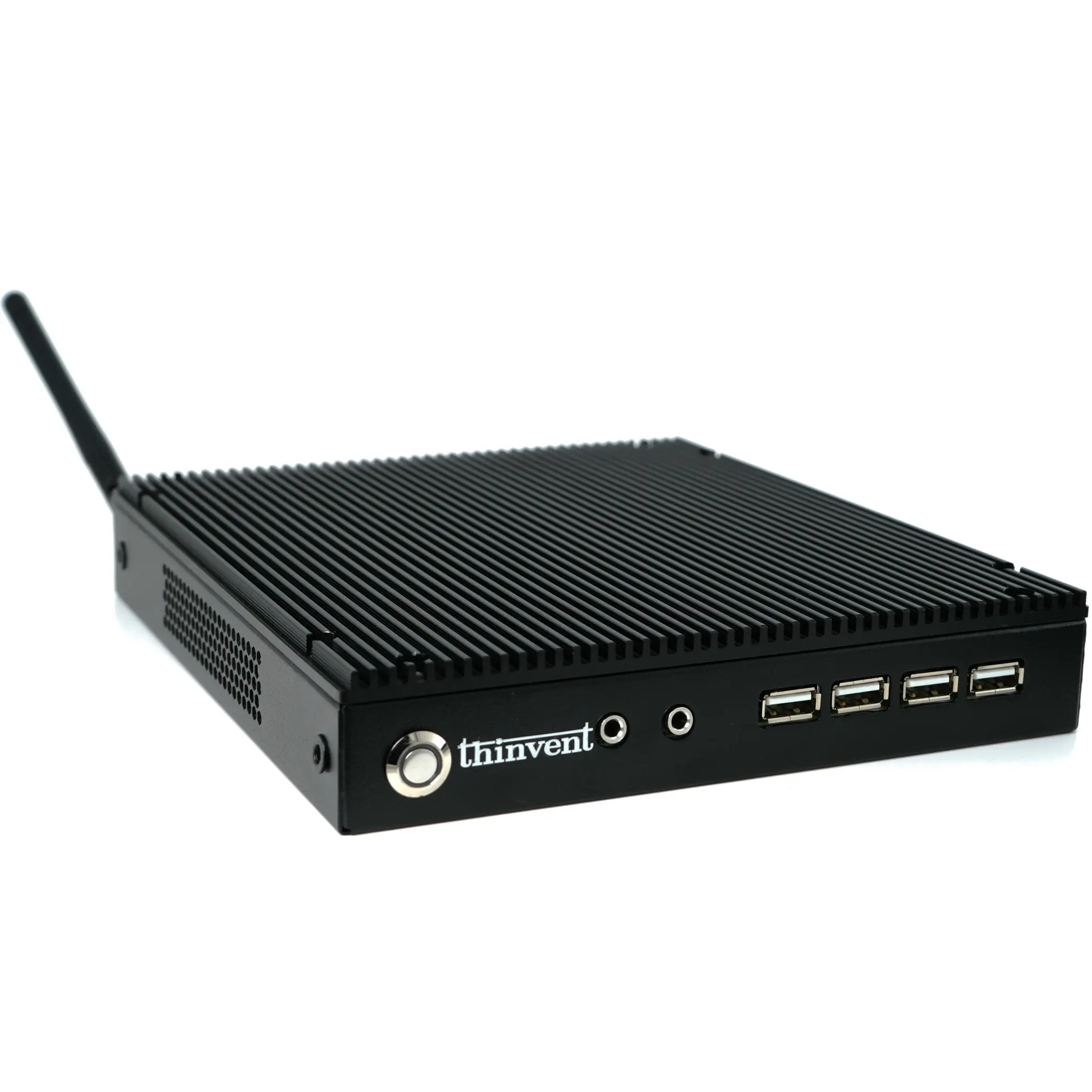
The defining characteristics of industrial computers include fanless cooling systems, wide operating temperature ranges, and robust construction. They utilize solid-state components like eMMC storage and onboard RAM to minimize points of failure from moving parts. Power supplies are designed for stable operation with industrial-grade adapters (e.g., 12V 7A). Connectivity is often simplified and hardened, with multiple display outputs and optional wireless capabilities. Operating systems are typically embedded or IoT versions (like Thinux™ Embedded Linux, Windows IoT, Ubuntu Linux) for enhanced security and minimal maintenance.
Primary Applications and Use Cases
These computers are deployed in scenarios demanding unwavering reliability. Common applications include:
-
Factory Automation & Control: Operating machinery, PLCs, and HMIs on noisy, vibration-prone factory floors.
-
Digital Signage & Kiosks: Powering displays in outdoor locations, transportation hubs, and retail spaces, exposed to temperature swings and dust.
-
Edge Computing & IoT Gateways: Processing data locally in remote or environmentally challenging locations like oil rigs, agricultural fields, or utility substations.
-
Thin Client & VDI Terminals: Providing secure, low-maintenance access to centralized desktops in industrial and enterprise settings.
Comparison of Industrial Computing Platforms
| Feature | ARM-Based Industrial PCs (e.g., Micro Series) | Intel-Based Industrial PCs (e.g., IPC, Aero Series) |
|---|---|---|
| Core Architecture | ARM Cortex (A53, A55) | Intel Core (i3/i5), Intel Processor (N100) |
| Typical Use Case | Lightweight computing, thin clients, embedded displays, kiosks | Heavy-duty automation, data processing, multi-tasking, advanced HMIs |
| Power & Thermal Profile | Very low power, highly efficient, often fanless | Higher performance, managed with robust fanless or active cooling |
| OS Support | Thinux™ Embedded Linux, other Linux distros | Windows IoT/Pro, Ubuntu Linux, Thinux™ |
| Key Advantage | Extreme energy efficiency, compact size, cost-effective for focused tasks | High computational power, x86 software compatibility, versatility |
Thinvent's Rugged Industrial Computing Solutions
Thinvent offers a comprehensive portfolio of industrial-grade computers designed to meet the rigorous demands of global industries. Our range includes compact and ultra-efficient ARM-based systems like the Micro 5 Wifi Thin Client and Micro 6 Pro Mini PC, perfect for lightweight, always-on applications. For more computationally intensive tasks, our Intel-based lineup delivers robust performance. This includes the value-driven Treo Mini PC with Intel N100, the versatile IPC Series (IPC1, IPC3, IPC5) with Intel Core processors for control systems, and the high-performance Aero Mini PC featuring the latest Intel Core CPUs. All Thinvent industrial PCs are built with reliability at their core, featuring fanless designs where applicable, wide-temperature components, and support for industrial operating systems, ensuring seamless integration and long-term operation in the most challenging environments worldwide.