What Are Industrial Computer Processors?
Industrial computer processors are the central processing units (CPUs) designed and selected for use in rugged, reliable computing systems deployed in demanding environments. Unlike consumer-grade CPUs, these processors are often chosen for their balance of performance, power efficiency, thermal characteristics, and long-term availability. They power a wide range of form factors, from compact fanless Mini PCs to robust All-in-One workstations, enabling critical applications in automation, digital signage, edge computing, and more.
Key Specifications and Technical Details
When evaluating an industrial processor, several key specifications determine its suitability for a task. Core count and clock speed define raw computational power, while cache memory (L2/L3) improves data access speeds. Thermal Design Power (TDP) is critical for fanless designs, as lower TDP processors generate less heat. Modern industrial systems utilize processors from Intel's Core (i3/i5), Celeron, and N-series families, as well as ARM-based chips, each offering distinct performance and efficiency profiles. Support for specific instruction sets, integrated graphics capabilities, and hardware-based security features (like Intel vPro) are also important considerations for industrial deployments.
Common Use Cases and Applications
The choice of processor directly impacts the application's success. Low-power, efficient CPUs like the Intel N-series are ideal for always-on digital signage, thin clients, and basic edge gateways. Mid-range processors, such as Intel Core i3 or i5, handle more demanding tasks like machine vision, industrial automation control systems, and interactive kiosks. High-performance cores are reserved for data-intensive edge analytics, complex simulation, and medical imaging workstations. The reliability and consistent performance of these processors under varying temperatures and conditions make them indispensable for 24/7 industrial operations.
Processor Comparison for Industrial Applications
| Processor Series | Typical Cores | Use Case Focus | Key Advantage |
|---|---|---|---|
| Intel N-series (N95, N100) | 4 | Lightweight computing, Digital Signage, Thin Clients | Ultra-low power, fanless operation, cost-effective |
| Intel Celeron (J4125) | 4 | Entry-level industrial PCs, Basic HMIs | Reliable performance, excellent value, low heat output |
| Intel Core i3 (12th/13th Gen) | 4-6 | General Automation, Kiosks, Retail POS | Balanced performance for multitasking, integrated graphics |
| Intel Core i5 (12th/13th Gen) | 6-10 | Machine Vision, Edge Analytics, Advanced HMIs | High performance for complex tasks, support for more I/O |
Thinvent Industrial Computers Featuring Advanced Processors
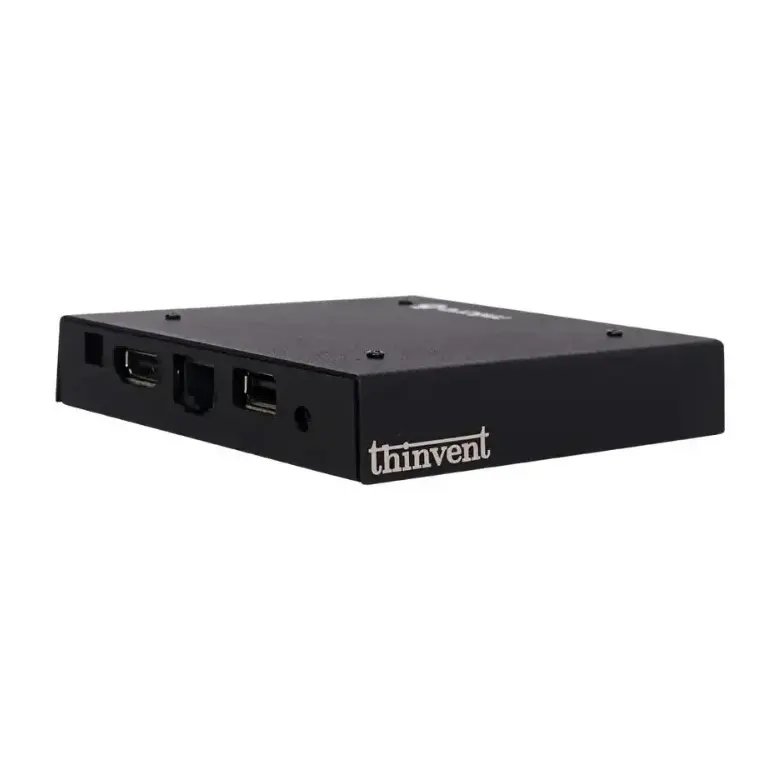
Thinvent integrates a wide spectrum of these industrial-grade processors into its durable computing solutions. Our product lines, including the Aero Mini PC series, utilize efficient Intel N-series processors for compact, fanless designs perfect for space-constrained and harsh environments. For more computationally intensive tasks, our industrial PCs and All-in-One workstations are equipped with powerful Intel Core i3, i5, and i7 processors from the latest generations. This range ensures that whether you need an ultra-efficient node for a sensor network or a powerful workstation for control room analytics, Thinvent has a reliable, performance-optimized system built around the right processor for your industrial challenge.