Choosing the Right CPU for Animation
Animation, whether 2D or 3D, is a computationally intensive task that demands a powerful CPU. The processor is the heart of the animation workflow, handling everything from scene rendering and physics simulations to real-time previews and final compositing. For professional animation, key CPU attributes include high core/thread counts for parallel processing, high clock speeds for single-threaded tasks, and a large cache to quickly access frequently used data. While dedicated GPUs are crucial for viewport performance and final rendering in GPU-accelerated engines, a robust CPU is essential for overall system responsiveness, simulation calculations, and CPU-based rendering.
Key CPU Specifications for Animation
The ideal animation CPU balances multi-core performance with high single-core speed. Modern 3D software like Blender, Maya, and Cinema 4D can leverage many cores for rendering and simulations. For real-time work in the viewport, higher single-core clock speeds improve interactivity. Adequate RAM (16GB minimum, 32GB+ recommended) and fast SSD storage are also critical to support the CPU. Processors with integrated graphics, like Intel's U-series or newer Core Ultra chips, can suffice for 2D animation and basic 3D work, but a discrete GPU is mandatory for complex 3D scenes.
Recommended CPU Tiers for Animation Tasks
The right CPU depends on the complexity of your projects:
-
Entry-Level / 2D Animation: Modern quad-core processors like the Intel N100 or ARM Cortex A55 are suitable for lightweight 2D animation, storyboarding, and simple motion graphics. They offer low power consumption and fanless designs for quiet operation.
-
Mid-Range / Moderate 3D Work: Processors like the Intel Core i3-1215U (6 cores) or i5-1240P (12 cores) provide excellent performance for modeling, texturing, and animating moderate 3D scenes. Their high turbo frequencies (up to 4.4 GHz) ensure a smooth viewport experience.
-
High-End / Professional 3D & Rendering: For complex character animation, simulation-heavy scenes, and faster CPU rendering, high-core-count processors like the Intel Core 5 120U (10 cores, up to 5.0 GHz) are recommended. These chips significantly reduce iteration and final render times.
Thinvent Computers for Animation Workloads
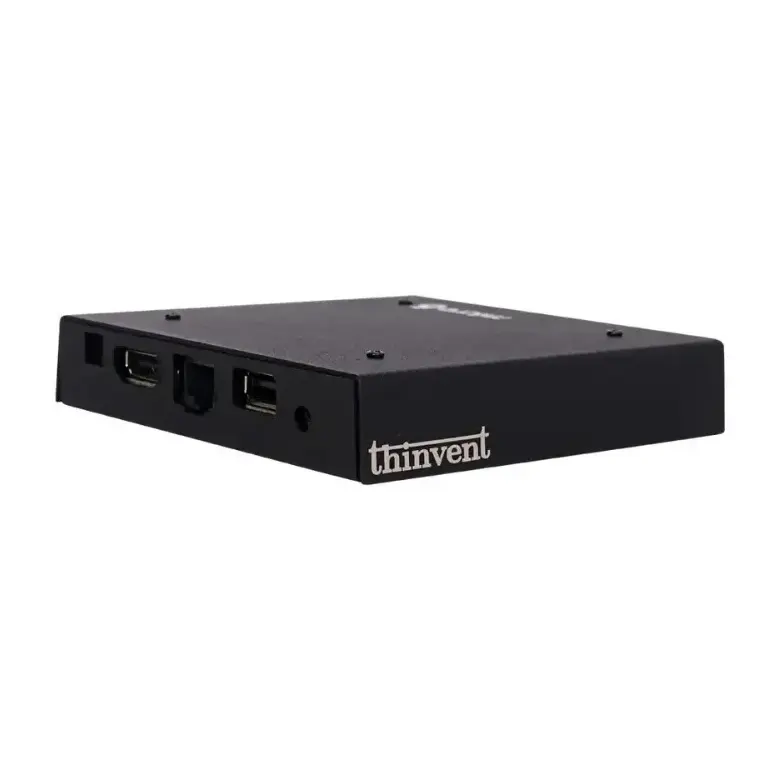
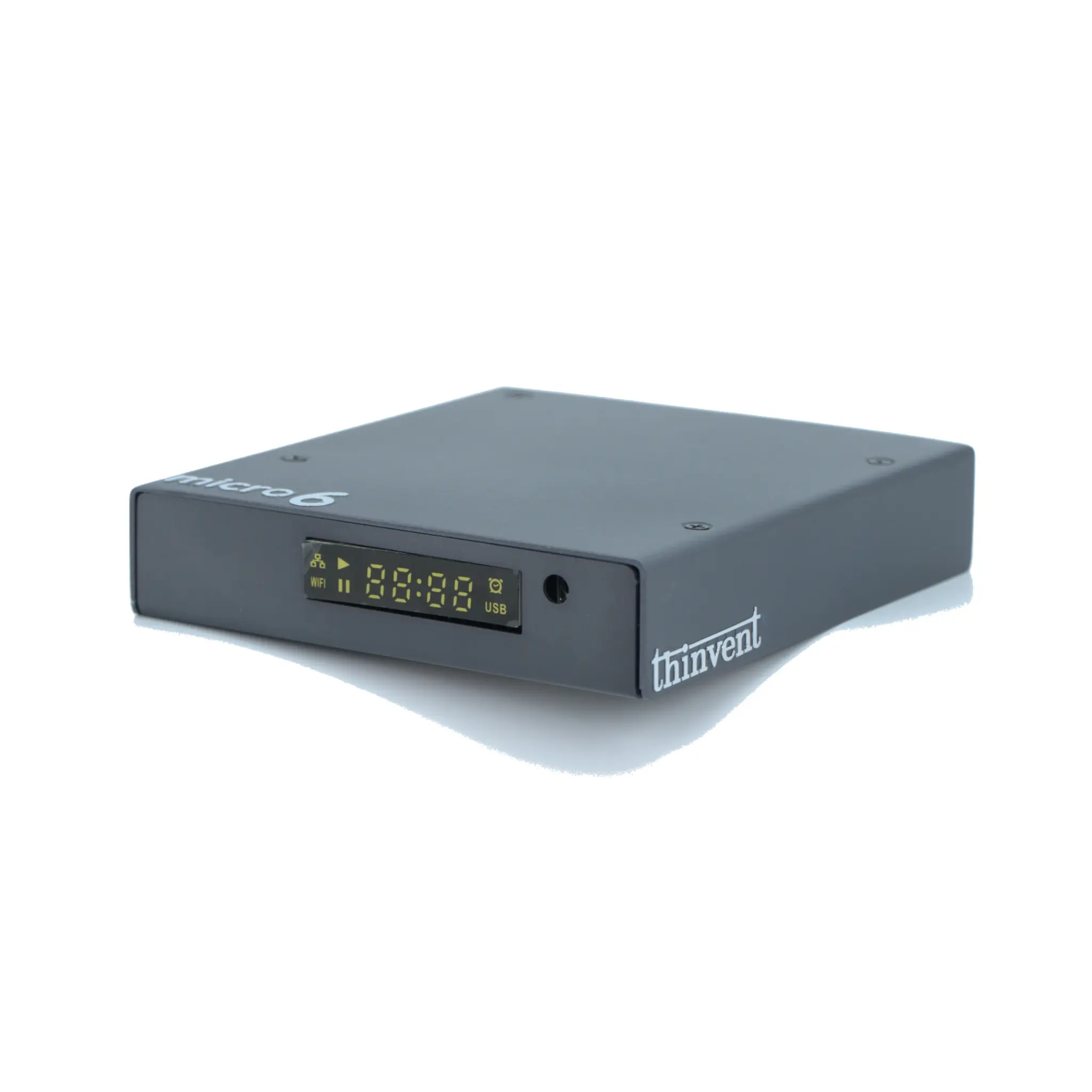
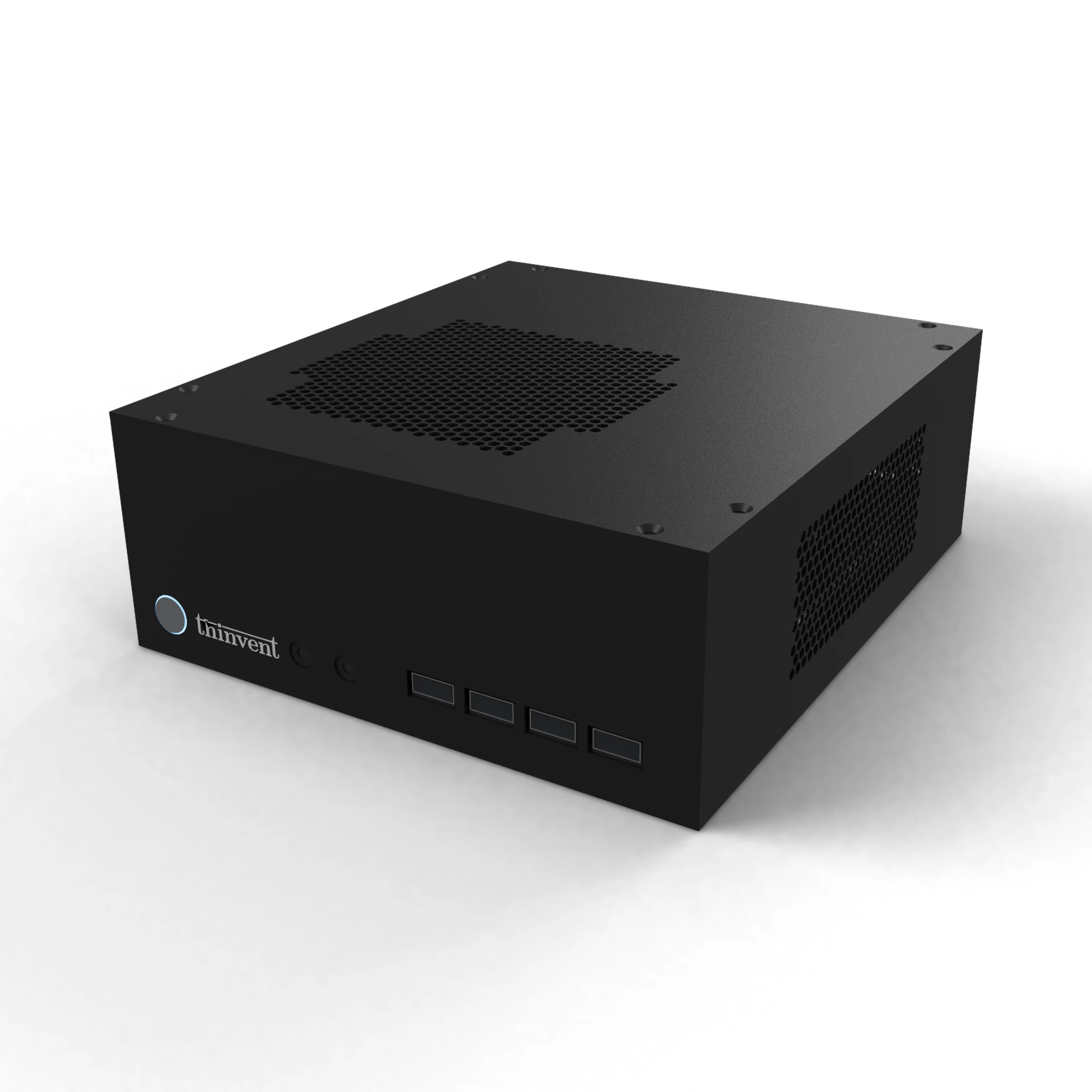
Thinvent offers a range of industrial and mini PCs equipped with processors suitable for various stages of the animation pipeline. Our systems are built for reliability in demanding, long-running render scenarios.
| Thinvent Model | Recommended CPU | Core Count | Max Frequency | Ideal For |
|---|---|---|---|---|
| Treo / IPC1 Mini PC | Intel Processor N100 | 4 Cores | Up to 3.4 GHz | Entry-level 2D animation, digital signage content creation. |
| Aero Mini PC / IPC3 | Intel Core i3-1215U | 6 Cores | Up to 4.4 GHz | Mid-level 3D modeling, texture painting, and animation. |
| IPC5 Industrial PC | Intel Core i5-1240P | 12 Cores | Up to 4.4 GHz | Advanced 3D work, simulations, and efficient CPU rendering. |
| Aero Mini PC | Intel Core 5 120U | 10 Cores | Up to 5.0 GHz | High-performance animation, real-time previews, and professional rendering. |
Thinvent's Animation-Ready Computing Solutions
Thinvent designs compact and robust computing solutions that cater to creative professionals. Our Industrial PC (IPC) series and Aero Mini PCs feature powerful Intel Core processors, ample DDR4 RAM, and fast SSD storage, providing the sustained performance needed for animation software. These systems are engineered for stability, often featuring fanless or advanced cooling designs to ensure quiet operation during long rendering sessions. For studios or individuals requiring a balance of performance, space efficiency, and industrial-grade durability, Thinvent PCs present a compelling solution for integrating into a modern digital content creation workflow.