What Are Industrial PC Processors?
Industrial PC processors are the central computing units designed for demanding, continuous operation in harsh or mission-critical environments. Unlike standard consumer CPUs, these processors are selected and integrated into systems with a focus on long-term reliability, thermal efficiency, extended temperature ranges, and stable performance. They power a wide range of industrial computing solutions, from fanless thin clients to ruggedized all-in-one workstations, ensuring consistent operation in factories, digital signage, kiosks, and automation systems.
Key Specifications and Architecture
Industrial PCs utilize a variety of processor architectures, each suited to different performance and power profiles. Common options include:
-
ARM-based Processors (e.g., Cortex A53/A55): Known for exceptional power efficiency and low heat generation, making them ideal for fanless, always-on thin clients and edge devices. They typically feature multiple cores (e.g., 4 cores) with clock speeds up to 2.0 GHz and integrated memory/storage.
-
Intel® Processor N-series (e.g., N100): A balance of efficient performance and low power draw. These x86 processors offer higher single-thread performance and compatibility with a broad range of software, suitable for more demanding industrial applications and mini PCs.
-
Intel® Core™ Processors (e.g., i3, i5, i7): Deliver high performance for compute-intensive tasks. Features like higher core counts (6-12 cores), turbo frequencies up to 5.0 GHz, and larger cache sizes (10-12 MB) enable robust performance for industrial automation, machine vision, and control systems.
Applications and Use Cases
The choice of processor directly dictates the application suitability of an industrial PC:
-
ARM-based Systems: Perfect for digital signage, thin client computing, simple HMIs, and IoT gateways where ultra-low power and silent operation are paramount.
-
Intel N-series & Core i3: Ideal for kiosks, interactive displays, light industrial automation, and POS systems that require a balance of performance, efficiency, and x86 software compatibility.
-
Intel Core i5/i7 & Higher: Engineered for heavy-duty applications such as factory floor control, data acquisition, edge analytics, and complex visualization tasks that demand maximum processing power and reliability.
Processor Comparison for Industrial PCs
| Feature | ARM-based (e.g., Cortex A55) | Intel® Processor N-series (e.g., N100) | Intel® Core™ Series (e.g., i5-1250P) |
|---|---|---|---|
| Primary Strength | Ultra-low power, fanless design | Efficient performance, software compatibility | High performance for demanding tasks |
| Typical Core/Thread Count | 4 Cores | 4 Cores / 4 Threads | 12+ Cores / 16+ Threads |
| Max Frequency | Up to ~2.0 GHz | Up to ~3.4 GHz | Up to ~5.0 GHz (Turbo) |
| Cache | ~1 MB | ~6 MB | 12 MB+ |
| Ideal Use Case | Thin Clients, Digital Signage | Mini PCs, Light Industrial Control | Automation, Machine Vision, Data Processing |
| Power Profile | Very Low (5V adapters) | Low to Moderate | Moderate to High |
Thinvent's Industrial PCs with Reliable Processors
Thinvent offers a comprehensive portfolio of industrial computing solutions powered by these reliable processors. Our product range ensures there is an optimal hardware platform for every industrial need:
-
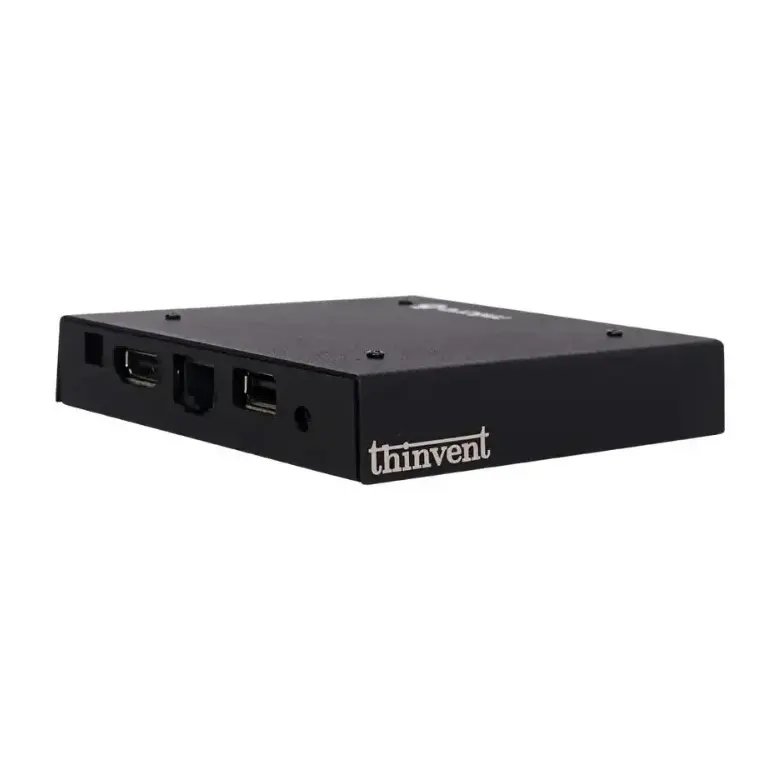
Thinvent Micro Series: Featuring power-efficient ARM Cortex processors (A53/A55), these devices are the ultimate choice for fanless, silent thin client and lightweight edge computing deployments.
-
Thinvent Treo & IPC1 Series: Powered by the efficient Intel Processor N100, these mini PCs and compact industrial PCs provide a perfect blend of x86 compatibility and low-power operation for a wide array of applications.
-
Thinvent Aero & IPC3/IPC5 Series: Equipped with high-performance Intel Core i3, i5, and newer generation processors, these systems deliver the computational muscle required for the most demanding industrial environments, from factory automation to sophisticated edge servers. Each system is built with industrial-grade components for durability and long-term reliability in continuous operation.