What Are Fanless Mini PCs?
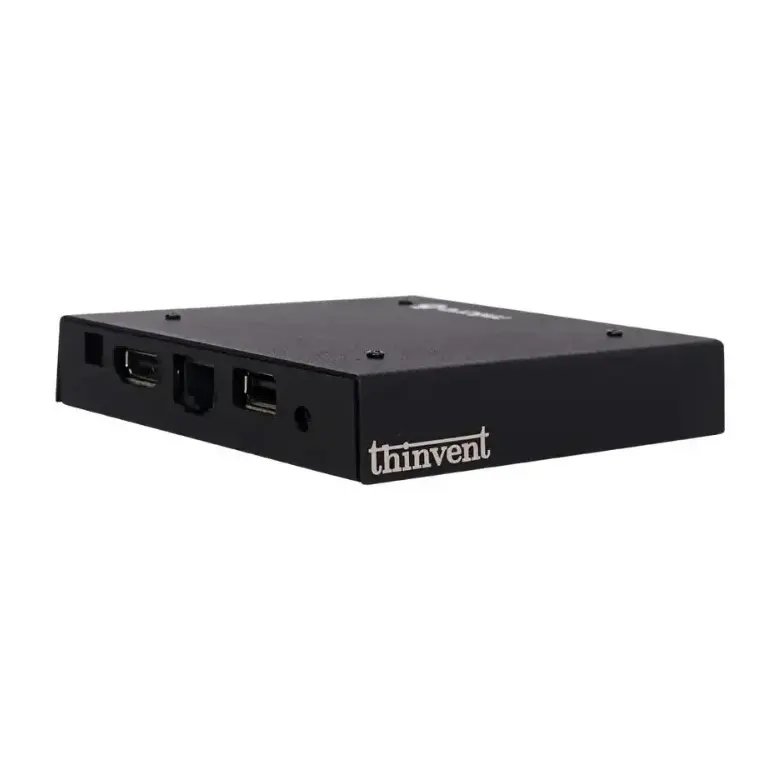
Fanless mini PCs are compact computing devices engineered to operate without internal cooling fans. They rely on passive cooling systems, such as advanced heat sinks and chassis designs, to dissipate heat. This fundamental design eliminates moving parts, which is the cornerstone of their reliability. By removing the fan—a common point of failure in traditional computers—these systems achieve superior durability, silent operation, and immunity to dust and particulate ingress. They are purpose-built for environments where maintenance is difficult, noise is a concern, or conditions are harsh.
Key Specifications and Technical Advantages
The core appeal of fanless mini PCs lies in their robust specifications tailored for continuous operation. Key technical features include:
-
Rugged, Fanless Design: Operates in wide temperature ranges and is resistant to dust, vibration, and shock.
-
Efficient Processors: Utilize low-power, high-efficiency CPUs from ARM (like Cortex A53/A55) and Intel (including Core i-series, N-series, and newer Core Ultra platforms). These chips deliver the necessary performance while minimizing heat output.
-
Solid-State Storage: Employ eMMC or SSD storage with no moving parts, enhancing data integrity and shock resistance.
-
Flexible I/O: Offer a range of ports (HDMI, USB, serial COM) for connecting industrial peripherals, displays, and sensors.
-
Long-Term Reliability: Designed for 24/7 operation with stable power delivery (e.g., 5V/12V DC input), ensuring uptime in critical applications.
Primary Use Cases and Applications
The reliability and durability of fanless mini PCs make them ideal for embedded and industrial computing scenarios:
-
Digital Signage & Kiosks: Silent operation and reliability for public displays in retail, transportation, and hospitality.
-
Industrial Automation: Controlling machinery and HMIs on factory floors where dust, debris, and constant vibration are present.
-
Thin Client & VDI: Deploying as endpoints for virtual desktop infrastructure in offices, schools, and call centers.
-
Edge Computing & IoT Gateways: Processing data locally in smart cities, agriculture, and energy management systems, often in non-climate-controlled enclosures.
-
Medical and Laboratory Equipment: Where silent operation and clean, fanless airflows are critical.
Comparison of Common Fanless Mini PC Platforms
| Feature | ARM-Based Mini PCs | Intel x86-Based Mini PCs |
|---|---|---|
| Core Architecture | ARM (e.g., Cortex A55) | x86 (e.g., Intel Core, Intel Processor N-series) |
| Typical Power Draw | Very Low (5V adapters common) | Low to Moderate (12V adapters common) |
| Performance Profile | Excellent for lightweight OS, web apps, and dedicated thin client tasks. | Broader performance range, suitable for full desktop OS (Windows/Linux) and more demanding applications. |
| Thermal Design | Extremely low heat output, enabling ultra-compact form factors. | Requires more sophisticated passive cooling for higher TDP chips. |
| Primary Use Case | Embedded Linux environments, dedicated thin clients, simple kiosks. | General-purpose industrial computing, automation, digital signage, edge servers. |
| Software Compatibility | Optimized for Linux/Android. | Compatible with full spectrum of x86 software (Windows, Linux). |
Thinvent's Range of Fanless Industrial Computing Solutions
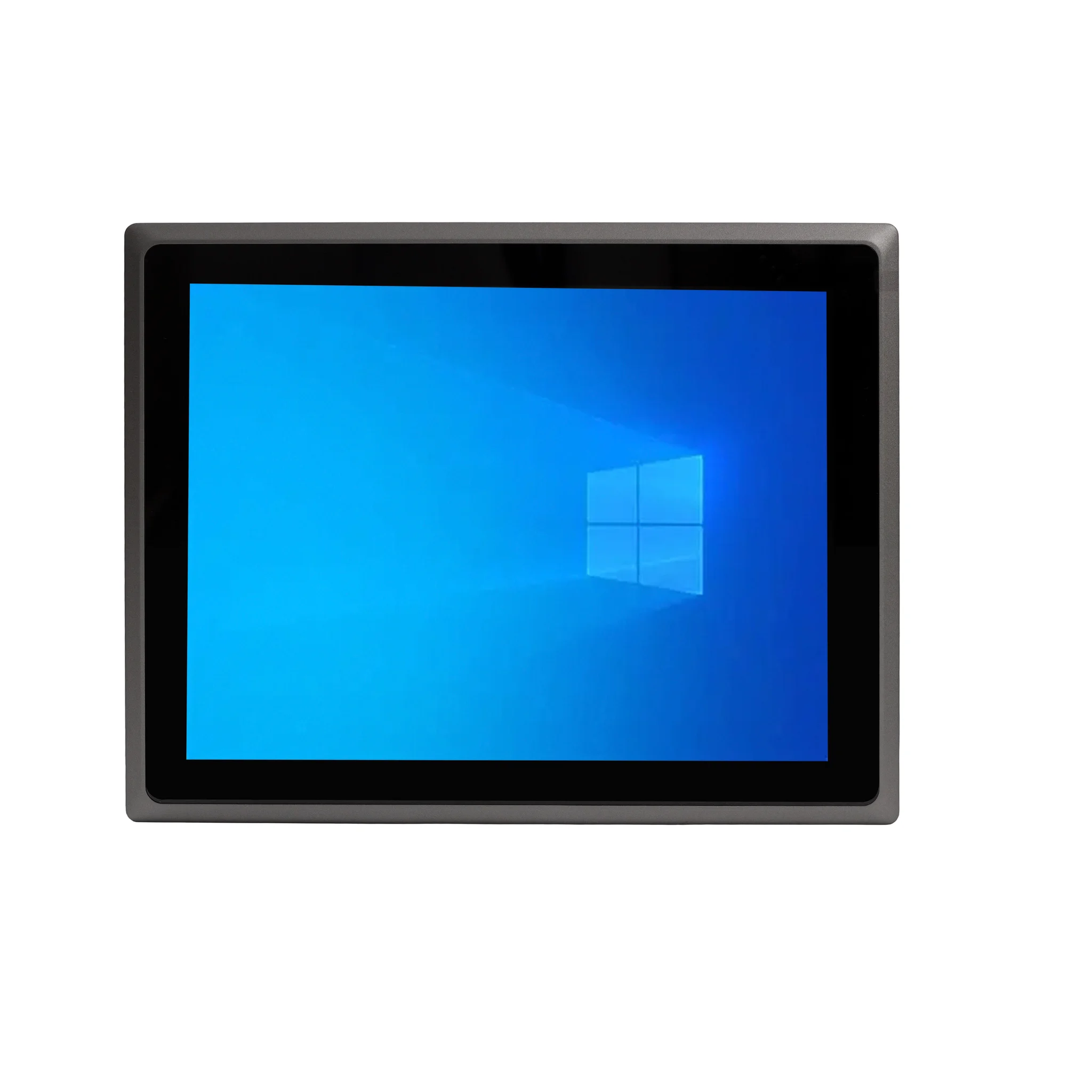
Thinvent offers a comprehensive portfolio of fanless mini PCs and industrial computers designed for reliability across the performance spectrum. Our Micro Series (like the Micro 5 Wifi and Micro 6 Pro) feature ultra-efficient ARM processors, perfect for low-power thin client and embedded IoT roles. For more demanding computational tasks, our Treo Mini PC and Industrial PC (IPC) series are powered by Intel processors like the efficient N100 or powerful Core i3/i5 CPUs, providing robust performance for automation, digital signage, and edge computing. The high-performance Aero Mini PC line, featuring latest-generation Intel Core processors, delivers desktop-level power in a completely silent, fanless chassis for intensive applications. All Thinvent systems are built for 24/7 operation and come with a choice of operating systems, including Thinux™ Embedded Linux, Ubuntu, and Windows, ensuring a perfect fit for your specific industrial computing needs.