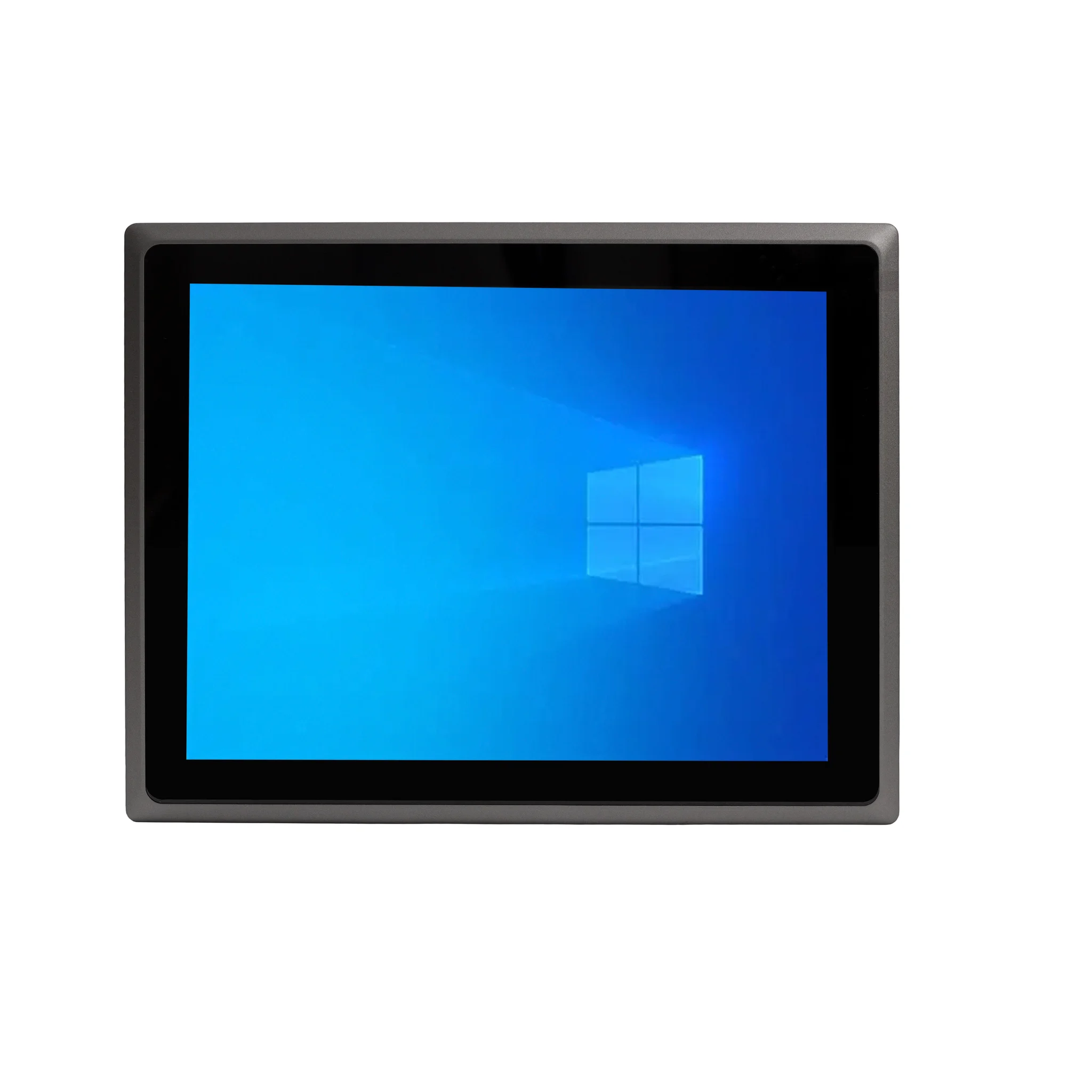
Fanless Mini PCs: The Core of Reliable Industrial Computing
Fanless Mini PCs are compact, solid-state computing systems designed for environments where reliability, silence, and durability are paramount. By eliminating moving parts like fans, these systems achieve superior dust and particulate resistance, operate silently, and offer significantly higher mean time between failures (MTBF). They are engineered with passive cooling solutions, such as advanced heat sinks and chassis designs that dissipate heat efficiently, making them ideal for 24/7 operation in harsh conditions.
Key Specifications and Technical Advantages
The core advantage of fanless design is its robustness. These PCs typically feature low-power, high-efficiency processors from ARM or Intel architectures. Key specifications include:
-
Rugged Construction: Sealed, all-metal chassis that resist dust, vibration, and wide temperature ranges.
-
Efficient Processors: Ranging from ARM Cortex-A series for lightweight tasks to Intel Core i3/i5 and N-series for more demanding applications.
-
Reliable Storage: Utilizes eMMC or solid-state drives (SSDs) with no moving parts.
-
Versatile Connectivity: Multiple I/O ports including HDMI, USB, COM, and often dual-band WiFi for flexible deployment.
-
Low Power Consumption: Operates on low-voltage DC adapters (e.g., 5V/12V), reducing energy costs and heat generation.
Primary Use Cases and Applications
Fanless Mini PCs are indispensable across numerous industrial and commercial sectors due to their reliability.
-
Industrial Automation: As PLCs, HMIs, or gateways on the factory floor.
-
Digital Signage & Kiosks: Powering displays in retail, hospitality, and public transport.
-
Thin Client & VDI: Secure, low-maintenance endpoints for centralized computing.
-
Edge Computing & IoT: Data acquisition and processing at the network edge in smart cities and agriculture.
-
Medical & Laboratory Equipment: Where silent operation and cleanliness are critical.
Comparing ARM vs. Intel Fanless Architectures
| Feature | ARM-Based Mini PCs (e.g., Cortex A55) | Intel-Based Mini PCs (e.g., Core i3, N100) |
|---|---|---|
| Core Strength | Extreme power efficiency, minimal heat | Higher computational performance, x86 compatibility |
| Typical Use | Thin clients, basic kiosks, lightweight IoT gateways | Industrial PCs, advanced digital signage, edge servers |
| Power Draw | Very Low (e.g., 5V/2A) | Low to Moderate (e.g., 12V/5A-7A) |
| OS Ecosystem | Linux-based (Thinux™, Ubuntu) | Full Windows/Linux support |
| Ideal For | Cost-sensitive, always-on, lightweight applications | Performance-sensitive applications requiring PC software |
Thinvent's Range of Fanless Industrial Computing Solutions
Thinvent offers a comprehensive portfolio of fanless computing solutions engineered for reliability. Our Micro Series (like Micro 5 & 6 Pro) leverage ARM processors for ultra-efficient, silent thin client and kiosk duties. For more demanding industrial tasks, our IPC Series and Aero Mini PCs feature powerful Intel Core and Intel Processor N-series chips, providing robust performance in a fanless format. The Treo Mini PC series offers an excellent balance with the efficient Intel N100. Every Thinvent fanless PC is built with industrial-grade components, supports wide operating temperatures, and comes with a choice of operating systems (Thinux™, Ubuntu, Windows IoT/Pro) to match your exact application needs, ensuring dependable operation in the most challenging environments worldwide.