Understanding Small Form Factor (SFF) Motherboard Sizes
A Small Form Factor (SFF) motherboard is designed for compact computer systems, prioritizing space efficiency without a significant compromise on core functionality. The term "SFF" is a broad category that encompasses several standardized sizes, each with specific dimensions and mounting hole placements. For users of systems like the Dell OptiPlex SFF, understanding these dimensions is crucial for upgrades, repairs, or building custom compact solutions. The most common SFF motherboard form factors are Mini-ITX, Micro-ATX (in its smaller variants), and proprietary designs from OEMs like Dell.
Key SFF Form Factor Dimensions
The dimensions of a motherboard dictate the size of the case it can fit into and the number of expansion slots it supports. Below is a guide to the most relevant SFF standards:
| Form Factor | Dimensions (Width x Depth) | Typical Use Case |
|---|---|---|
| Mini-ITX | 170 mm x 170 mm (6.7 in x 6.7 in) | Ultra-compact builds, home theater PCs, fanless systems. |
| Thin Mini-ITX | 170 mm x 170 mm | Similar to Mini-ITX but with a lower profile and different I/O layout for slim cases. |
| Micro-ATX (mATX) | 244 mm x 244 mm (9.6 in x 9.6 in) | The largest common SFF standard, offering more expansion slots. |
| Proprietary (e.g., Dell OptiPlex SFF) | Varies by model (~9.5 in x 9.5 in is common) | Designed for specific OEM chassis; not interchangeable with retail standards. |
Important Note: Motherboards in branded SFF systems like the Dell OptiPlex are often proprietary. Their dimensions and mounting holes may not align with standard ATX or Mini-ITX cases. Always verify the exact model number and consult the technical guide before attempting a replacement or transplant.
Applications and Considerations for SFF Systems
SFF motherboards are ideal for environments where space is at a premium. Common applications include digital signage, point-of-sale (POS) kiosks, embedded industrial controls, and compact office workstations. When selecting an SFF board, consider not just size but also thermal design power (TDP) support, available I/O ports (USB, HDMI, Ethernet), and expansion capabilities (M.2 slots, SATA ports). Passive cooling (fanless designs) is a significant advantage in SFF builds for silent operation and reliability in dusty environments.
Thinvent's Compact Computing Solutions
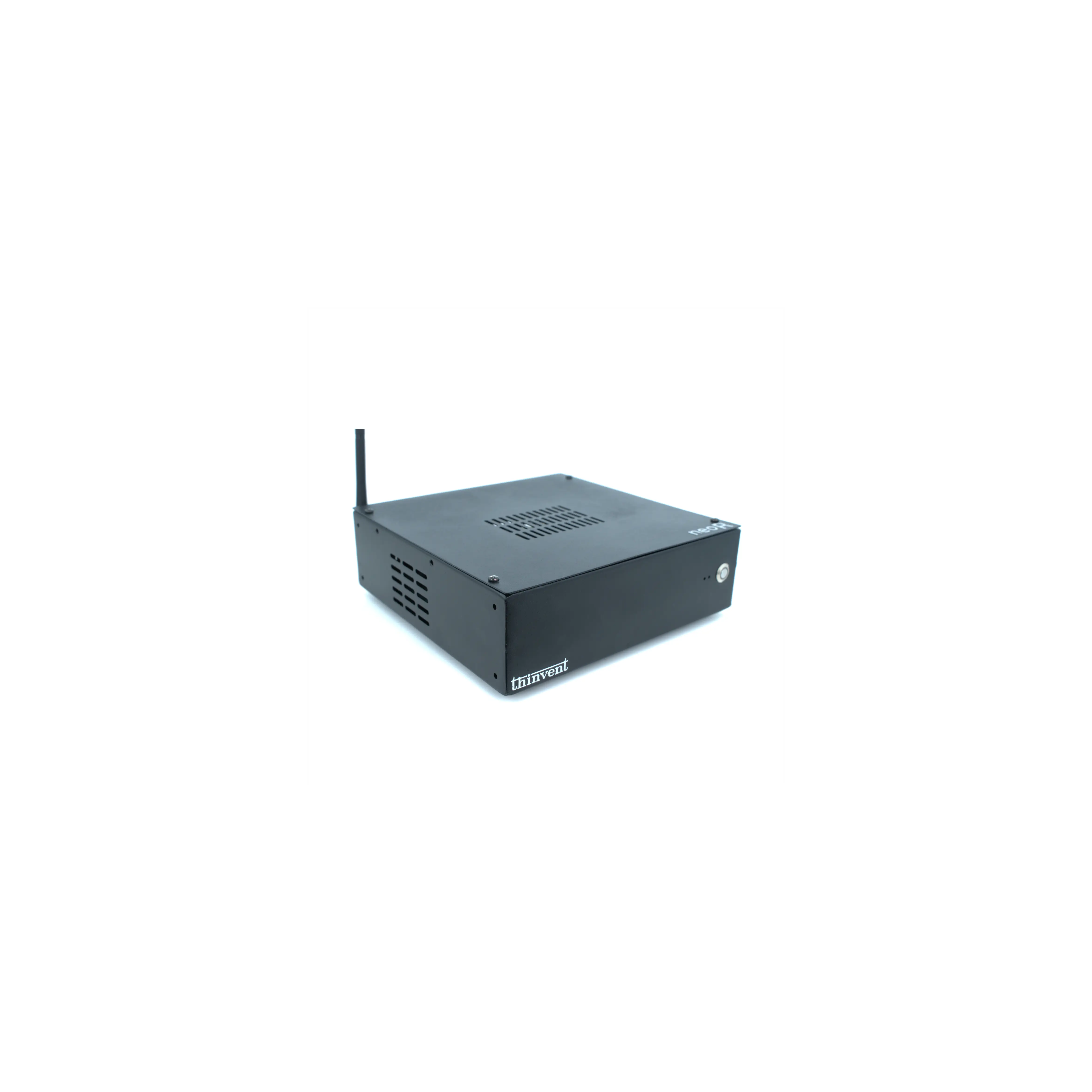
While Thinvent specializes in complete, ready-to-deploy systems, our product philosophy aligns with the core principles of SFF design: maximizing performance and reliability in a minimal footprint. Our range of industrial and commercial computers utilizes compact, efficient motherboard designs tailored for specific use cases.
Thinvent Mini PCs & Industrial PCs: Our product lines, such as the Treo, Aero, and IPC series, are built on highly integrated platforms. For instance, the Thinvent Treo Mini PC features an Intel N100 processor on an ultra-compact board, perfect for space-constrained digital signage. The Thinvent Industrial PC IPC5, with a powerful Intel Core i5-1250P, demonstrates that SFF does not mean low power, offering workstation-grade performance for automation and edge computing in a rugged, small-form chassis.
For businesses seeking reliable, pre-configured SFF solutions without the hassle of component compatibility, Thinvent provides a range of fanless and actively cooled systems designed for 24/7 operation across various industries.