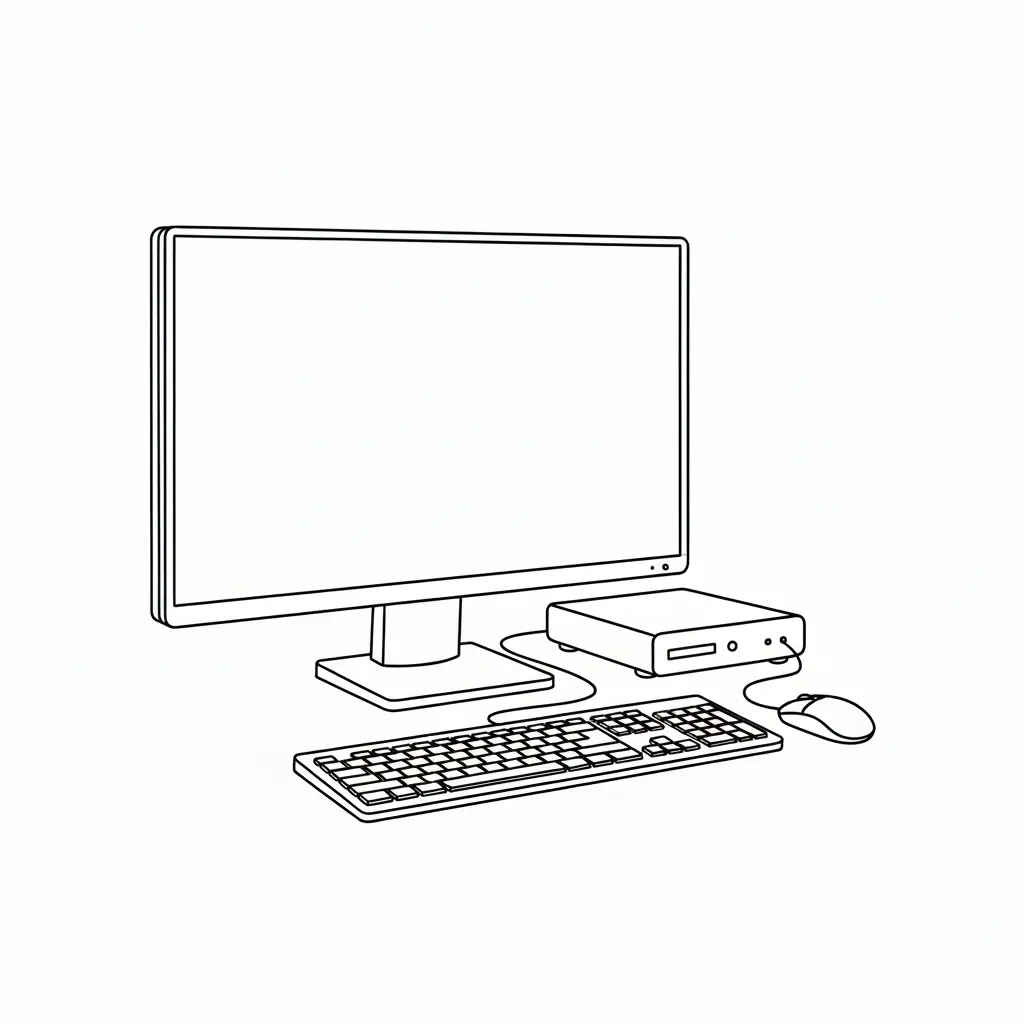
The Dell Wyse 5070 is a thin client built on an Intel Pentium processor, with up to 8 GB of RAM and ThinOS as its operating system. The closest Thinvent match is the Thinvent Neo S Thin Client, which uses an Intel Celeron J1900 processor with 4 cores and up to 2.4 GHz, and runs Windows 11 Pro. The Neo S is also a thin client, so the two products serve the same form factor and the same kind of desktop deployment.
Dell Wyse 5070 vs Thinvent Neo S Thin Client
| Dell Wyse 5070 | Thinvent Neo S Thin Client | |
|---|---|---|
| Processor | Intel Pentium | Intel Celeron J1900 |
| Cores/Threads | 4 cores | 4 cores, up to 2.4 GHz |
| RAM | Up to 8 GB | 4 GB |
| Storage | 1x M.2 + 1x SATA | 128 GB SSD |
| Form Factor | Thin Client | Thin Client |
| Operating System | ThinOS (also ThinLinux, Windows 10 IoT Enterprise) | Windows 11 Pro (also Windows 11 IoT, Ubuntu Linux, Thinux Embedded Linux, DOS, or no OS) |
| Cooling | Not confirmed | Fanless passive cooling |
| Video Output | Not confirmed | HDMI 1, VGA 1 |
| Serial/Parallel Ports | Not confirmed | 2 DB9 RS232 serial, 1 DB25 parallel |
Key differences
-
The Neo S has a fanless passive cooling design, and it includes a VGA output and serial and parallel ports for legacy peripherals.
-
The Neo S has a 2.4 GHz maximum processor frequency and 2 MB of cache, as stated in its SKU details.
-
The Dell Wyse 5070 supports up to 8 GB of RAM. The Neo S has 4 GB of RAM in this configuration.
-
The Dell Wyse 5070 has an M.2 slot and a SATA slot for storage. The Neo S has a 128 GB SSD.
-
The Dell Wyse 5070 runs ThinOS. The Neo S lets the buyer choose from Windows 11 Pro, Windows 11 IoT, Ubuntu Linux, Thinux Embedded Linux, DOS, or no operating system.
Which one should you choose?
Choose the Dell Wyse 5070 if your deployment is built around ThinOS and you need up to 8 GB of RAM. Choose the Thinvent Neo S if you need a fanless thin client with serial and parallel ports, or if you want to choose your own operating system.