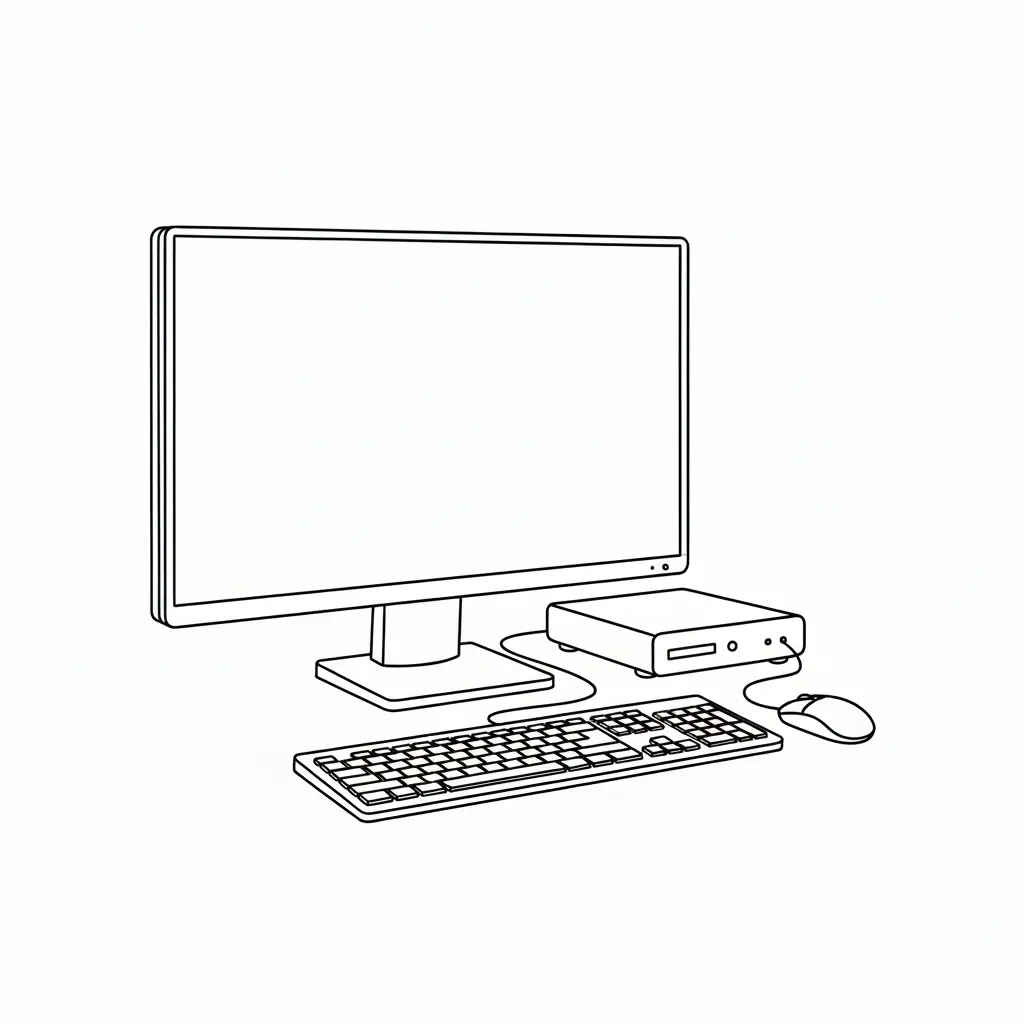
The Dell Wyse 3030 LT is an entry-level x86 thin client built around the Intel Celeron N2807 dual-core processor, with 2GB DDR3L RAM and 4GB flash storage in a compact chassis. For firewall and network appliance projects that need a fanless, low-power x86 platform, the closest Thinvent alternative is the Thinvent Neo S Thin Client with Intel Celeron J1900 quad-core processor, which offers 4 GB of RAM and 128 GB SSD storage.
Dell Wyse 3030 LT vs Thinvent Neo S Thin Client
| Specification | Dell Wyse 3030 LT | Thinvent Neo S Thin Client, Intel Celeron J1900 |
|---|---|---|
| Processor | Intel Celeron N2807 | Intel Celeron J1900 |
| Cores/Threads | 2 cores | 4 cores |
| Max Frequency | 1.58 GHz | Up to 2.4 GHz |
| RAM | 2 GB DDR3L | 4 GB DDR3 |
| Storage | 4 GB flash eMMC | 128 GB SSD |
| Form Factor | Compact thin client | Thin client |
| Wireless | Not stated | No WiFi |
| Operating System | Not stated | DOS |
Key differences
-
Thinvent offers more processing power, with four cores against two and a maximum frequency of up to 2.4 GHz, compared with 1.58 GHz on the Dell Wyse 3030 LT.
-
Thinvent provides 128 GB of SSD storage, where the Dell Wyse 3030 LT offers 4 GB of flash eMMC.
-
Thinvent offers 4 GB of DDR3 RAM, double the 2 GB DDR3L RAM on the Dell Wyse 3030 LT.
-
The Dell Wyse 3030 LT is a smaller, entry-level device with a very low power draw, which suits minimal deployments.
Which one should you choose?
Choose the Dell Wyse 3030 LT if you need a compact, low-power x86 thin client with the original Dell Wyse platform. Choose the Thinvent Neo S Thin Client if your pfSense firewall deployment needs more cores, more memory and larger SSD storage in a thin client-class device.