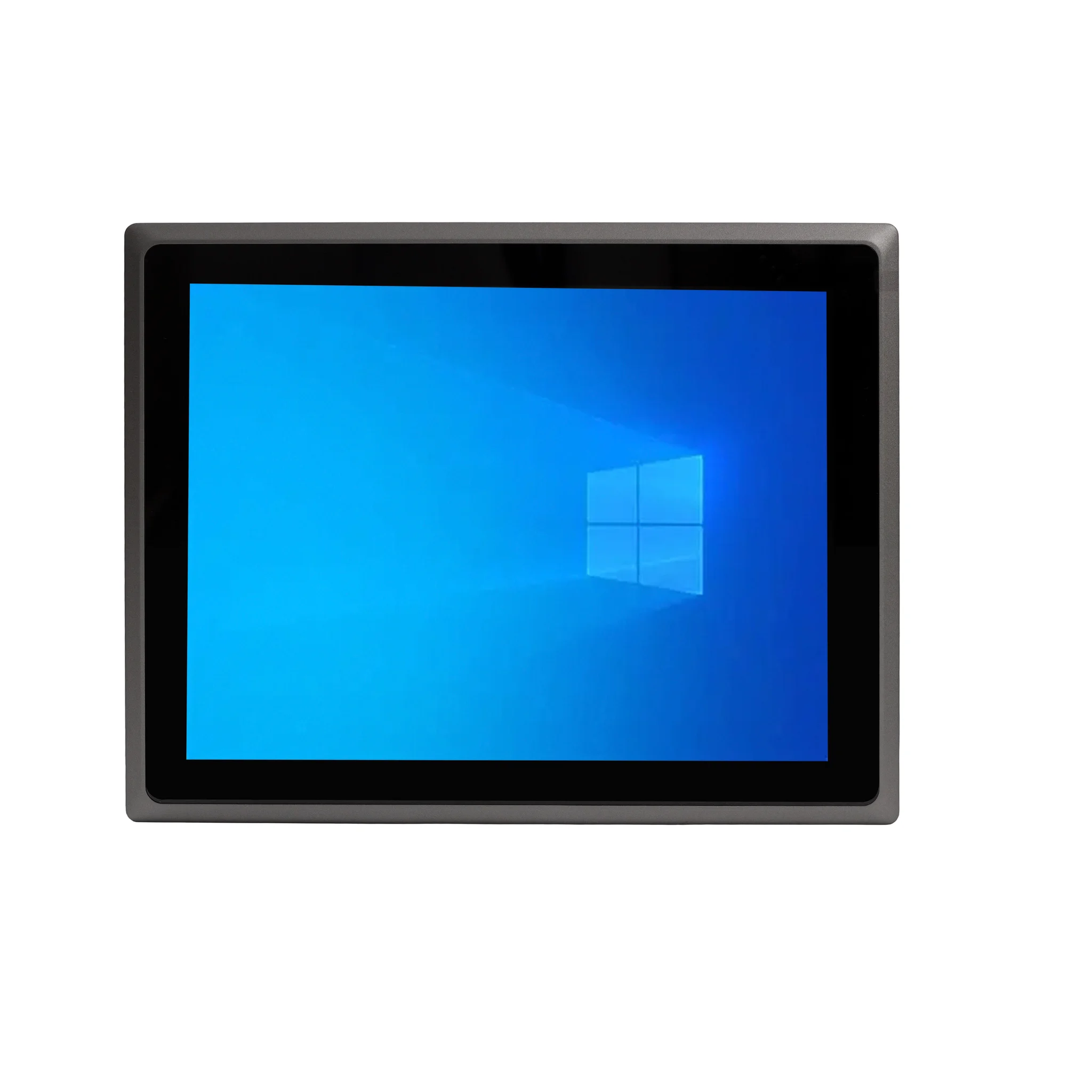
Dell Wyse ThinOS is a secure, purpose-built operating system for thin clients used with virtual desktops, and it runs on Dell's Wyse 3040 and other Wyse hardware. The closest Thinvent alternative is the Thinvent® Treo Mini PC, which offers Intel Core and AMD Ryzen processors with RAM options of up to 64 GB and SSD storage of up to 2 TB.
Dell Wyse ThinOS vs Thinvent Treo Mini PC
| Dell Wyse 3040 Thin Client | Thinvent® Treo Mini PC, Intel® Core™ i3-1215U | Thinvent® Treo Mini PC, AMD Ryzen™ 5 7430U | |
|---|---|---|---|
| Processor | Intel Atom x5-Z8350 (1.44 GHz) | Intel® Core™ i3-1215U | AMD Ryzen™ 5 7430U |
| Cores/Threads | Quad-Core | 6 cores | 6 cores |
| RAM | 2 GB DDR3L | 4 GB to 64 GB DDR4 | 4 GB to 64 GB |
| Storage | 8 GB eMMC Flash | 128 GB to 2 TB SSD | 128 GB to 2 TB SSD |
| Form Factor | Thin client | Mini PC | Mini PC |
| Operating System | ThinOS | DOS | DOS |
| Wireless | Wi-Fi 5 (802.11ac), Bluetooth 4.2 | Wi-Fi 5 (802.11ac), dual band, or No WiFi | Wi-Fi 5 (802.11ac), dual band, or No WiFi |
Key differences
-
Higher memory ceiling: The Thinvent Treo Mini PC supports up to 64 GB of RAM, compared with 2 GB on the Dell Wyse 3040.
-
Larger storage: Thinvent Treo Mini PCs offer SSD storage from 128 GB to 2 TB, compared with 8 GB eMMC on the Dell Wyse 3040.
-
Higher-performance processors: Thinvent Treo models use Intel Core and AMD Ryzen processors with 6 cores, compared with the quad-core Intel Atom on the Dell Wyse 3040.
-
Trade-off: ThinOS is purpose-built for virtual desktop connections with certifications from Citrix, Microsoft and VMware, and is designed to be virus and malware resistant. The Thinvent Treo Mini PC runs DOS, so visitors who need a ThinOS environment should consider this when choosing.
Which one should you choose?
Choose Dell Wyse ThinOS hardware if your priority is a dedicated, locked-down virtual desktop endpoint running Citrix, Microsoft or VMware sessions. Choose the Thinvent Treo Mini PC if you need more memory, larger storage and a higher-performance processor for general business or multi-application workloads.