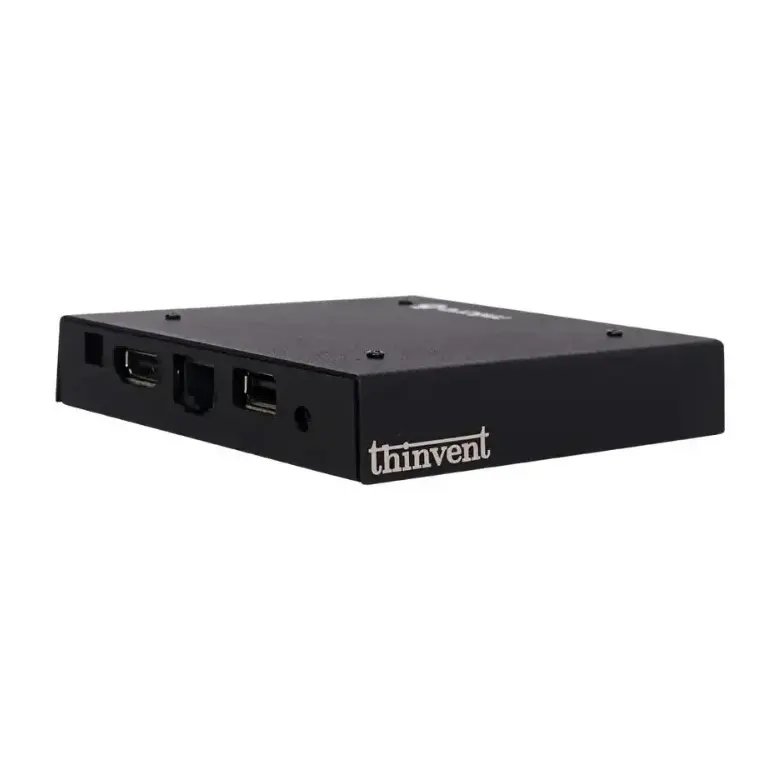
Modern Virtual Desktop Infrastructure (VDI) thin clients and mini PCs are specialized computing devices designed to connect users to a centralized virtual desktop environment. Unlike traditional PCs, they are optimized for network connectivity, security, and manageability, running a lightweight operating system to access applications and data hosted on servers. This architecture centralizes IT management, enhances data security, and reduces total cost of ownership by simplifying deployment and maintenance.
Key Specifications and Technical Details
Modern VDI endpoints come in two primary architectures: ARM-based and x86-based (Intel). ARM-based devices, like those featuring Cortex A53 or A55 processors, are known for exceptional power efficiency, fanless operation, and low heat output. They typically use onboard RAM (2GB-4GB) and eMMC storage (16GB-64GB). x86-based devices, powered by Intel processors like the N100, Core i3, or Core i5, offer higher performance for more demanding workloads, with configurations featuring DDR4 RAM (4GB-16GB), SSD storage (128GB-512GB), and higher clock speeds up to 5.0 GHz. Common features across both types include multiple display outputs (HDMI), support for various operating systems (Thinux™ Embedded Linux, Ubuntu, Windows IoT/Pro), and flexible power input (5V-12V).
Use Cases and Applications
These devices are ideal for creating secure, scalable, and cost-effective digital workspaces.
-
Corporate Task Workers & Call Centers: Provide secure access to CRM, ERP, and communication tools with centralized control.
-
Healthcare & Education: Deploy in clinics, hospitals, or classrooms for accessing electronic health records or educational software, ensuring data privacy and easy management.
-
Industrial & Retail Environments: Use fanless, ruggedized mini PCs on factory floors or as point-of-sale (POS) terminals, where reliability in harsh conditions is key.
-
Remote & Branch Offices: Enable employees to securely access corporate desktops from anywhere, simplifying IT support for distributed teams.
Comparison: ARM vs. x86 VDI Endpoints
| Feature | ARM-Based Thin Clients (e.g., Cortex A55) | x86-Based Mini PCs (e.g., Intel N100 / Core i5) |
|---|---|---|
| Primary Strength | Maximum energy efficiency, fanless, cool operation | Higher compute performance, broader software compatibility |
| Typical Use Case | Lightweight web/cloud apps, terminal services, basic virtual desktops | More complex virtual desktops, multimedia, legacy Windows applications |
| Power Consumption | Very Low (e.g., 5V/2A adapter) | Low to Moderate (e.g., 12V/5A-7A adapter) |
| Management | Excellent with lightweight OS (Thinux™, Ubuntu) | Excellent with standard OS (Windows, Linux) |
Thinvent's Modern VDI Solutions
Thinvent offers a comprehensive portfolio of modern thin clients and mini PCs designed for diverse VDI requirements. Our Micro Series (Micro 5, Micro 6 Pro) delivers ultra-efficient, fanless ARM-based computing perfect for space-constrained and always-on environments. For performance-intensive applications, our Treo Mini PC and Industrial PC (IPC) series feature powerful Intel processors like the N100, i3-1215U, and i5-1240P, providing the horsepower needed for demanding business software and multimedia. The Aero Mini PC series combines robust Intel Core performance with professional features for advanced workstation-level VDI. All Thinvent devices are built for reliability, support major hypervisors and cloud VDI platforms, and come with flexible OS options to streamline your virtual desktop deployment globally.