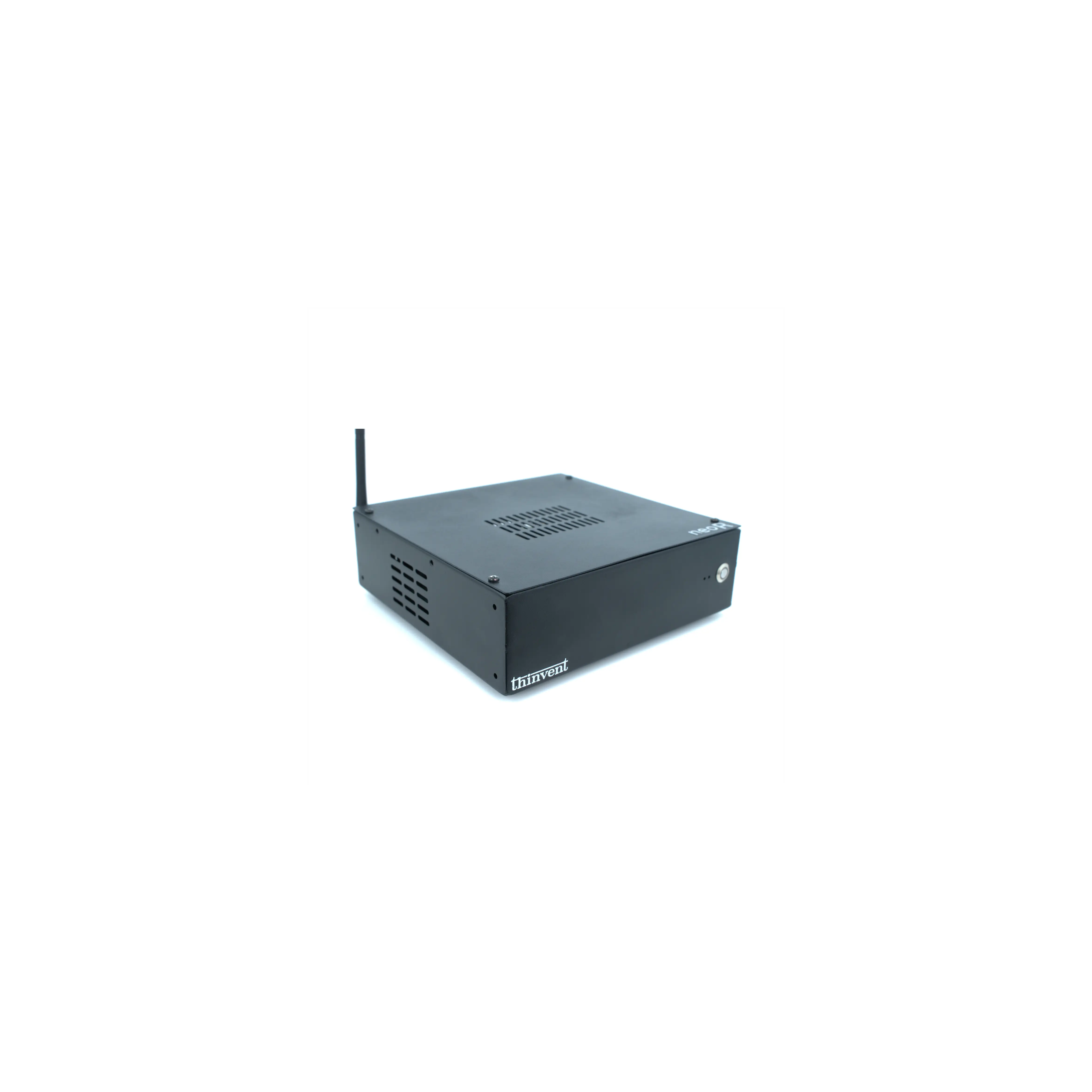
What Are Compact Desktop Computers?
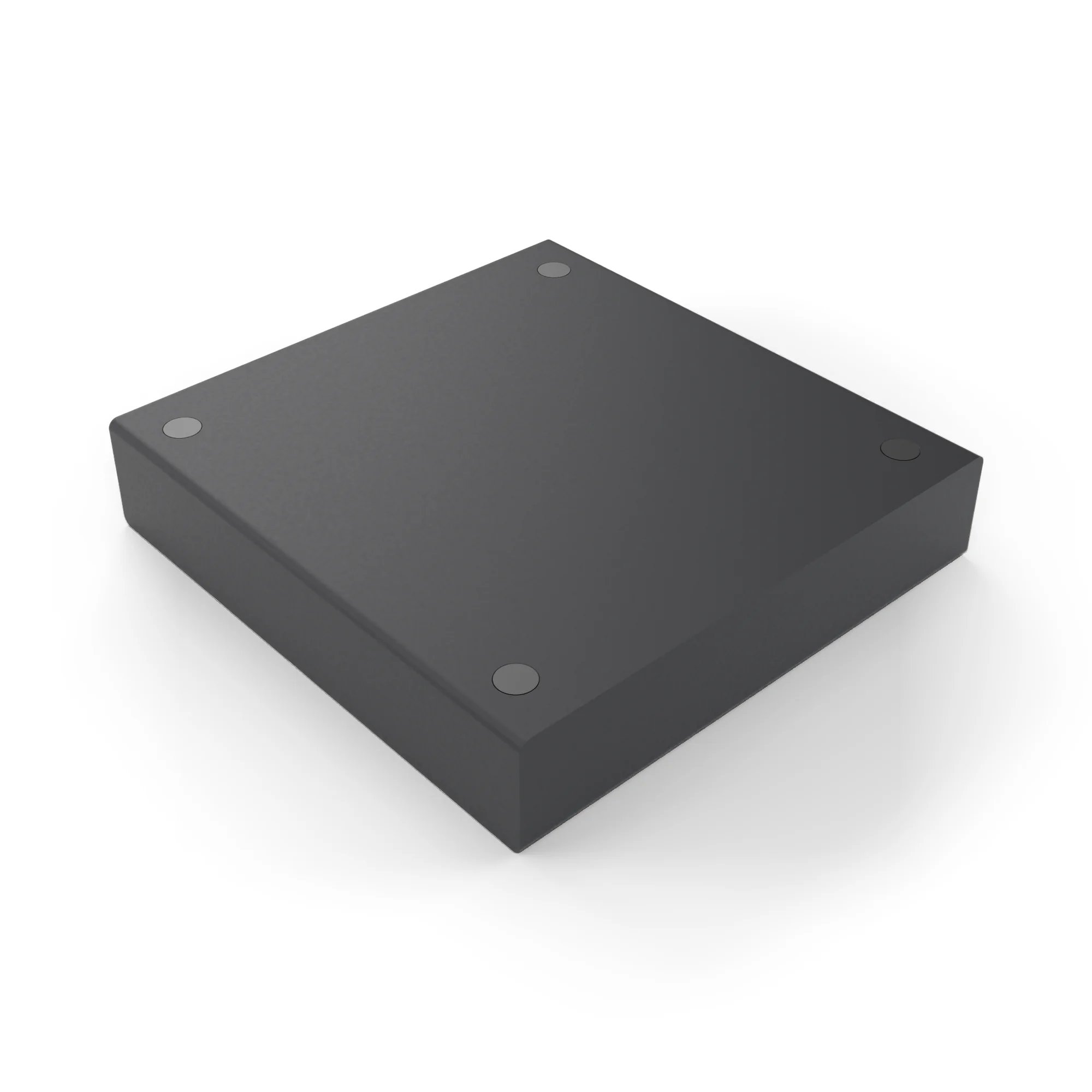
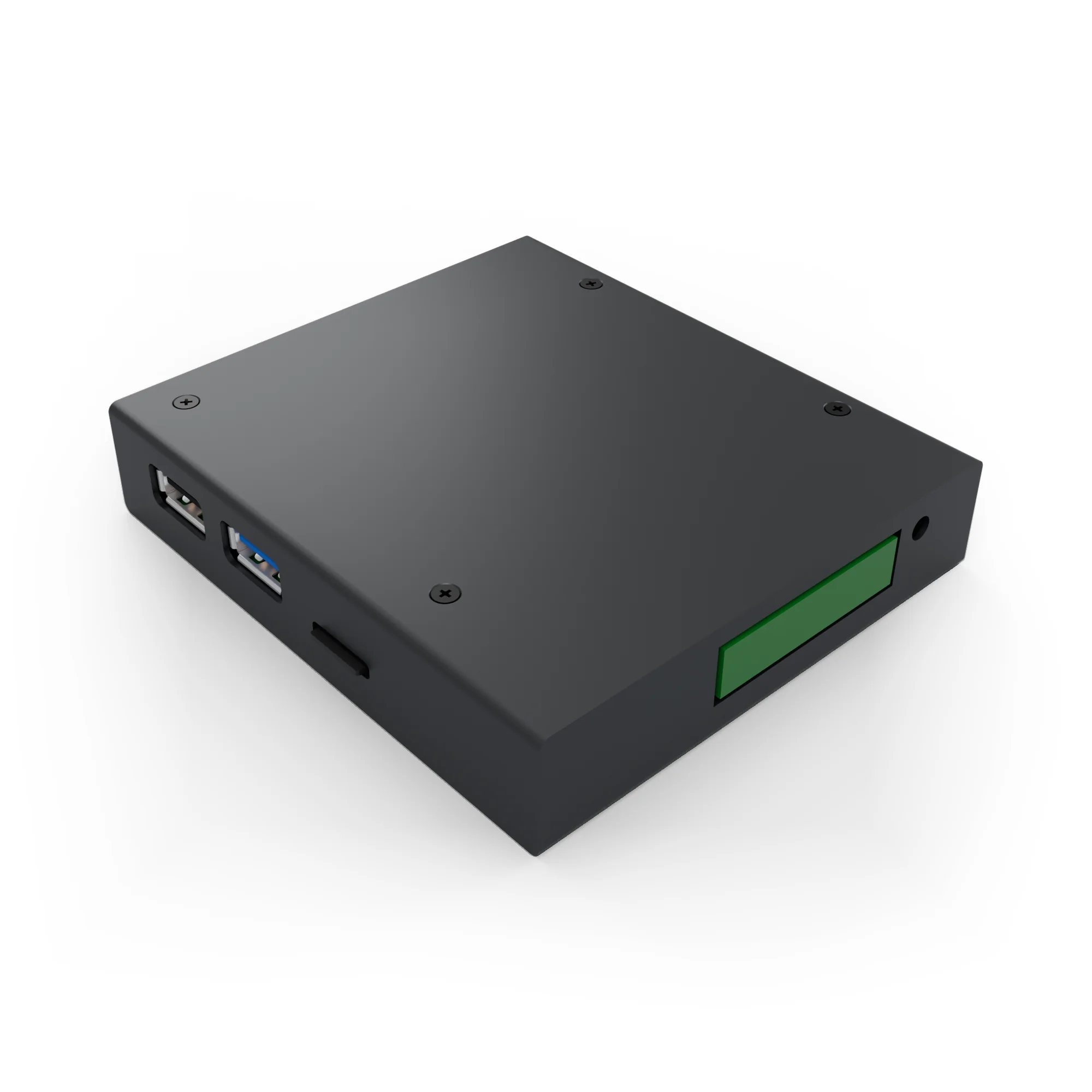
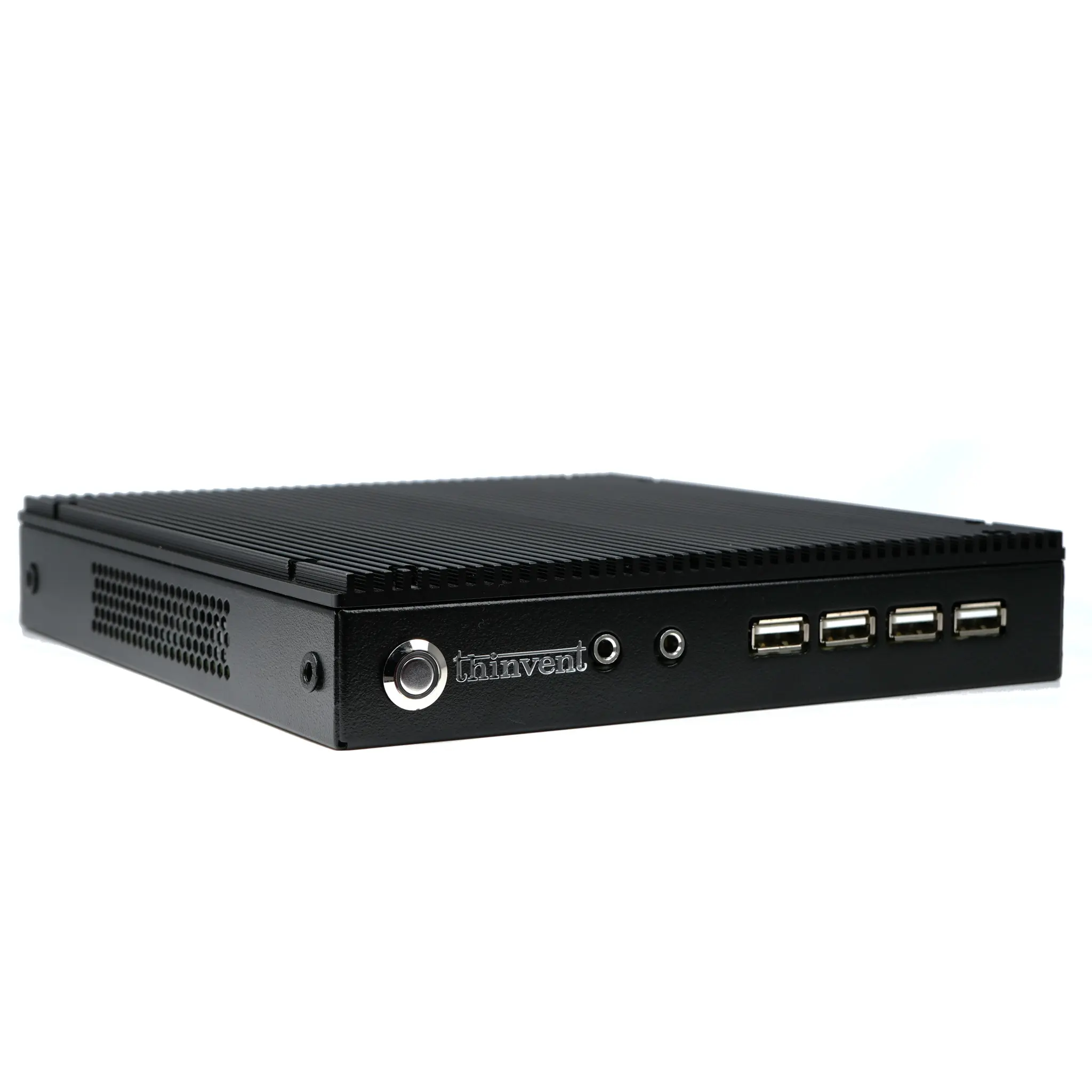
Compact desktop computers, also known as mini PCs or small form factor (SFF) PCs, are complete computing systems designed to deliver full desktop functionality in a significantly reduced physical footprint. These systems integrate the processor, memory, storage, and connectivity into a single, space-efficient unit, often without the bulk of a traditional tower. They are engineered for reliability, low power consumption, and quiet, often fanless operation, making them ideal for environments where space, noise, and heat are critical considerations.
Key Specifications and Technical Advantages
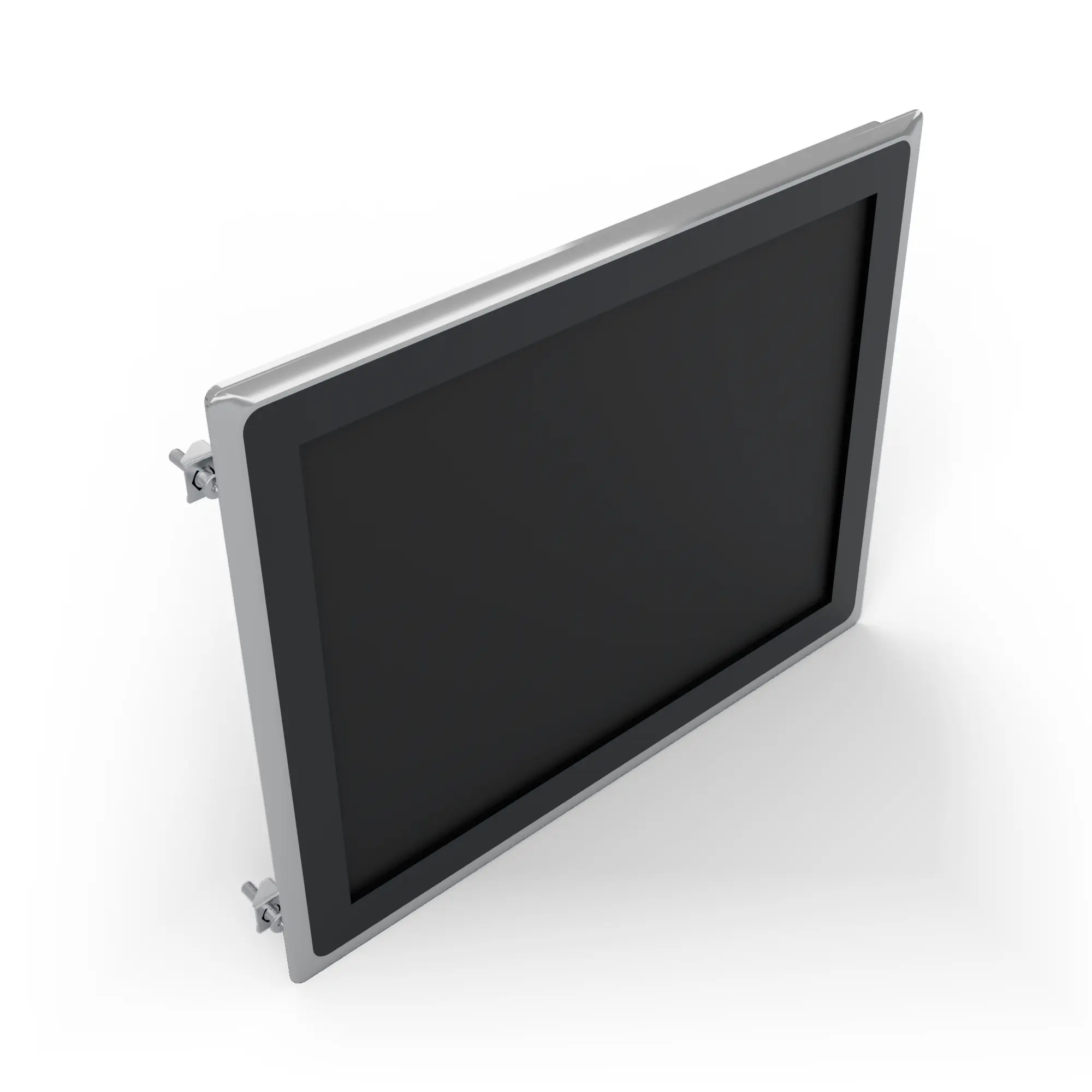
Modern compact desktops leverage efficient processor architectures from both ARM and Intel to balance performance with energy use. ARM-based systems, like those using Cortex-A series processors, offer exceptional power efficiency, silent fanless cooling, and are typically paired with onboard eMMC storage. Intel-based systems, ranging from efficient N-series processors to powerful Core i-series CPUs, provide higher computational performance for more demanding applications. Common specifications across these platforms include DDR4 RAM, SSD storage for fast boot times, multiple display outputs like HDMI, and flexible power input (e.g., 5V-12V). Their compact design often includes VESA mount compatibility for easy installation behind monitors or under desks.
Use Cases and Applications
These versatile computers are deployed across numerous business and industrial scenarios. In corporate settings, they serve as space-saving workstations, digital signage players, and thin clients for virtual desktop infrastructure (VDI). In industrial environments, their rugged, often fanless builds make them perfect for factory automation, machine control, kiosks, and IoT gateways, where they can withstand dust, vibrations, and wide temperature ranges. Retail points-of-sale, healthcare information terminals, and educational computer labs also benefit from their compact, secure, and manageable designs.
Comparison of Compact Desktop Types
| Feature | ARM-Based Thin Clients / Mini PCs | Intel Entry-Level Mini PCs | Intel Performance Mini PCs |
|---|---|---|---|
| Typical Processor | ARM Cortex A53/A55 | Intel Processor N100 | Intel Core i3/i5 (U/P-series) |
| Core Use Case | Lightweight computing, thin client, digital signage | General office productivity, basic computing | Demanding business apps, multi-tasking, light CAD |
| Power Consumption | Very Low (5V adapters) | Low | Moderate to High |
| Cooling | Fanless, silent | Often fanless or low-noise fan | Active fan cooling |
| Ideal For | Energy efficiency, silent operation, cost-sensitive deployments | Balanced performance for everyday tasks | High-performance needs in a compact form |
Thinvent's Range of Compact Desktop Solutions
Thinvent offers a comprehensive portfolio of compact desktop computers tailored for business and industry. Our lineup includes the ultra-efficient Micro Series of ARM-based thin clients and mini PCs, perfect for lightweight and silent operations. For robust general-purpose computing, the Treo and IPC Series feature Intel N100 and Core processors, offering a great balance of power and efficiency. For high-performance requirements in a compact chassis, the Aero Mini PC and Industrial PC IPC5 are equipped with Intel Core i5 and i7-level processors, capable of handling intensive applications. All Thinvent systems are built for reliability, come with flexible operating system options including Thinux™ Embedded Linux, Ubuntu, and Windows, and are designed for seamless integration into professional environments worldwide.