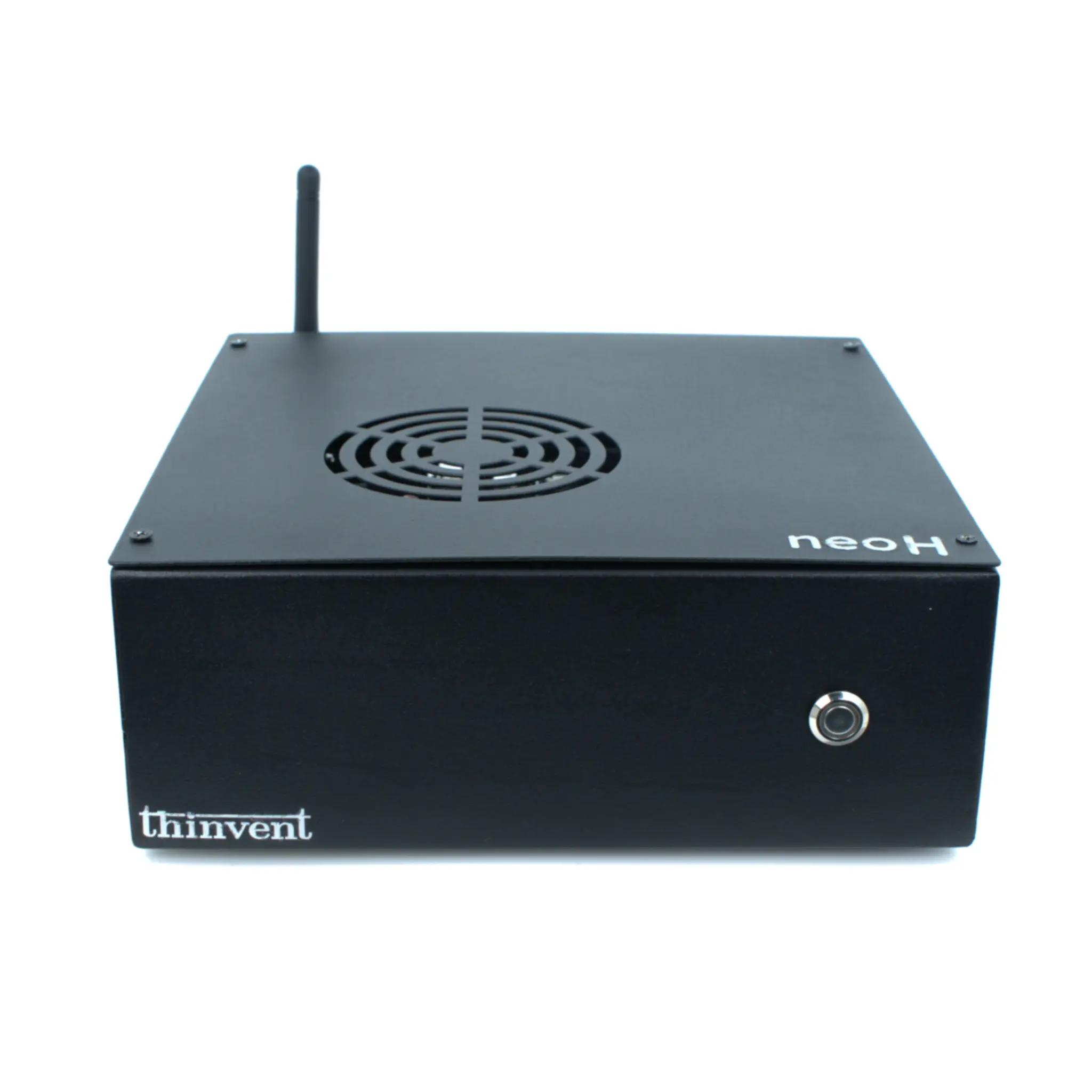
Understanding Desktop Computers Without a CPU
The term "Desktop Computer Without CPU" typically refers to a complete, compact computing system where the Central Processing Unit (CPU) is permanently integrated onto the motherboard or system-on-a-chip (SoC). Unlike traditional desktops where the CPU is a separate, user-upgradable component, these systems come with a processor that is soldered in place, offering a streamlined, low-profile, and often more power-efficient solution. They are fully functional computers out of the box, requiring only a display, keyboard, and mouse to operate.
These systems are designed for specific applications where small form factor, low power consumption, and reliability are paramount. Common use cases include digital signage, thin client deployments for virtual desktop infrastructure (VDI), kiosks, point-of-sale (POS) terminals, and lightweight office productivity. Their integrated nature makes them ideal for embedded industrial applications, edge computing nodes, and as media centers for basic streaming and browsing tasks.
Key Specifications and Product Comparison
The sample products showcase a range of processors, from ARM-based SoCs to Intel x86 architectures, catering to different performance needs. Here is a comparison of the core technologies featured:
| Processor Type | Example Model | Cores / Threads | Max Frequency | Typical Use Case |
|---|---|---|---|---|
| ARM SoC (e.g., Cortex A53/A55) | Micro 5 Wifi, Micro 6 Pro | 4 Cores | 1.5 - 1.9 GHz | Ultra-thin client, basic terminal, single-app kiosk |
| Intel Processor N-Series (e.g., N100) | Treo Mini PC, IPC1 | 4 Cores / 4 Threads | Up to 3.4 GHz | Lightweight desktop, digital signage, Linux-based applications |
| Intel Core i3/U-Series (e.g., 1215U) | IPC3, Aero Mini PC | 6 Cores / 8 Threads | Up to 4.4 GHz | General office productivity, multi-tasking, entry-level industrial PC |
| Intel Core i5/P-Series (e.g., 1250P, 120U) | IPC5, Aero Mini PC | 10-12 Cores / 12-16 Threads | Up to 5.0 GHz | Demanding industrial automation, multi-monitor setups, advanced computing tasks |
Key specifications to consider beyond the CPU include onboard RAM (from 2GB to 16GB), storage type and capacity (eMMC or SSD), operating system (Thinux™, Ubuntu, Windows IoT/Pro), and connectivity options like HDMI outputs and dual-band WiFi. The choice between ARM and x86 architecture also dictates software compatibility, with x86 supporting a broader range of standard desktop applications.
Thinvent's Integrated Desktop Solutions
Thinvent offers a comprehensive portfolio of compact, integrated desktop computers designed for reliability and specific operational environments. Our product lines are segmented to address distinct market needs:
-
Micro Series: Featuring ARM architecture, these are ultra-compact, fanless devices perfect for space-constrained and always-on deployments as thin clients or simple kiosks.
-
Treo & Aero Mini PC Series: Utilizing efficient Intel processors like the N100, i3, and i5, these units balance performance and size for general office use, digital signage, and light industrial duty.
-
Industrial PC (IPC) Series: Built with robust components and often featuring wider operating temperature ranges, these systems with Intel Core i3, i5, and i7 processors are engineered for harsh environments in manufacturing, automation, and edge computing.
Each product is a complete, ready-to-deploy system with pre-installed memory, storage, and an operating system, eliminating the complexity of component selection and assembly. Thinvent's focus on quality and thermal design in these integrated form factors ensures stable performance for continuous operation in commercial and industrial settings worldwide.