What Are Desktop Computers?
Desktop computers are traditional computing systems designed for a fixed location, typically consisting of a separate tower or case, monitor, keyboard, and mouse. In modern industrial and commercial contexts, the term has evolved to include compact, all-in-one, and space-saving form factors that maintain the core functionality of a stationary workstation. These systems are engineered for reliability, sustained performance, and integration into professional environments, offering more power and expandability than laptops or mobile devices for tasks that demand consistent computing resources.
Key Specifications and Technical Details
Modern desktop computers for business and industrial use prioritize a balance of performance, durability, and connectivity. Core specifications include powerful processors from brands like Intel, with options ranging from efficient quad-core models for general office tasks to high-performance multi-core CPUs for demanding applications. Memory configurations typically start at 8GB, scaling to 64GB or more for intensive workloads, while storage utilizes fast SSDs from 128GB to 1TB or larger. Critical technical features often include fanless cooling for silent, dust-resistant operation in harsh environments, multiple display outputs (HDMI, DisplayPort), Gigabit Ethernet for network reliability, and a robust selection of USB ports for peripherals.
Use Cases and Applications
Desktop computers serve as the backbone for a vast array of professional and industrial applications. In office settings, they handle everything from general productivity software and video conferencing to financial modeling and graphic design. In industrial environments, their ruggedness and reliability make them ideal for digital signage, factory automation, kiosks, control systems, and medical imaging. Their stationary nature allows for easier maintenance, security, and integration with larger networks and specialized hardware compared to portable devices.
Comparison of Desktop Form Factors
| Form Factor | Typical Use Case | Key Advantages | Considerations |
|---|---|---|---|
| Traditional Tower | High-performance workstations, servers, gaming rigs. | Maximum expandability, superior cooling, easy upgrades. | Large footprint, higher power consumption. |
| Mini PC / Small Form Factor (SFF) | Digital signage, thin clients, space-constrained offices, kiosks. | Extremely compact, energy-efficient, often fanless. | Limited internal expansion, integrated components. |
| All-in-One (AIO) | Reception desks, retail points of sale, modern offices. | Clean, cable-free setup, integrated display saves space. | More difficult to repair/upgrade, display is tied to computer. |
| Industrial Panel PC | Factory floors, machine control, harsh environments. | Ruggedized design, IP-rated protection, integrated touchscreen. | Specialized mounting, typically higher cost. |
Thinvent Desktop Computing Solutions
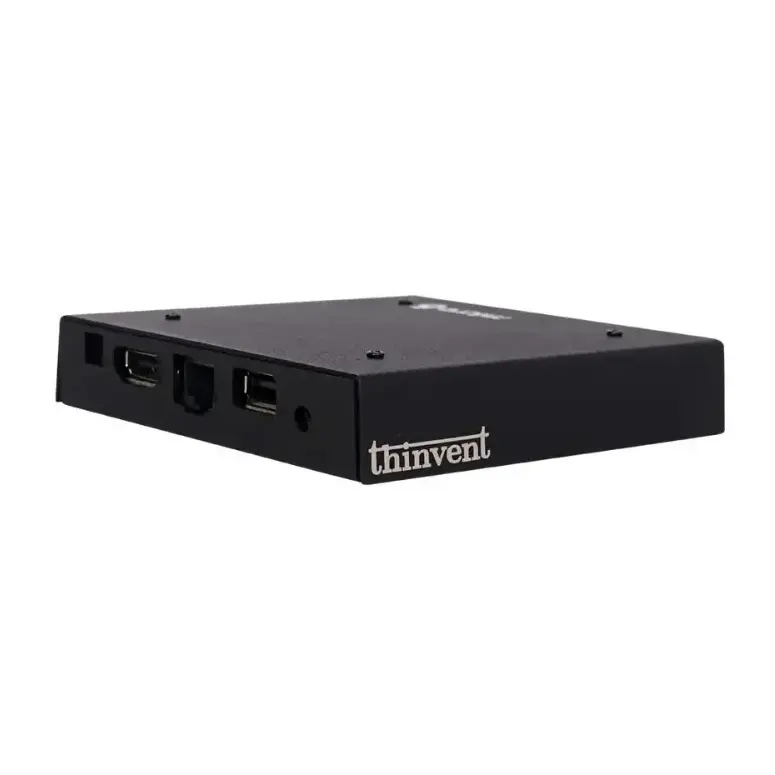
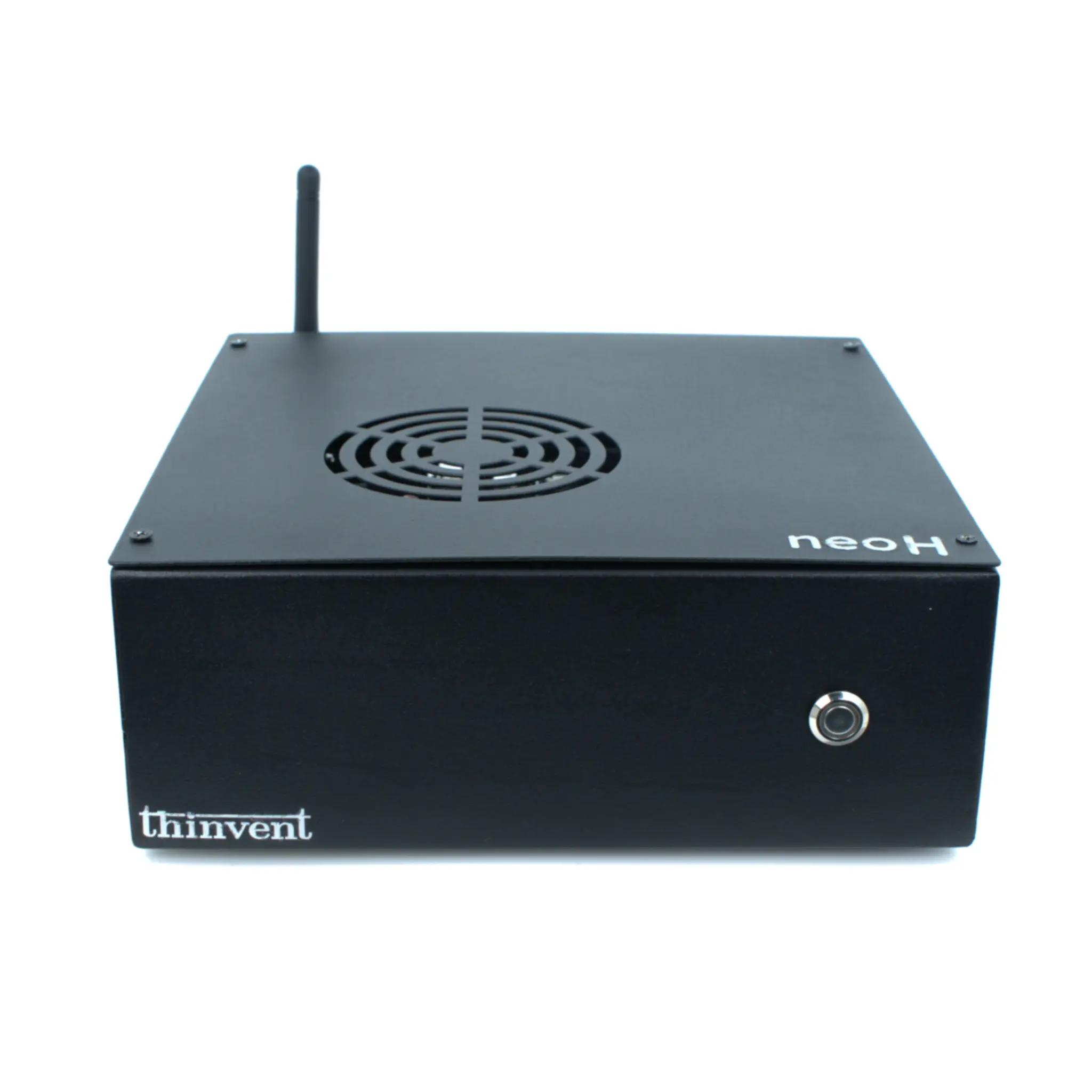
Thinvent offers a comprehensive range of industrial-grade desktop computers designed for reliability in demanding settings. Our product lines include compact Aero Mini PCs, which provide efficient, fanless operation perfect for embedded applications and digital signage. For more robust computing needs, our industrial PCs feature higher-performance Intel Core processors, greater memory and storage options, and enhanced connectivity. All Thinvent desktops are built with quality components for 24/7 operation and are available with a choice of operating systems, including Windows 11 Pro, Ubuntu Linux, or without an OS for custom deployments. We provide solutions that balance performance, durability, and value for global business and industrial clients.