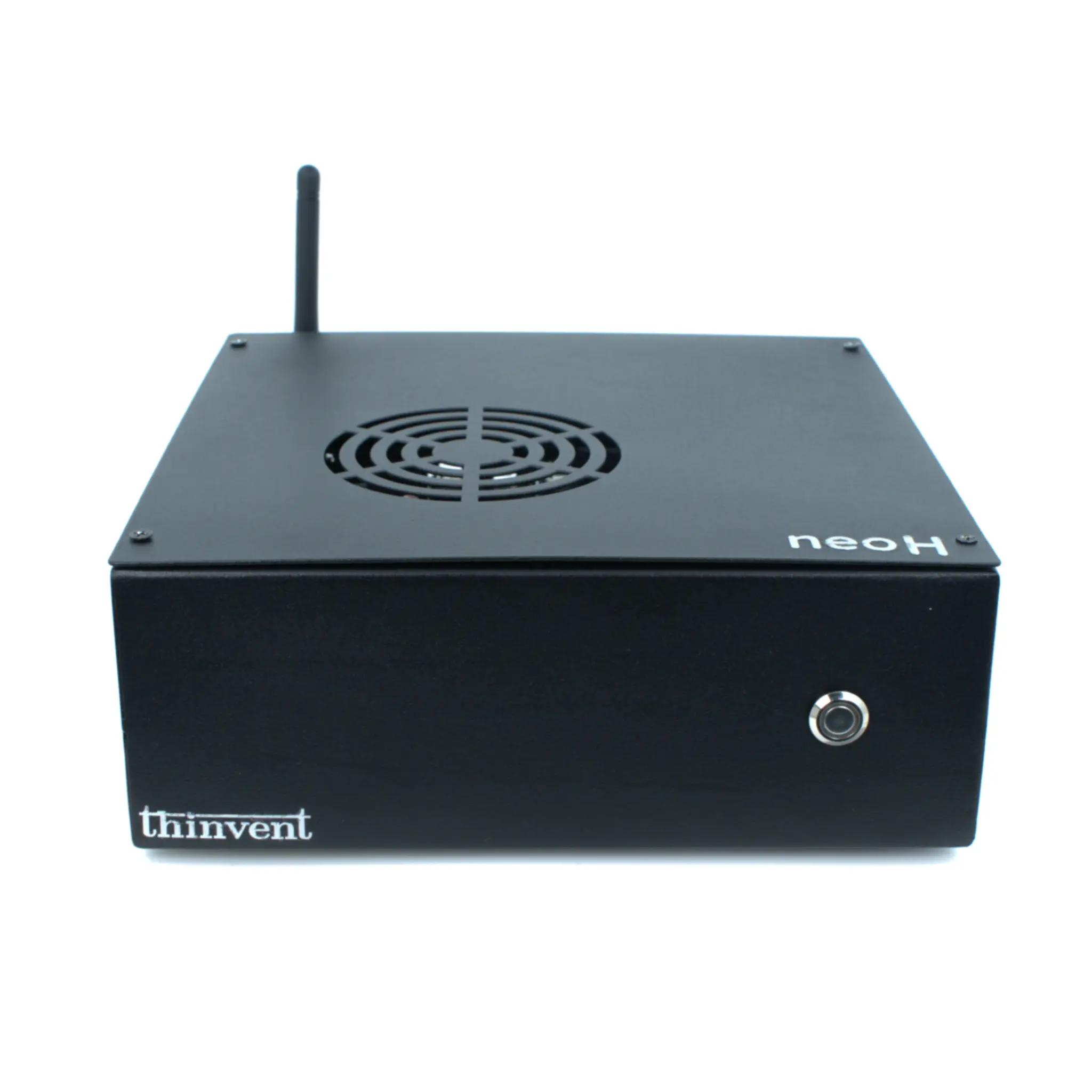
What are Desktop Systems?
Desktop systems are complete, self-contained computing units designed for stationary use on a desk or workstation. They encompass a wide range of form factors and performance levels, from ultra-compact mini PCs and thin clients to powerful industrial-grade workstations. These systems integrate a central processing unit (CPU), memory, storage, and connectivity into a single chassis, providing a versatile platform for business, industrial, and specialized computing tasks. The key distinction from consumer desktops is their focus on reliability, long-term availability, and suitability for demanding or embedded environments.
Key Specifications and Form Factors
The performance and application of a desktop system are defined by its core specifications. Key components include the processor (CPU brand, model, cores, and frequency), system memory (RAM), storage type and capacity (e.g., eMMC, SSD), and operating system (OS). Form factor is equally critical, determining the physical footprint and deployment flexibility. Thinvent's portfolio illustrates this spectrum:
| Form Factor | Typical Processor | Key Characteristics | Ideal For |
|---|---|---|---|
| Thin Client / Micro PC | ARM Cortex (A53/A55) | Ultra-low power, fanless, compact, minimal storage. | Digital signage, kiosks, VDI endpoints, lightweight browsing. |
| Mini PC | Intel N-series, Core i3 | Small footprint, balanced performance, versatile I/O. | Office productivity, point-of-sale, conference rooms, edge computing. |
| Industrial PC | Intel Core i5/i7, high-end mobile CPUs | Rugged design, extended temperature range, high reliability. | Factory automation, machine vision, control systems, medical devices. |
Use Cases and Applications
Desktop systems are deployed across virtually every industry. Energy-efficient ARM-based thin clients are perfect for centralized computing models like Virtual Desktop Infrastructure (VDI), where they provide secure, manageable access to cloud or server-hosted applications. Mini PCs, with their compact size and capable Intel processors, serve as all-in-one solutions for retail POS systems, interactive digital displays, and compact office workstations. For the most demanding environments, Industrial PCs (IPCs) offer the processing power, expansion capabilities, and durability needed for 24/7 operation in manufacturing, logistics, and outdoor installations, often running specialized industrial software or acting as data acquisition hubs.
Thinvent's Desktop Systems Portfolio
Thinvent offers a comprehensive range of desktop systems engineered for global professional and industrial use. Our lineup is designed to provide the right balance of performance, size, and reliability for any application.
-
Micro Series Thin Clients: Featuring ARM processors like the Cortex A53 and A55, these systems (e.g., Micro 5 Wifi, Micro 6 Pro) deliver exceptional power efficiency in a tiny form factor, ideal for lightweight computing and display tasks.
-
Treo & Aero Mini PCs: These compact systems utilize Intel processors from the efficient N100 to the capable Core i3 and Core 5 series. They offer a perfect blend of small size and desktop-level performance for general business computing, running operating systems like Windows 11 Pro, Ubuntu Linux, or our embedded Thinux™.
-
Industrial PC (IPC) Series: Built for mission-critical applications, our IPC line (e.g., IPC1, IPC3, IPC5) features robust construction and powerful Intel Core processors (i3 to i5). They support extended operating temperatures and are available with a choice of industrial-grade operating systems, making them the backbone for automation, control, and data processing in harsh environments.