What is a Desktop Workstation?
A desktop workstation is a high-performance computer system designed for professional, technical, or scientific applications that demand superior computing power, reliability, and stability compared to standard office desktops. These systems are engineered to handle resource-intensive tasks such as 3D rendering, complex simulations, software development, and large-scale data analysis. Unlike consumer-grade PCs, workstations prioritize sustained performance, extensive memory capacity, professional-grade graphics, and robust thermal management.
Key Specifications and Technical Details
Modern desktop workstations are defined by their powerful components. They typically feature high-core-count processors from Intel's Core i5, i7, or i9 series (or equivalent), often from the latest generations (12th, 13th, or 14th). They are equipped with substantial main memory, commonly starting at 32GB and scaling to 64GB or more, to manage large datasets and complex applications. Fast, high-capacity SSD storage (512GB to 2TB+) ensures quick data access and system responsiveness. Professional-grade discrete graphics cards (GPUs) are a hallmark, providing the acceleration needed for CAD, animation, and scientific visualization. Furthermore, they offer extensive connectivity options, including multiple high-speed USB ports, Ethernet, and robust expansion capabilities via PCIe slots.
Use Cases and Applications
Desktop workstations are indispensable across numerous industries. In engineering and architecture, they run CAD and BIM software like AutoCAD and Revit. In media and entertainment, they power video editing, 3D animation, and visual effects suites such as Adobe Creative Cloud, Blender, and Maya. For software developers, they handle large codebases and virtualization environments. Data scientists and financial analysts rely on them for running complex algorithms and machine learning models. Their reliability also makes them suitable for industrial control systems and digital signage in demanding environments.
Desktop Workstation vs. Standard Desktop
| Feature | Desktop Workstation | Standard Desktop |
|---|---|---|
| Processor | High-core-count (e.g., i5/i7/i9, 6+ cores) | Standard (e.g., i3, Celeron, 2-4 cores) |
| Memory | 32GB - 128GB+ ECC support often available | 8GB - 16GB |
| Graphics | Professional discrete GPU (NVIDIA RTX, Quadro) | Integrated or consumer-grade GPU |
| Storage | High-speed NVMe SSDs, large capacity | Standard SATA SSD/HDD |
| Reliability | Components validated for 24/7 operation, better cooling | Designed for typical office use |
| Use Case | Professional CAD, Rendering, Data Science | General Office, Web Browsing, Light Tasks |
Thinvent's Desktop Workstation Solutions
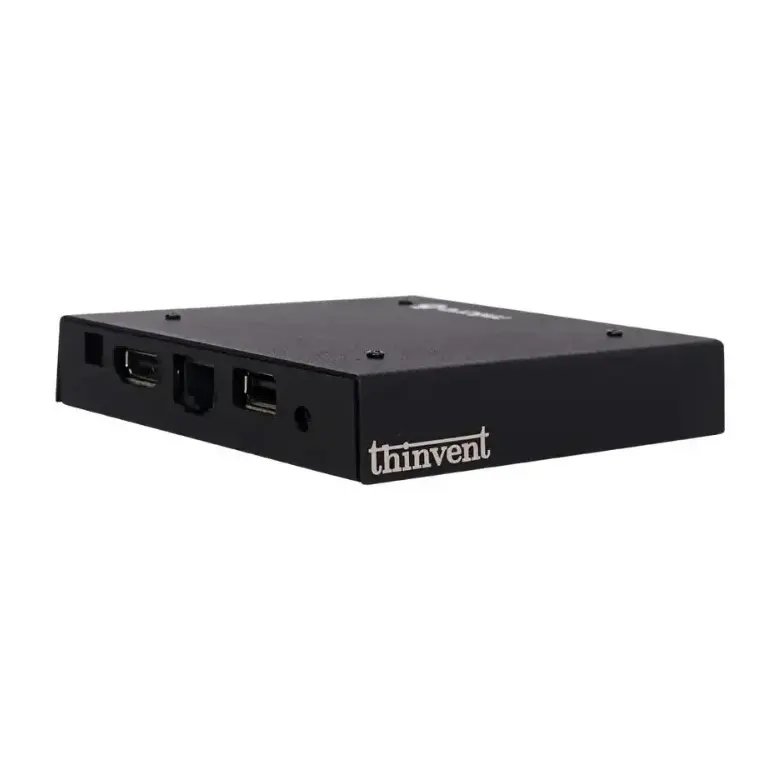
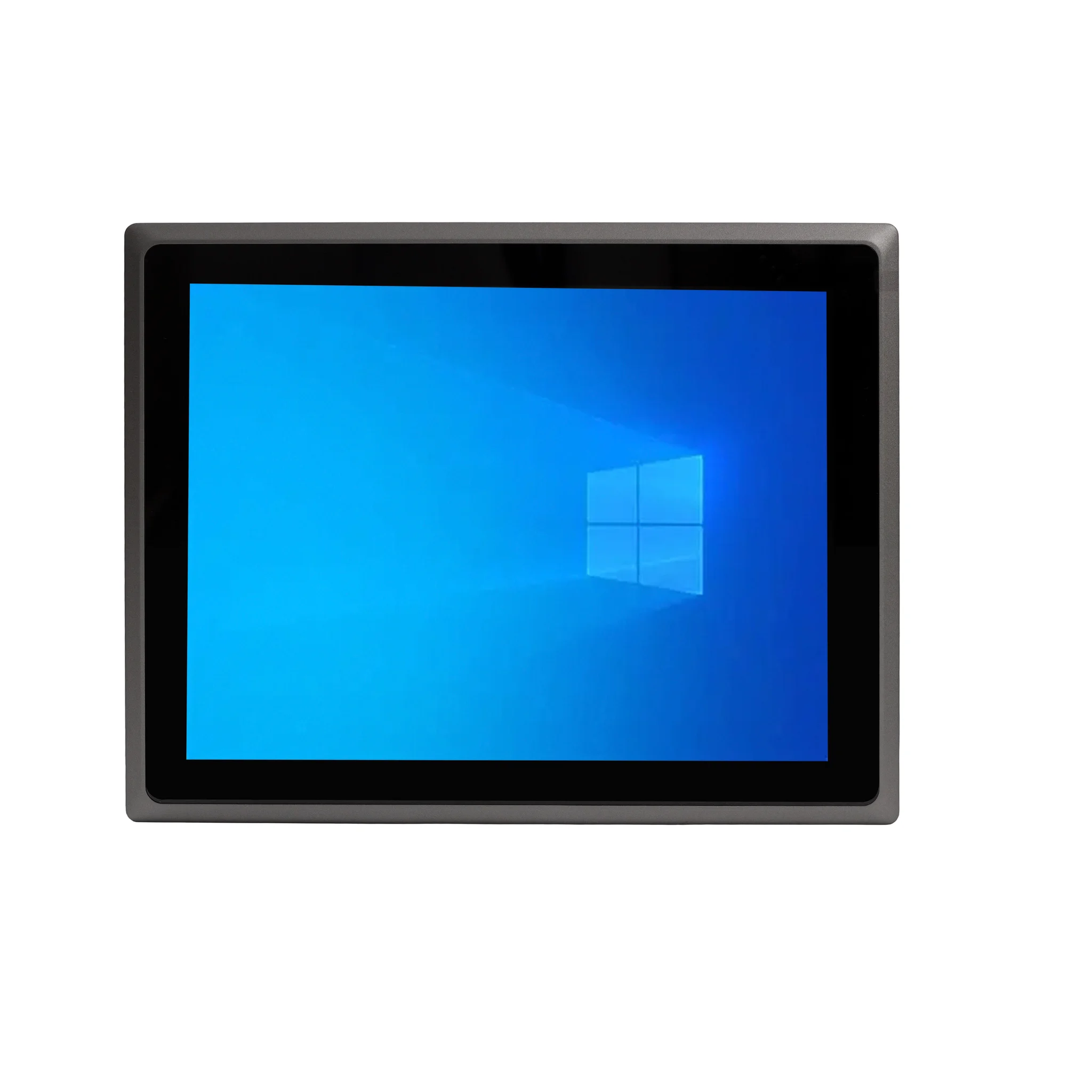
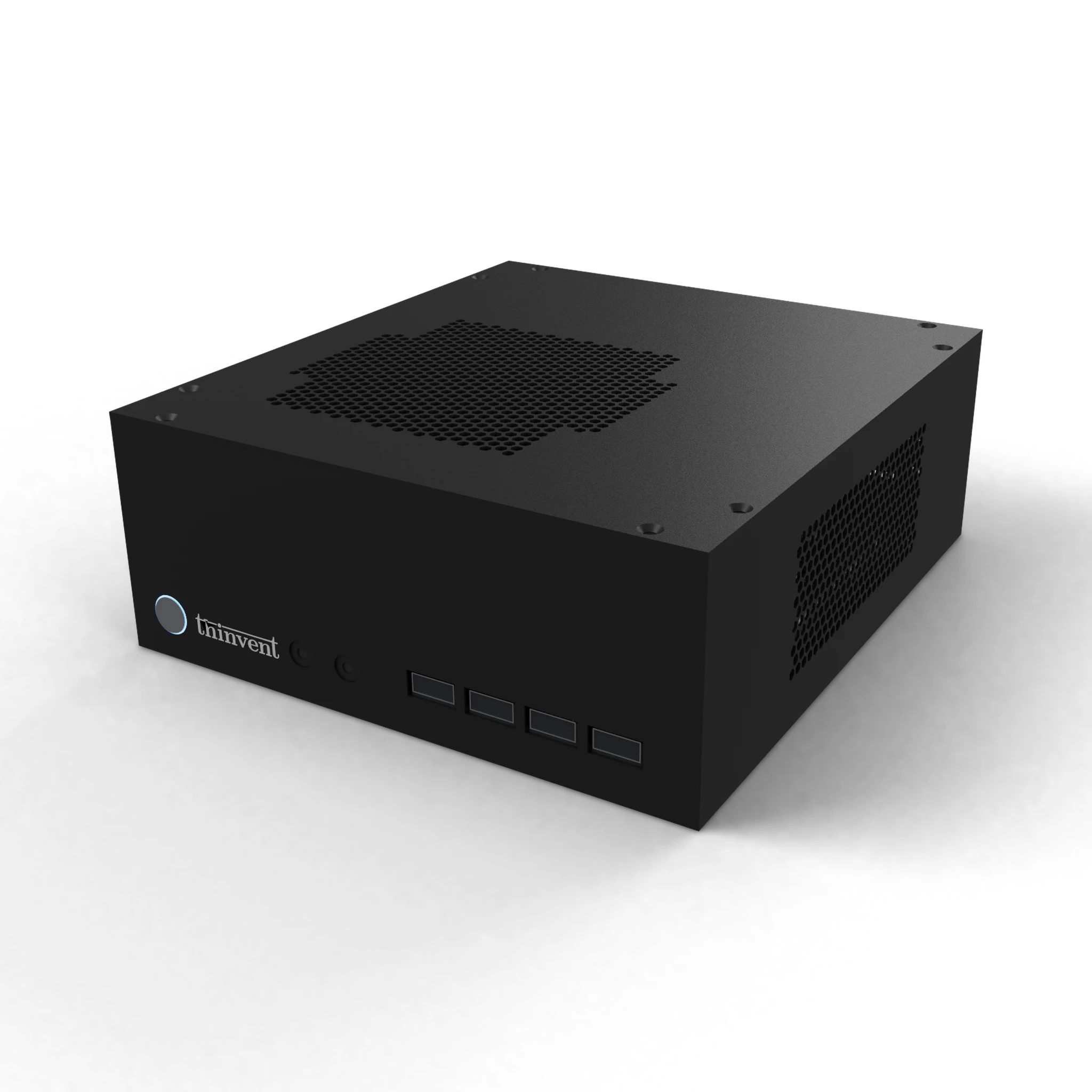
Thinvent offers a range of industrial-grade computing solutions that embody the core principles of a workstation—reliability and performance—in robust, fanless form factors. While our product line includes powerful compact systems ideal for many professional applications, our focus is on durability for harsh environments. For tasks requiring intensive graphical processing, we recommend pairing our high-performance industrial PCs with compatible professional-grade external GPUs. Our systems feature the latest Intel Core processors, ample DDR4/DDR5 RAM, and fast NVMe SSD storage, all housed in rugged, passively cooled enclosures perfect for control rooms, medical imaging, and embedded applications where silence and dust resistance are critical.