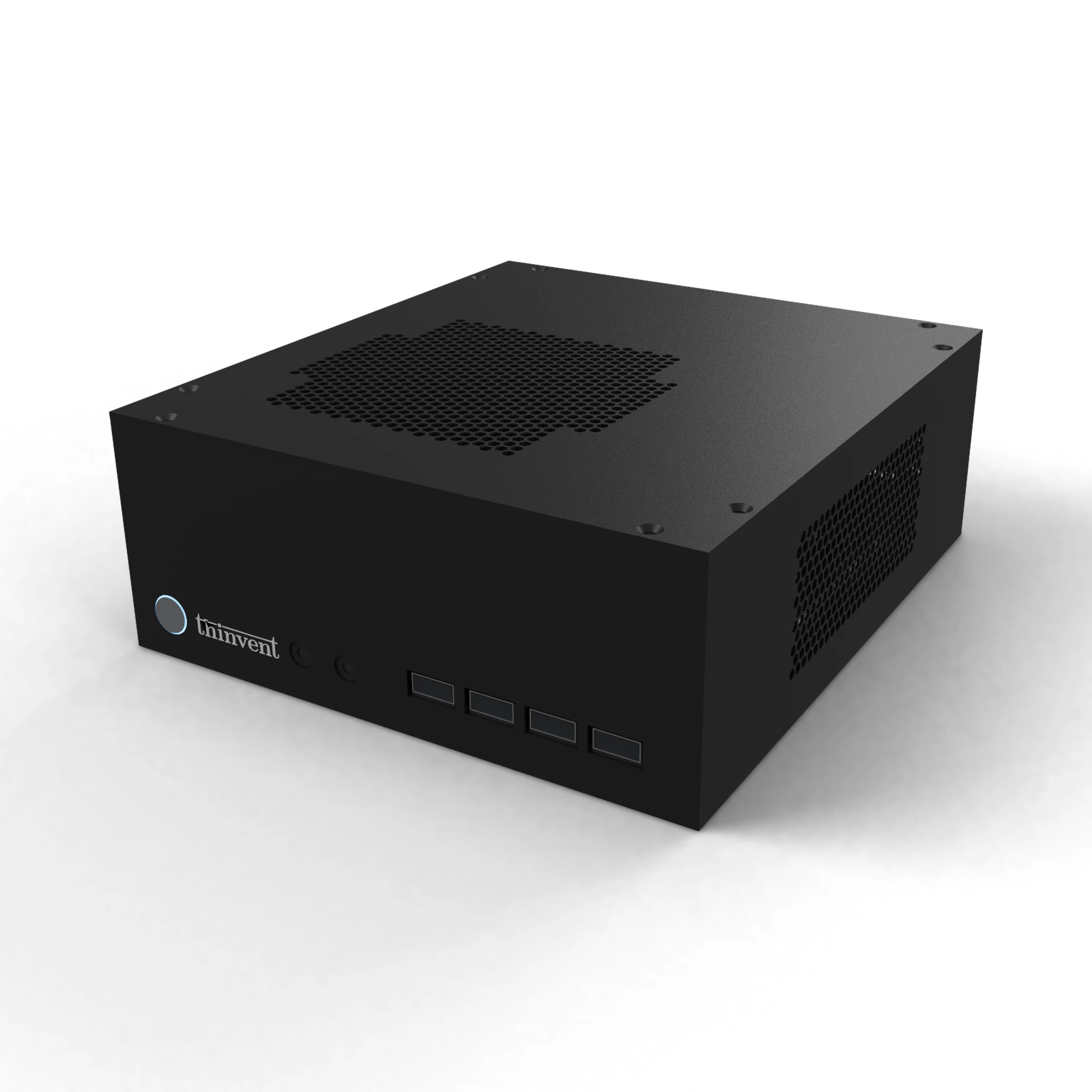
What Are Development Computers?
Development computers, often referred to as dev boards or dev PCs, are compact, specialized computing systems designed for software development, prototyping, and testing, particularly for embedded systems and Internet of Things (IoT) applications. Unlike standard desktop PCs, these machines prioritize a small footprint, low power consumption, and robust I/O connectivity to interface with hardware prototypes. They serve as the bridge between writing code on a traditional workstation and deploying it on a final, often headless, production device.
Key Specifications and Technical Details
A development computer's core specifications determine its suitability for different project stages. Key components include:
-
Processor (CPU): Ranges from energy-efficient ARM Cortex cores (A53, A55) for lightweight Linux-based development to powerful Intel Core i-series and N-series processors for demanding applications, containerization, and compiling.
-
Memory (RAM): Typically from 2GB to 16GB. More RAM is crucial for running integrated development environments (IDEs), virtual machines, and handling large codebases.
-
Storage: Uses eMMC or SSD storage (16GB to 512GB). SSDs offer faster boot times and quicker compilation cycles.
-
Operating System: Often comes pre-installed with lightweight, stable OS options like Thinux™ (embedded Linux), Ubuntu Linux, or Windows 11 IoT/Pro, providing a ready-to-code environment.
-
Form Factor & Power: Ultra-compact designs (mini PCs, thin clients) with low-voltage DC adapters (5V-12V) enable deployment in lab benches, kiosks, or field testing setups.
Ideal Use Cases and Applications
These compact powerhouses are essential across multiple technical domains:
-
Embedded Software Development: Writing, compiling, and debugging firmware and applications for ARM or x86-based target hardware.
-
IoT Gateway & Prototyping: Acting as a local hub for sensor data aggregation, running edge analytics, and prototyping IoT solutions before mass deployment.
-
Digital Signage & Kiosk Controller Development: Building and testing interactive media applications in a stable, fanless environment identical to the deployment hardware.
-
Industrial Automation Testing: Simulating and validating control software for manufacturing environments using rugged, reliable industrial PC form factors.
-
Educational Labs & Research: Providing a cost-effective, standardized platform for students and researchers to learn systems programming and hardware interaction.
Comparison of Common Development Computer Profiles
| Profile | Typical Processor | RAM | Storage | Ideal For | OS Example |
|---|---|---|---|---|---|
| Lightweight / IoT Edge | ARM Cortex A55 (4-core) | 2GB - 4GB | 16GB - 64GB eMMC | Scripting, Node-RED, lightweight containers, sensor hubs | Thinux™, Ubuntu Core |
| Balanced / General Purpose | Intel N100 (4-core) | 4GB - 8GB | 128GB SSD | Linux application development, web servers, CI/CD nodes | Ubuntu Linux, Thinux™ |
| High-Performance / Desktop | Intel Core i3/i5 (6-12 cores) | 8GB - 16GB | 256GB - 512GB SSD | Software compilation, running multiple VMs, Windows-based development | Windows 11 Pro, Ubuntu Desktop |
Thinvent's Range of Development Computers
Thinvent offers a comprehensive portfolio of compact development computers tailored to various project requirements. For entry-level embedded and IoT development, the Micro series (Micro 5 Wifi, Micro 6 Pro) provides an ultra-efficient ARM-based platform with Thinux™ OS. The Treo Mini PC and select Industrial PC (IPC) models, powered by the Intel N100 processor, deliver a perfect balance of x86 compatibility and power efficiency for general-purpose development. For demanding workloads requiring high compile speeds and virtualization, the Aero Mini PC and higher-end IPC models feature Intel Core i3, i5, and newer generation processors with ample RAM and fast SSD storage. This diverse range ensures developers have access to reliable, fanless hardware that mirrors production environments, from initial concept to final deployment.