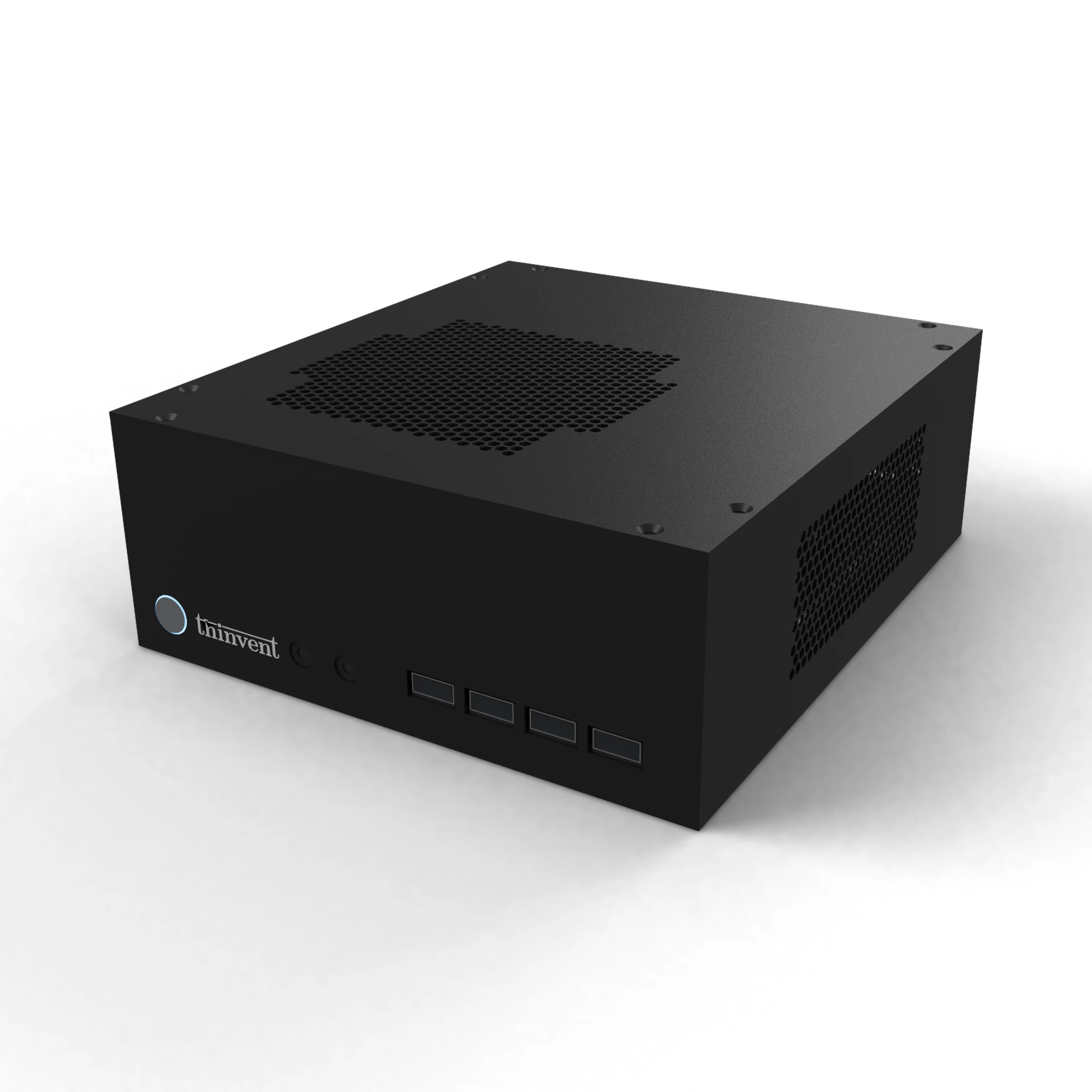
What Are Compact Mini PCs?
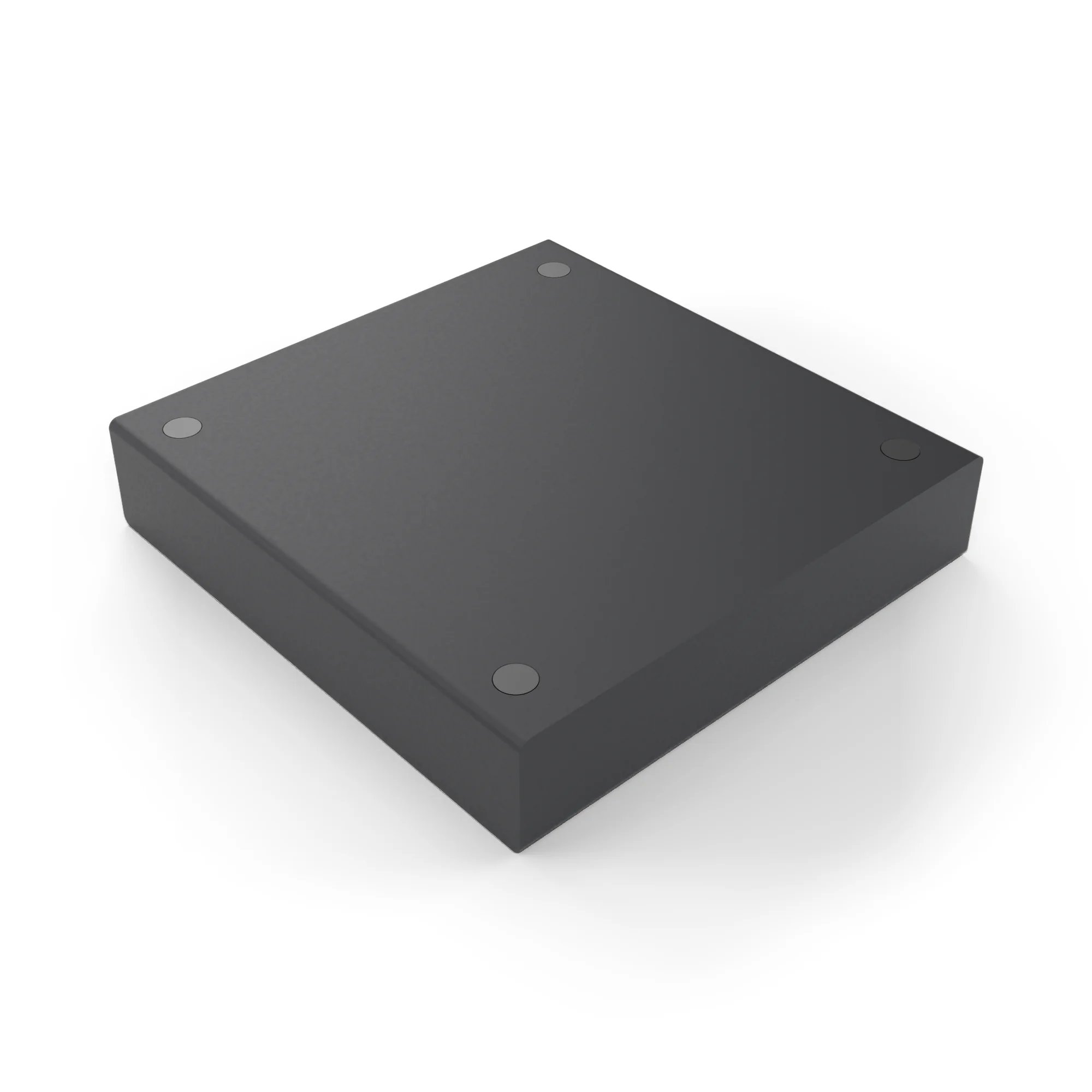
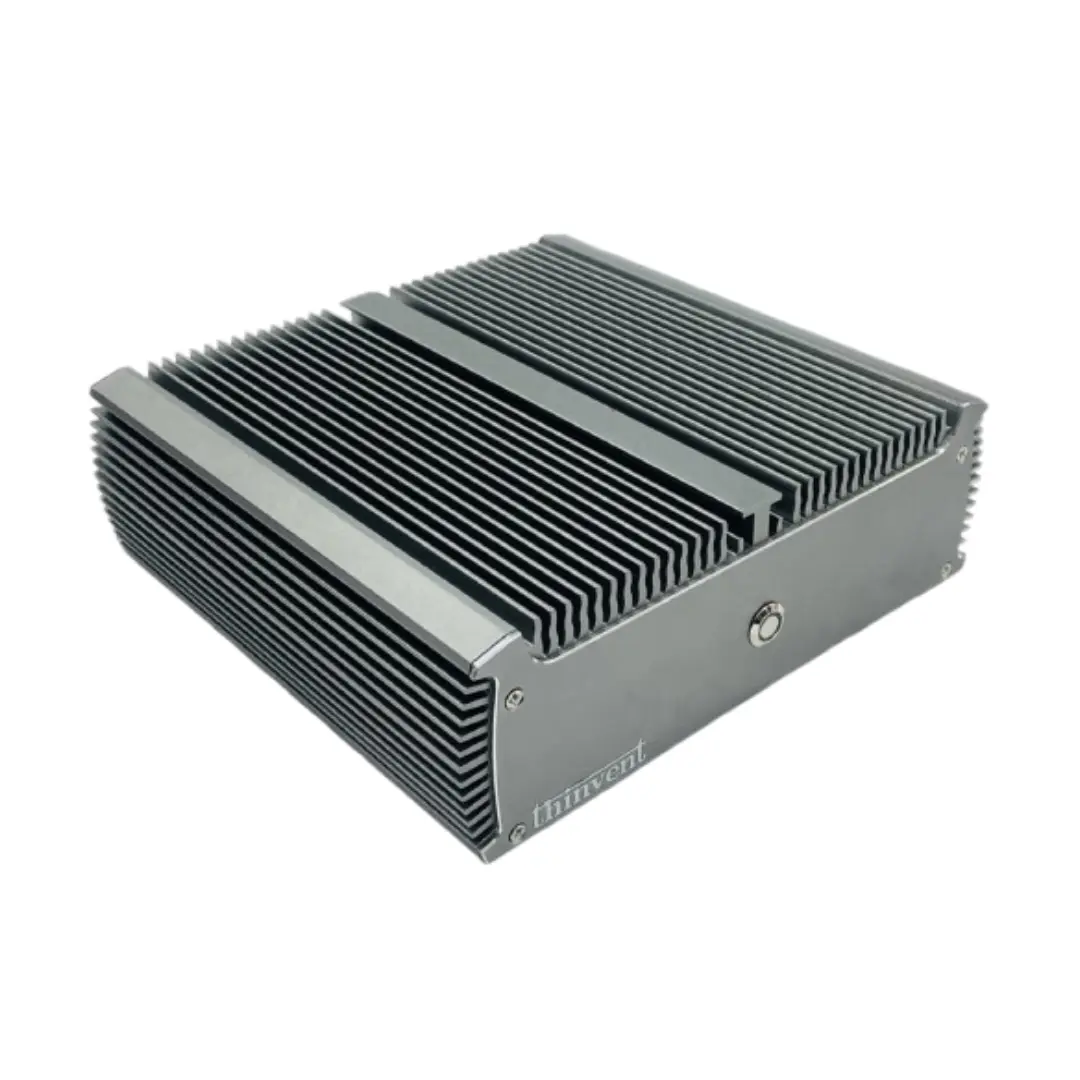
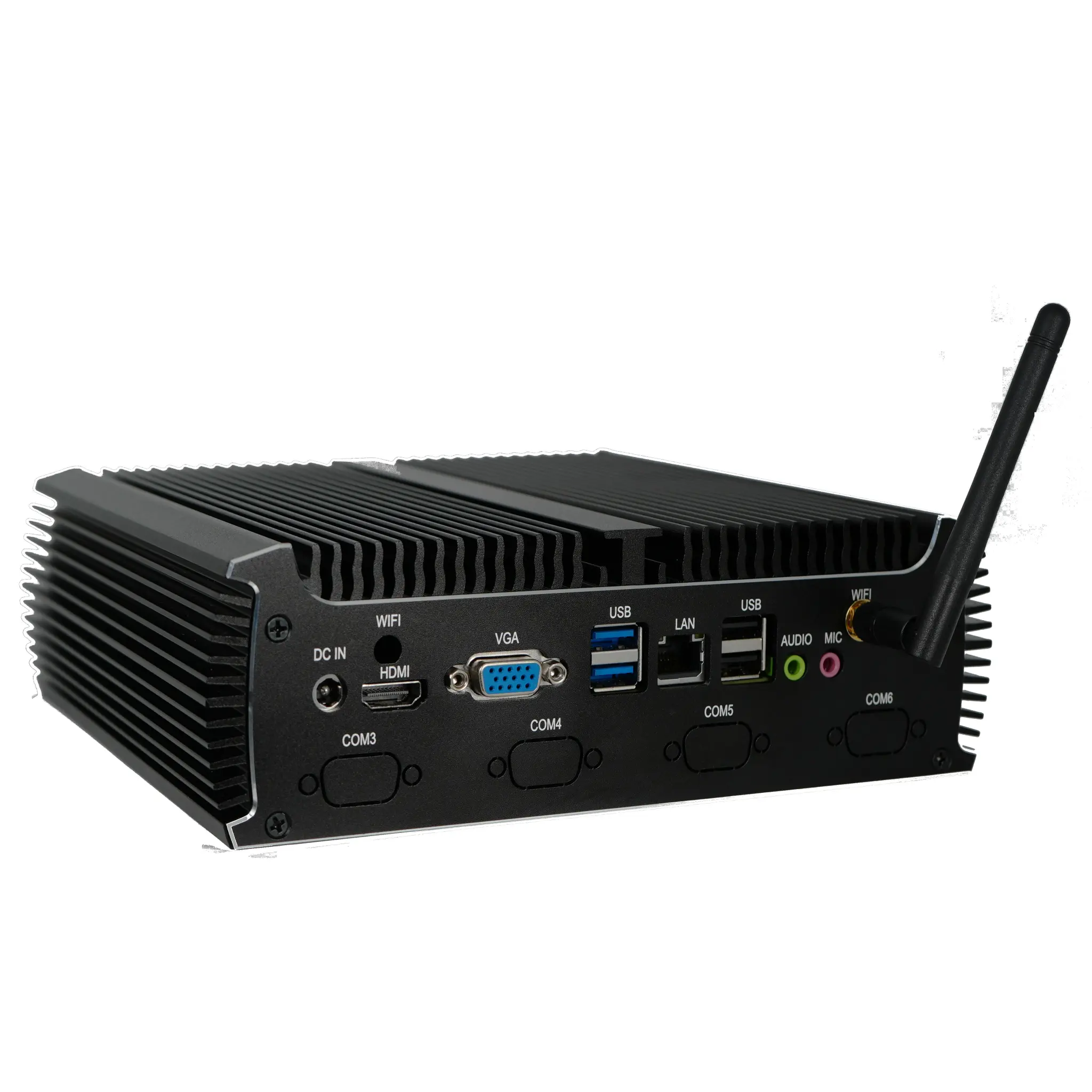
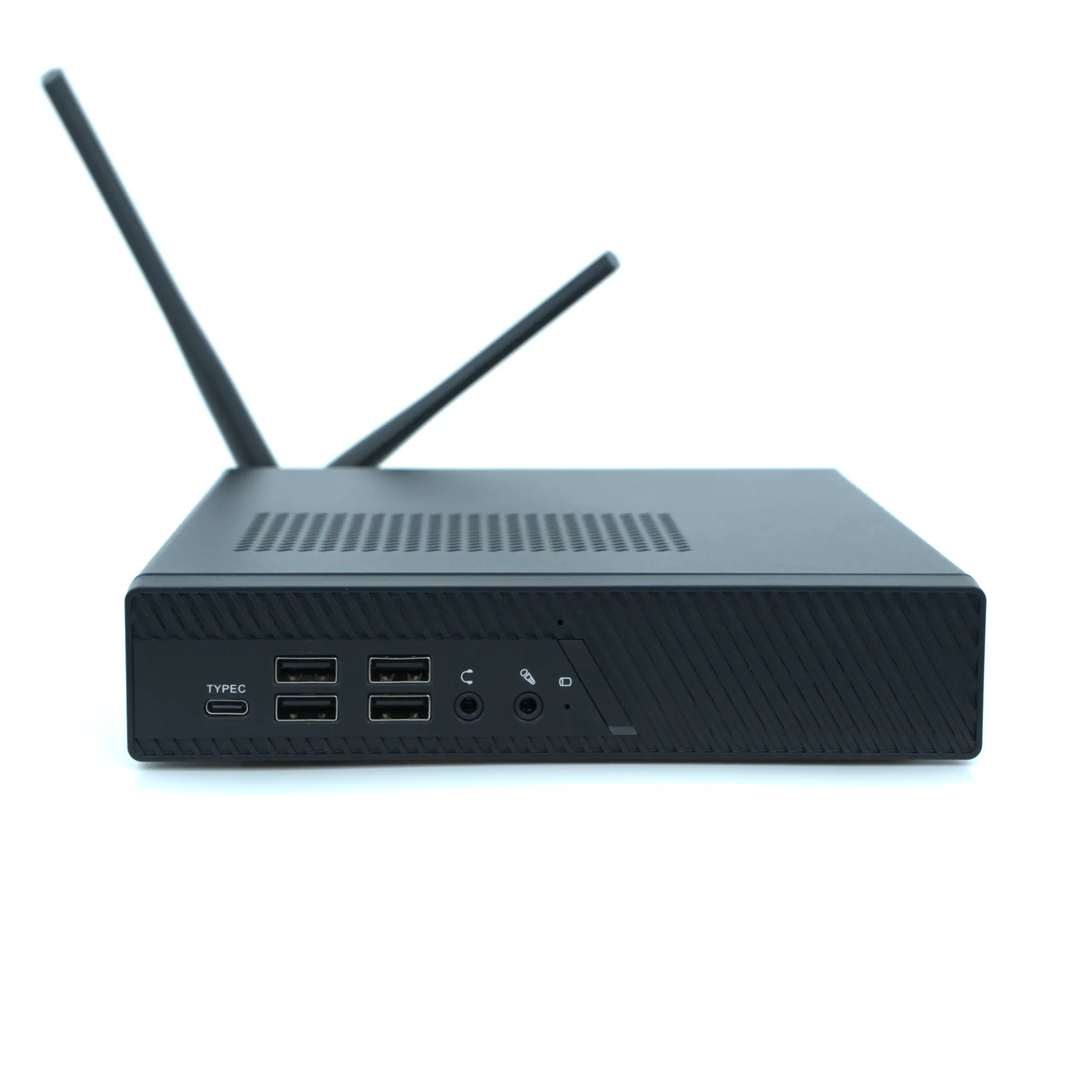
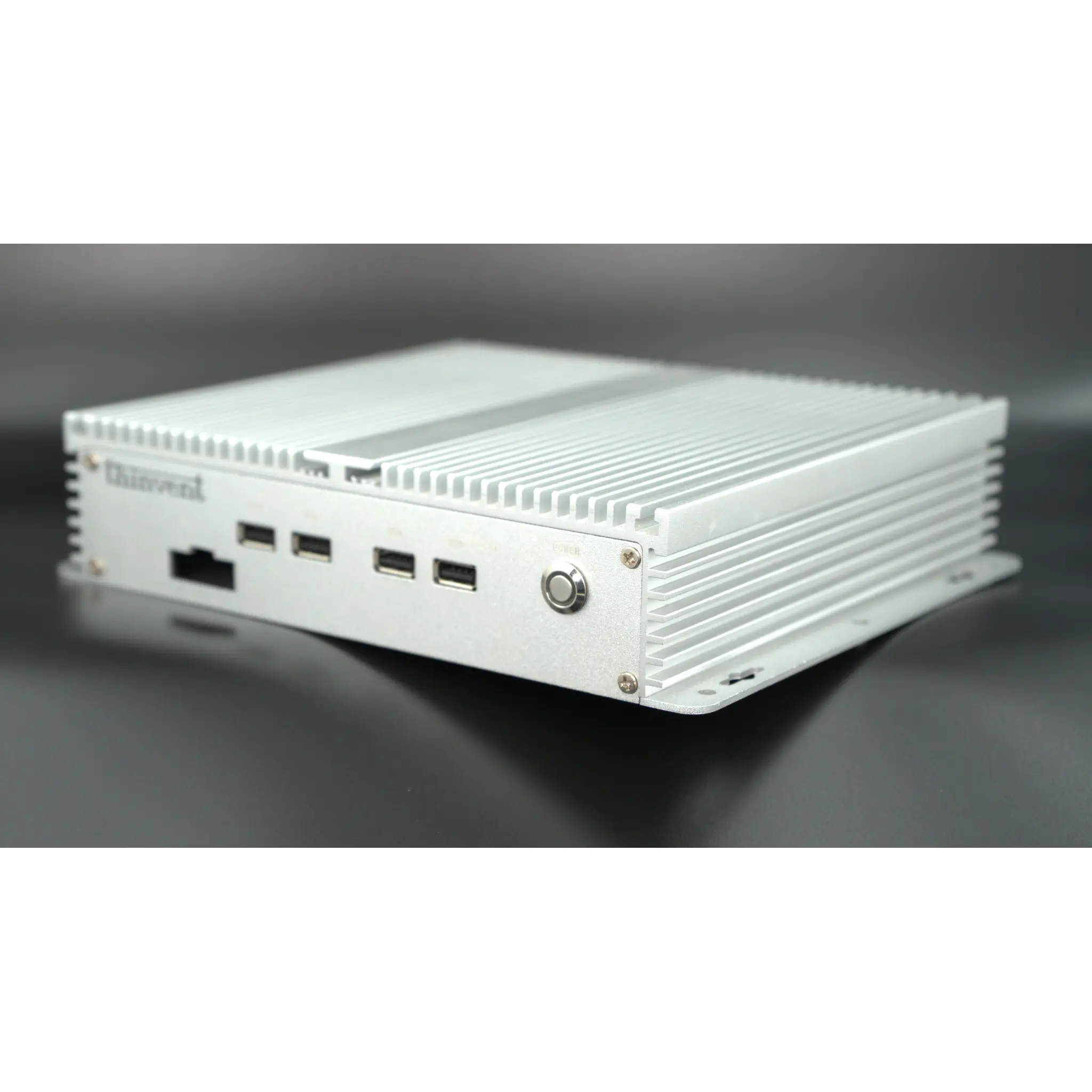
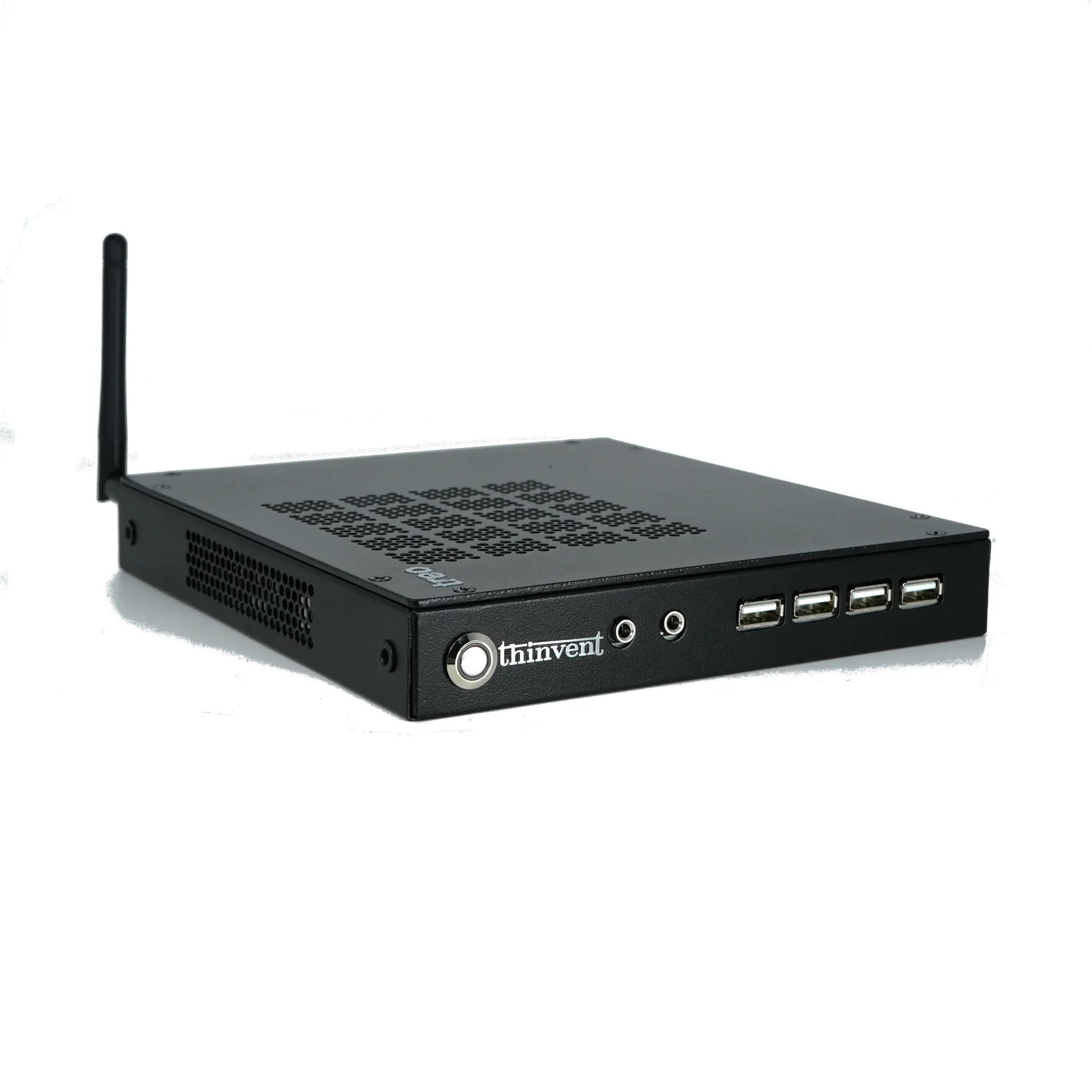
Compact Mini PCs are highly integrated, small-form-factor computers designed to deliver full computing functionality while occupying minimal physical space. Unlike traditional desktop towers, these devices pack essential components—including processors, memory, and storage—into a chassis often no larger than a book. They are engineered for environments where space is at a premium, energy efficiency is crucial, and silent, fanless operation is desired. These systems typically connect to standard peripherals like monitors, keyboards, and mice, offering a complete desktop experience in a fraction of the footprint.
Key Specifications and Technical Details
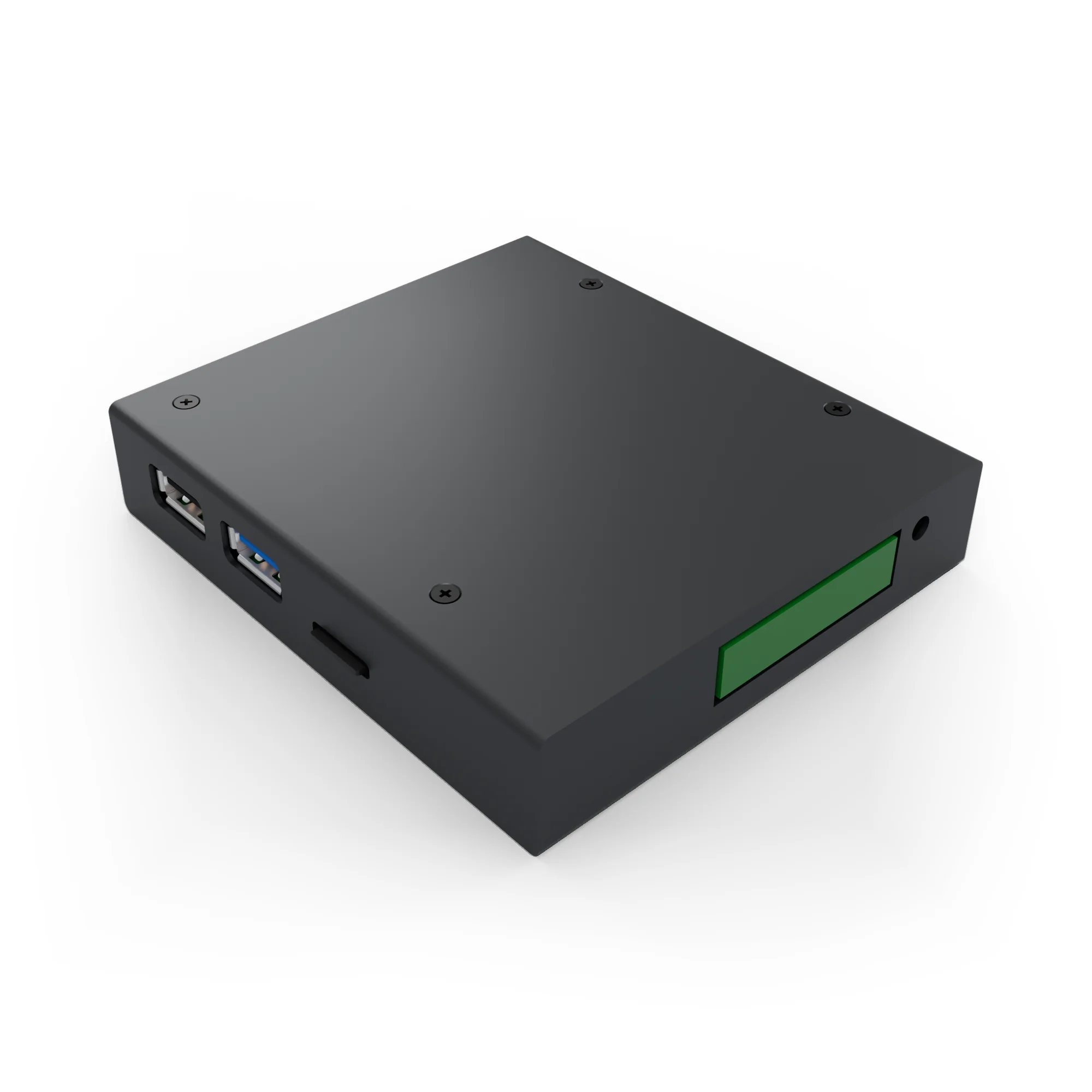
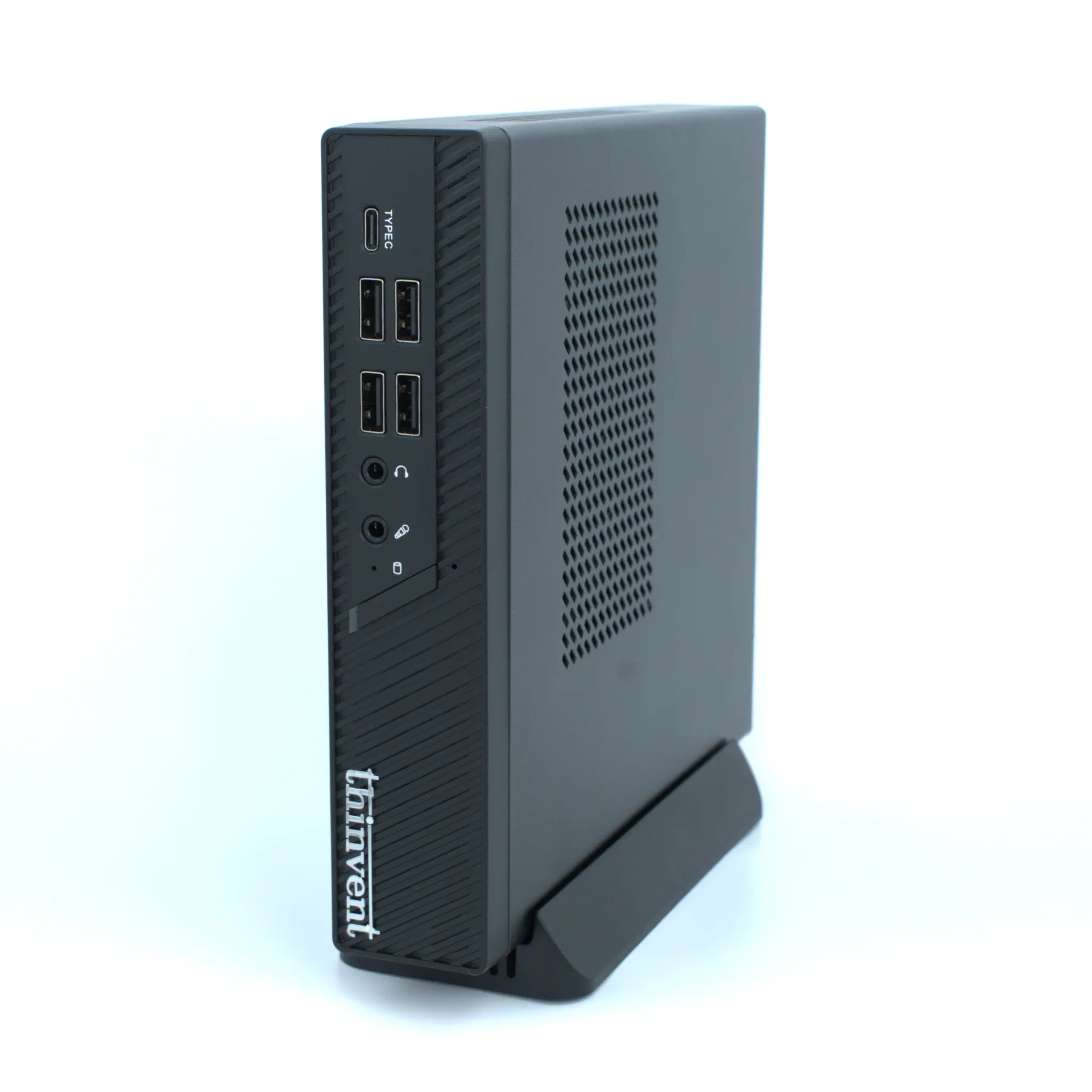
The performance profile of a compact Mini PC is defined by its core components. Processors range from power-efficient ARM-based chips, like the ARM Cortex A53 or A55, to more powerful Intel Core and Intel Processor N-series CPUs. Memory configurations typically start from 2GB of onboard RAM for basic tasks, scaling up to 16GB DDR4 for demanding applications. Storage is commonly provided via eMMC modules (e.g., 16GB, 64GB) for lightweight operating systems or faster SSDs (128GB to 512GB) for enhanced performance. Connectivity is a strong suit, with most models featuring HDMI outputs for display, USB ports, and often integrated dual-band Wi-Fi. Their power consumption is remarkably low, often running on adapters as small as 5V/2A, contributing to silent, fanless designs and reduced operational costs.
Ideal Use Cases and Applications
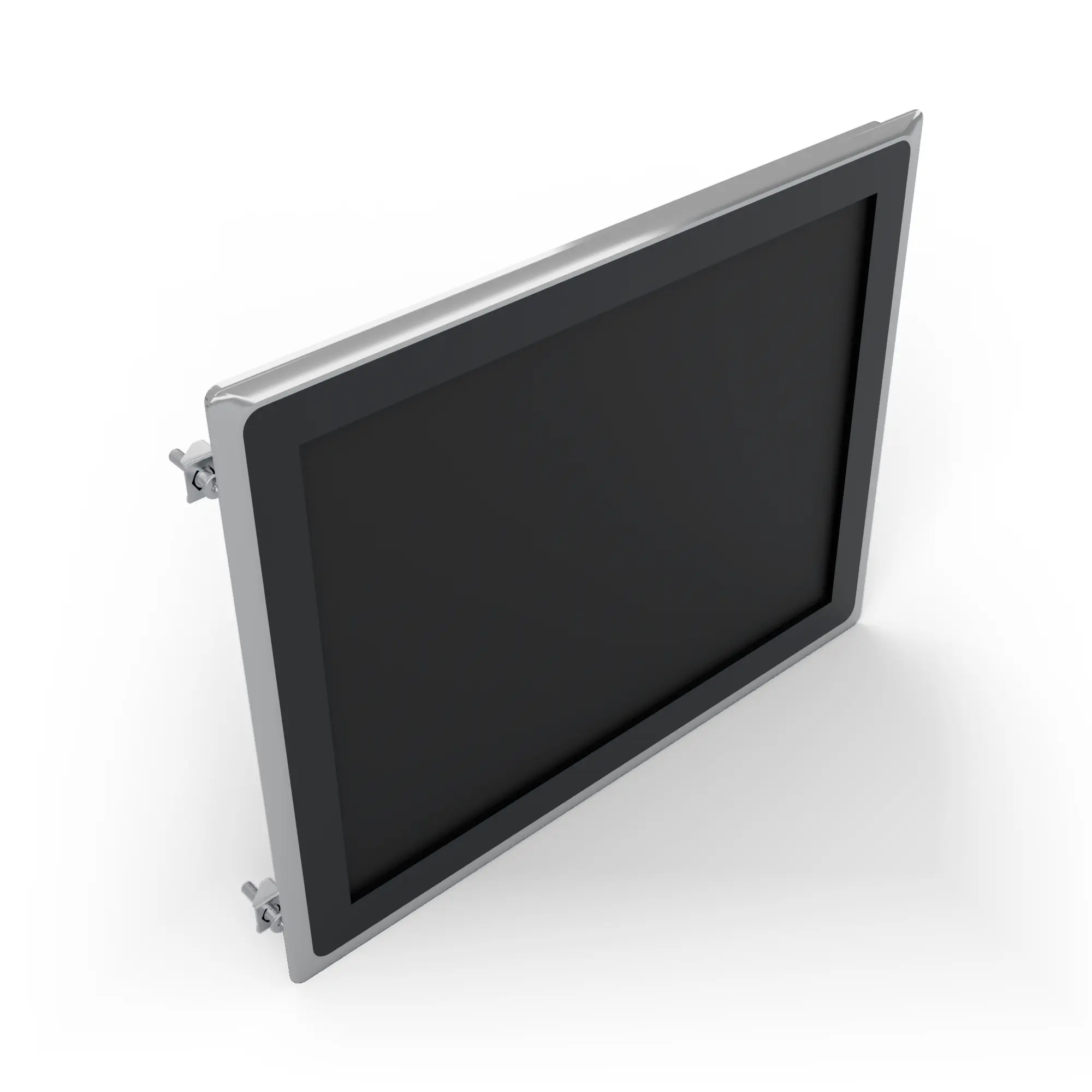
The versatility of compact Mini PCs makes them suitable for a wide array of applications. In commercial and digital signage environments, their small size allows for discreet mounting behind monitors or on VESA brackets. They serve as excellent thin clients for virtual desktop infrastructure (VDI), providing secure access to centralized resources in offices and call centers. For light-duty tasks like web browsing, document editing, and media playback in homes or libraries, an ARM-based model is perfectly adequate. More powerful Intel-based units are ideal for industrial automation, edge computing, kiosks, and as compact workstations for general office productivity, where their performance and reliability in confined or harsh environments are key advantages.
Comparison of Compact Mini PC Architectures
| Feature | ARM-Based Mini PCs (e.g., Thinvent Micro Series) | Intel-Based Mini PCs (e.g., Thinvent IPC/Aero/Treo Series) |
|---|---|---|
| Processor | ARM Cortex (A53, A55) | Intel Core i3/i5, Intel Processor N100 |
| Core Count | Typically 4 cores | 4 to 12 cores |
| Performance Profile | Ultra-low power, optimized for embedded tasks | Balanced to high performance for general computing |
| Typical RAM | 2GB - 4GB Onboard | 4GB - 16GB DDR4 |
| Typical Storage | 16GB - 64GB eMMC | 128GB - 512GB SSD |
| Power Consumption | Very Low (5V/2A) | Low to Moderate (12V/5A-7A) |
| Best For | Digital Signage, Thin Clients, Basic Kiosks | Industrial PCs, Office Workstations, Edge Computing |
Thinvent's Range of Compact Mini PCs
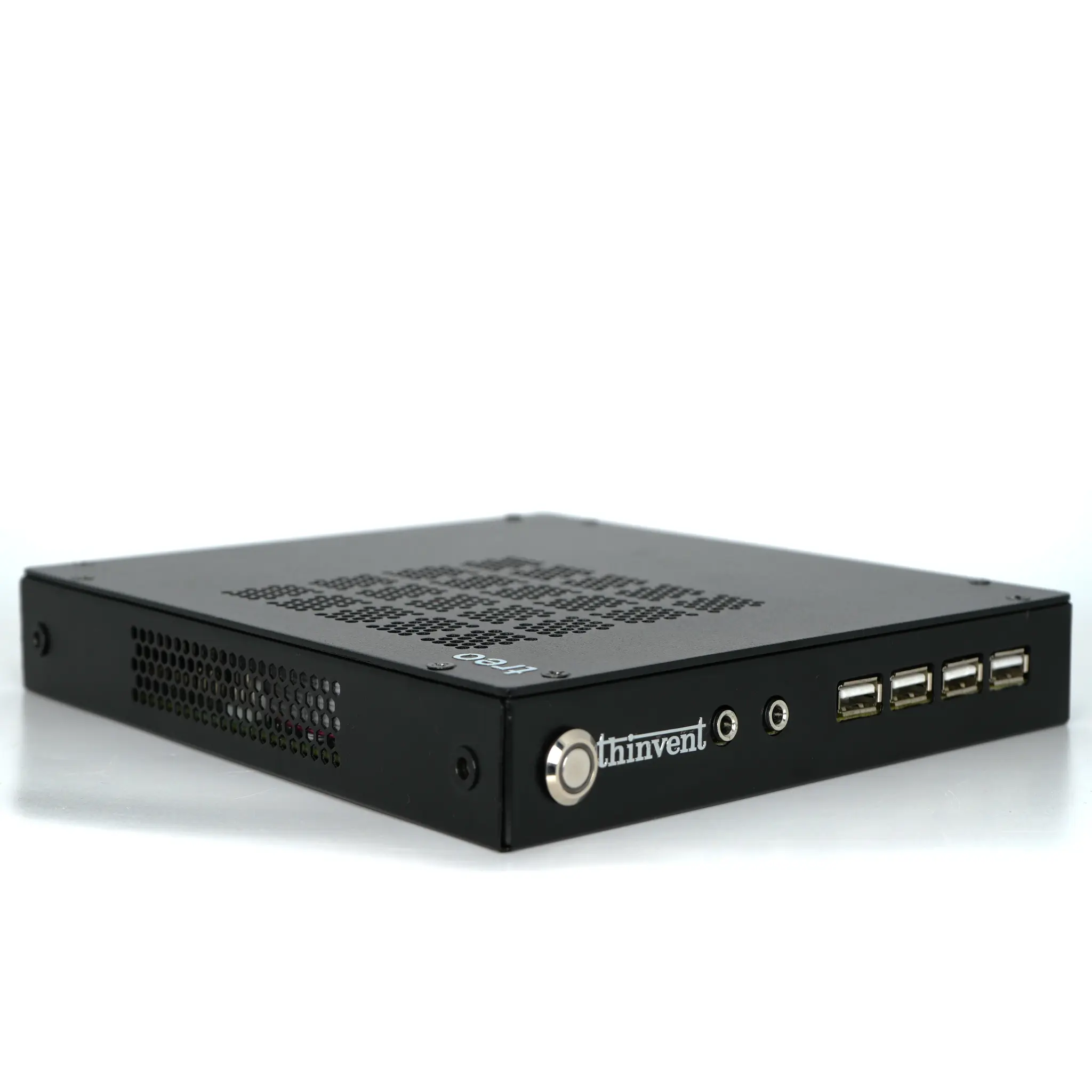
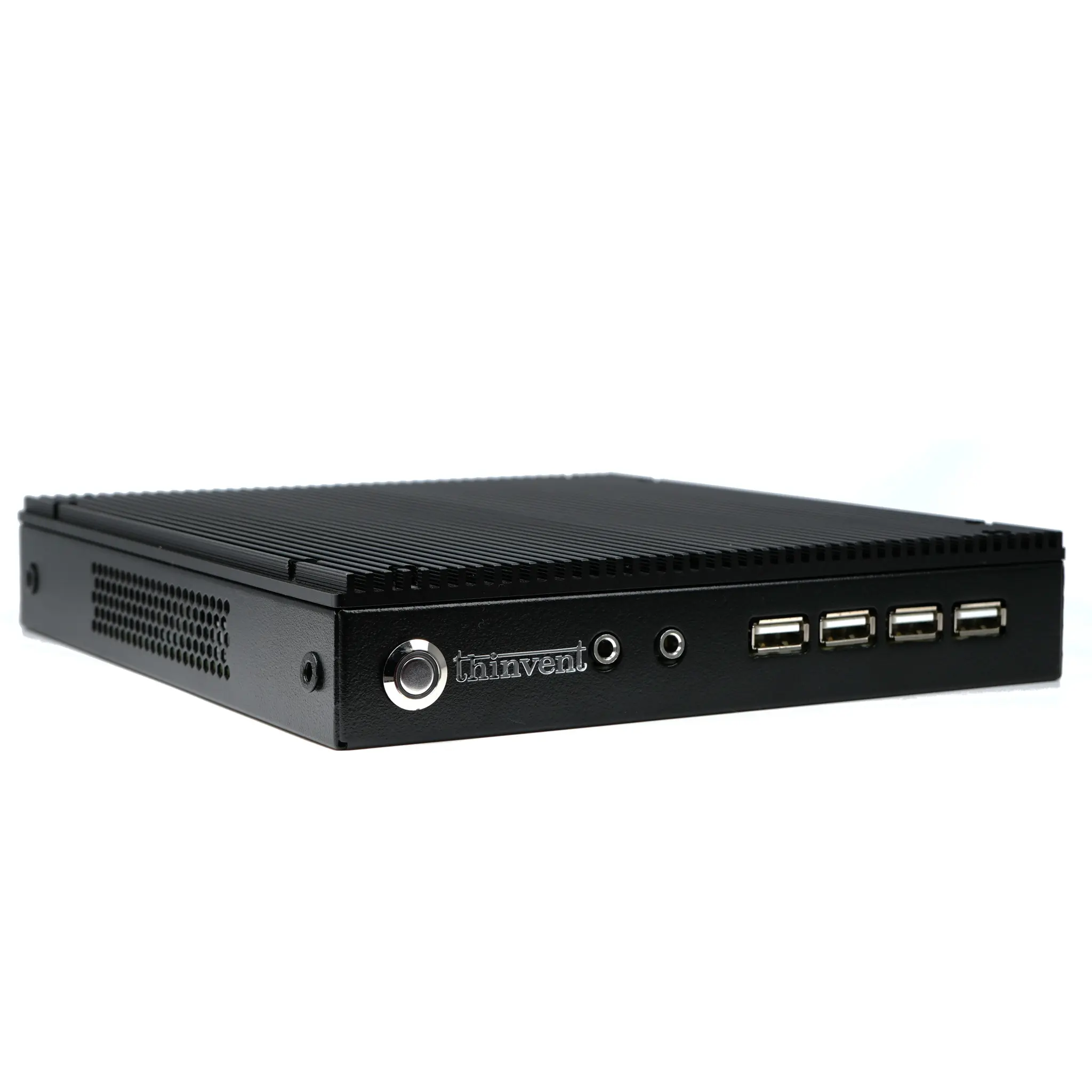
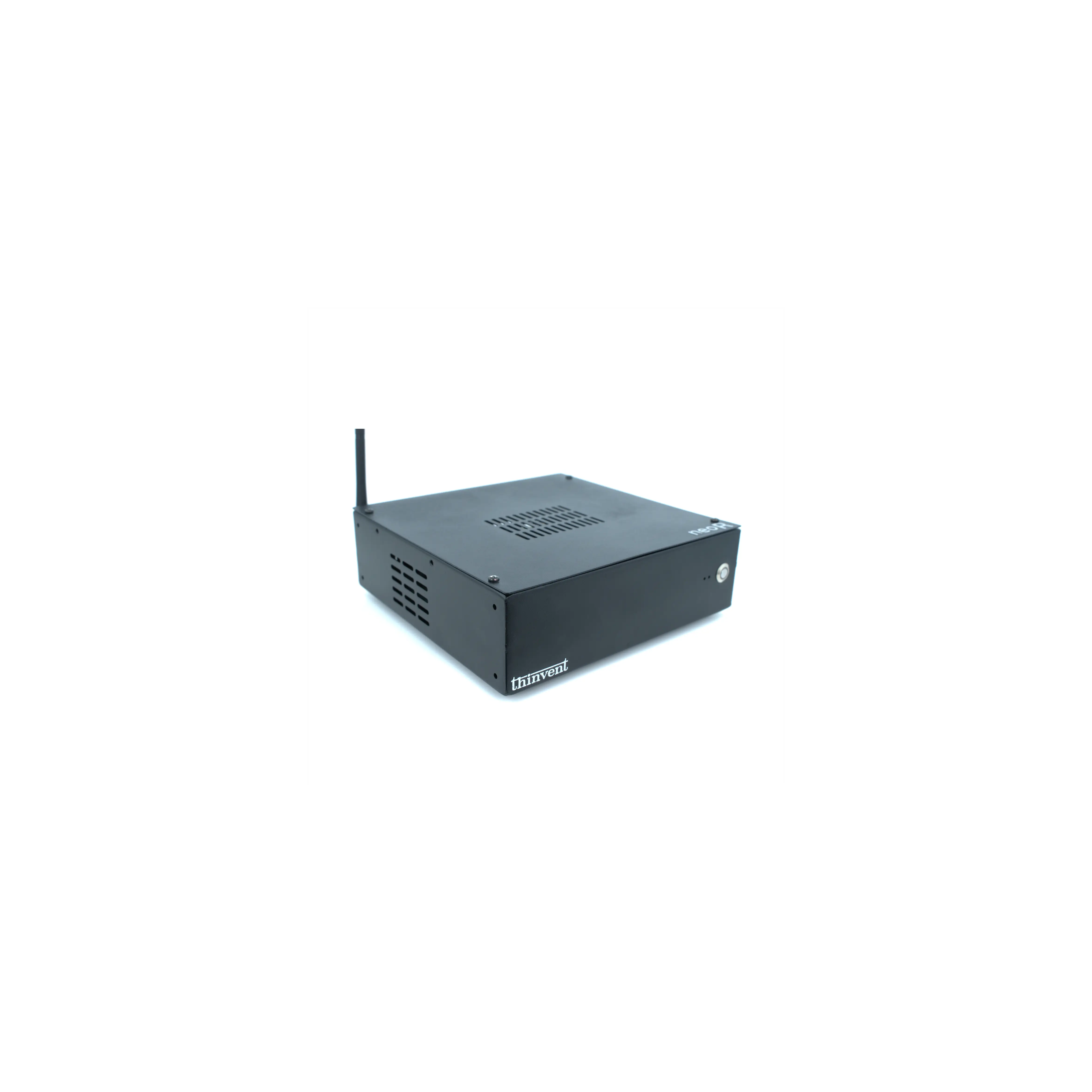
Thinvent offers a comprehensive portfolio of compact Mini PCs engineered for reliability and space efficiency. Our Micro Series, featuring ARM Cortex processors, is the epitome of energy-efficient, fanless computing for digital signage and thin client deployments. For more demanding industrial and commercial applications, the IPC Series and Aero Mini PC line deliver robust performance with Intel Core processors, capable of running full operating systems like Windows 11 Pro or Ubuntu Linux. The Treo Mini PC series, powered by the efficient Intel Processor N100, provides an excellent balance of performance and power savings for a variety of light to medium workloads. All Thinvent Mini PCs are built for 24/7 operation, offering a reliable, compact computing solution for global businesses.