What Are Dual CPU Systems?
A dual CPU system, also known as a dual-socket system, is a computer equipped with two separate physical processors (CPUs) on a single motherboard. This architecture is fundamentally different from a multi-core single CPU. While a single CPU may have multiple cores (e.g., 4, 6, 10, 12), a dual CPU configuration doubles the total number of available cores, threads, cache memory, and memory channels. This design is engineered for maximum parallel processing power, making it ideal for applications where raw computational throughput, data handling capacity, and extreme multitasking are non-negotiable.
Key Specifications and Technical Advantages
The primary advantage of a dual CPU setup is a massive increase in core and thread count. For instance, two Intel Xeon processors can provide 16, 24, or even more physical cores and double the logical threads compared to a single CPU. This directly translates to superior performance in multi-threaded workloads. These systems also support significantly more RAM, often across eight or more memory channels, allowing for terabytes of ECC (Error-Correcting Code) memory—critical for data integrity in enterprise environments. Furthermore, they offer expanded PCIe lanes for adding numerous high-speed expansion cards like GPUs, network adapters, and storage controllers.
Applications and Use Cases
Dual CPU computers are not for everyday computing; they are specialized tools for demanding professional and industrial environments. Common applications include:
-
High-Performance Computing (HPC) & Scientific Simulation: Running complex computational models in engineering, financial analysis, and research.
-
Virtualization Servers: Hosting dozens of virtual machines (VMs) for data centers, development, and testing.
-
Media Rendering & 3D Animation Farms: Drastically reducing render times for video production and CGI.
-
Database & Enterprise Servers: Managing large-scale SQL, NoSQL, and ERP systems that require immense parallel data processing.
-
AI/ML Development: Training machine learning models where parallel processing accelerates iteration cycles.
Comparison: Dual CPU vs. High-Core Single CPU
| Feature | Dual CPU System | High-Core Single CPU System |
|---|---|---|
| Total Core/Thread Count | Very High (e.g., 16-48 cores) | High (e.g., 8-24 cores) |
| Memory Capacity & Channels | Maximum (TB-range, 8+ channels) | High (GB-range, 2-4 channels) |
| PCIe Lane Availability | Extensive (80+ lanes) | Standard (16-20 lanes) |
| Primary Use Case | Data centers, heavy virtualization, scientific computing | Workstations, content creation, moderate server loads |
| Power Consumption & Cost | Higher | Lower |
Thinvent's Dual CPU Solutions
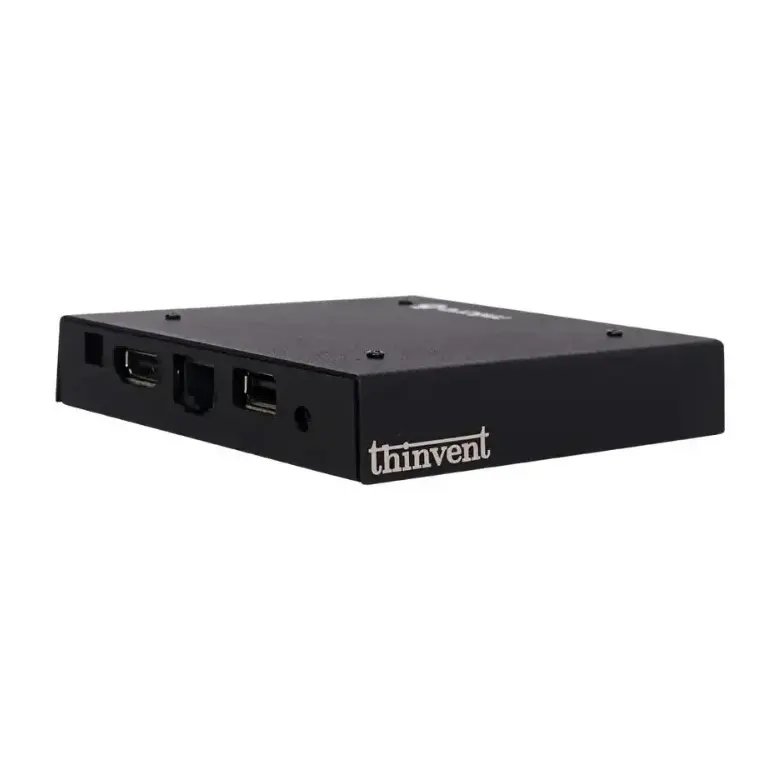
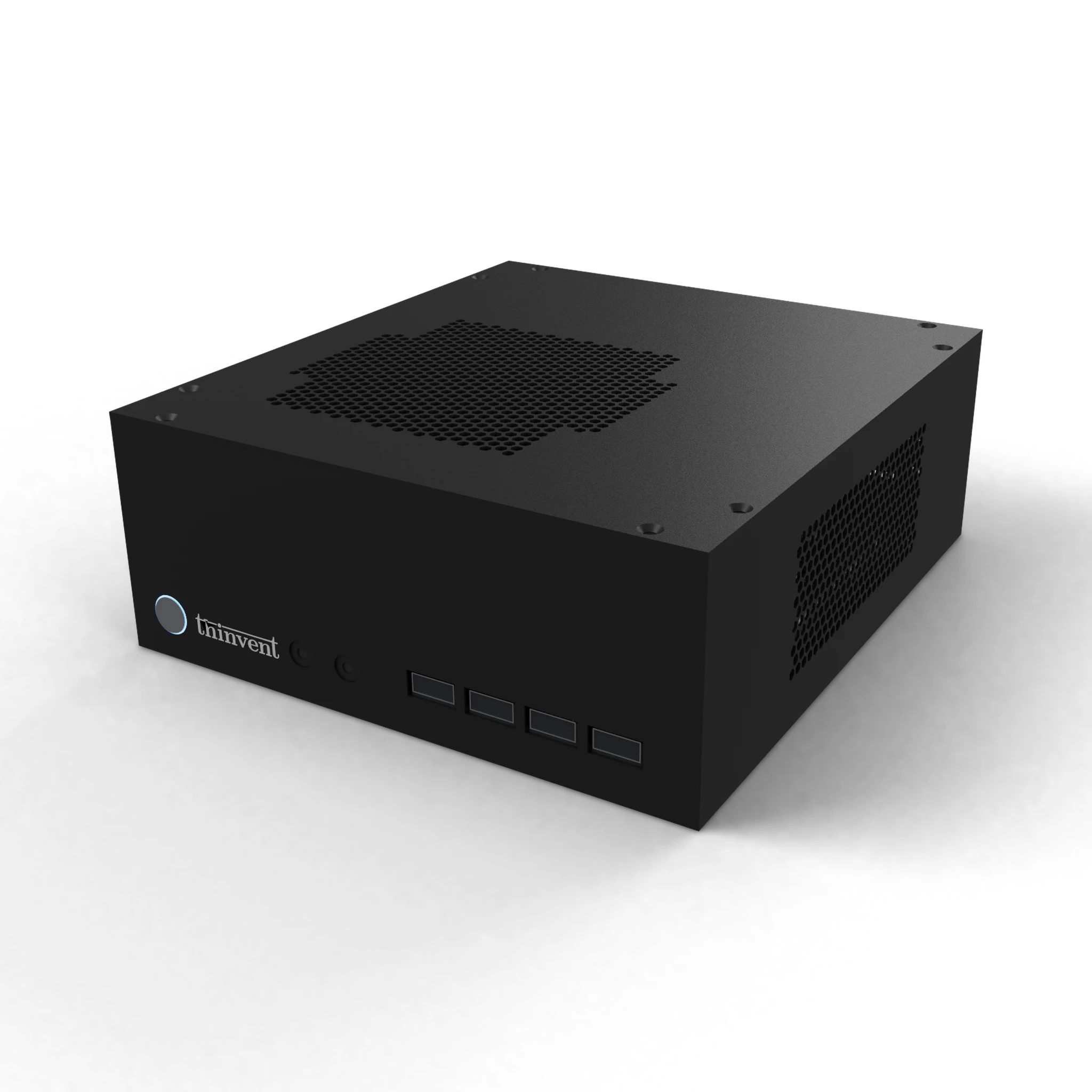
Thinvent offers robust industrial-grade computing solutions designed for reliability in challenging environments. While our standard product lines feature efficient, fanless designs with Intel Core and Celeron processors, we engineer custom systems to meet specific client requirements. For applications demanding the unparalleled parallel processing power of a dual CPU architecture—such as embedded server nodes, industrial automation controllers, or ruggedized field servers—Thinvent can develop tailored solutions. Our expertise in creating stable, long-lifecycle systems ensures that even the most demanding dual CPU configurations deliver the performance and reliability our global industrial customers depend on.