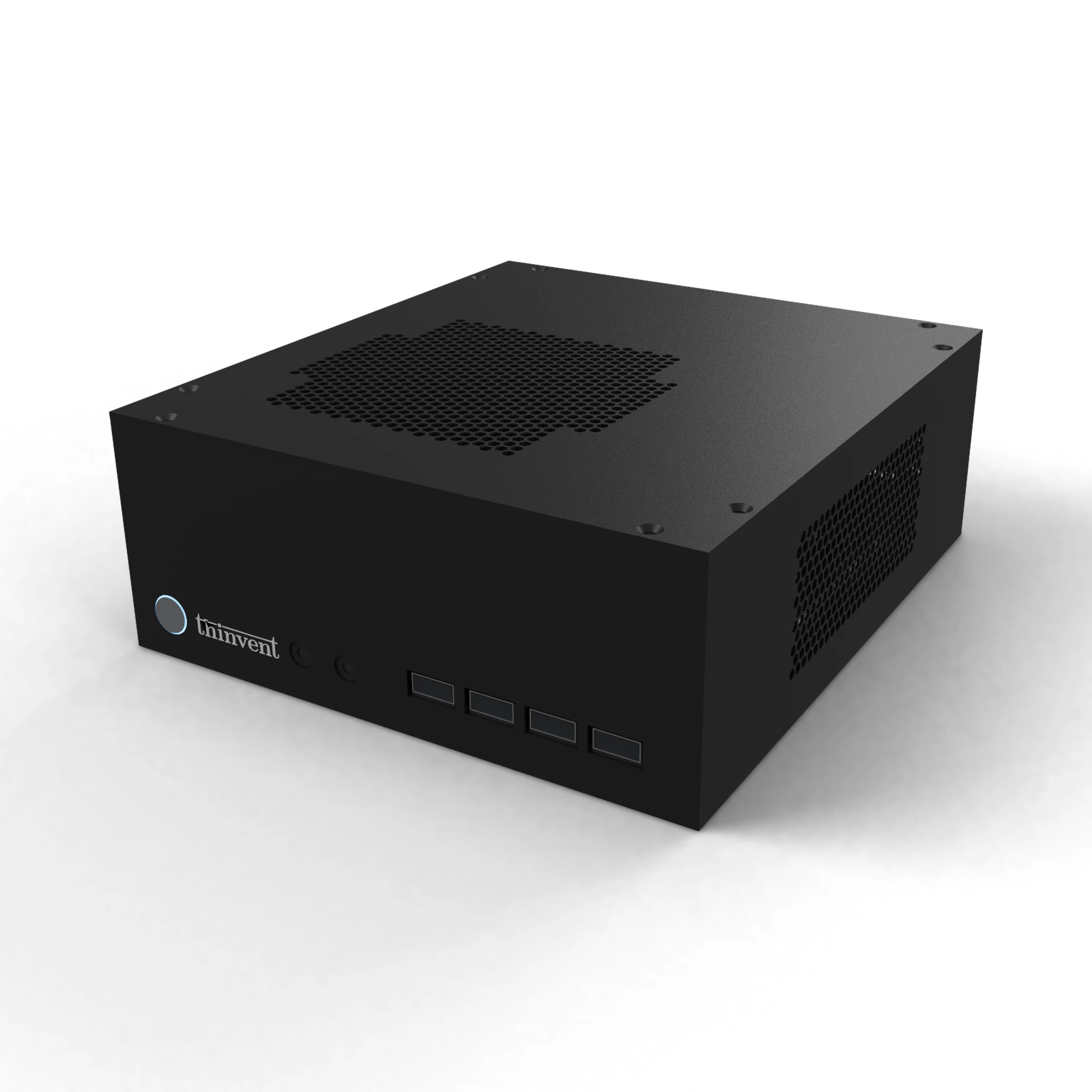
What Are Fanless Mini PCs?
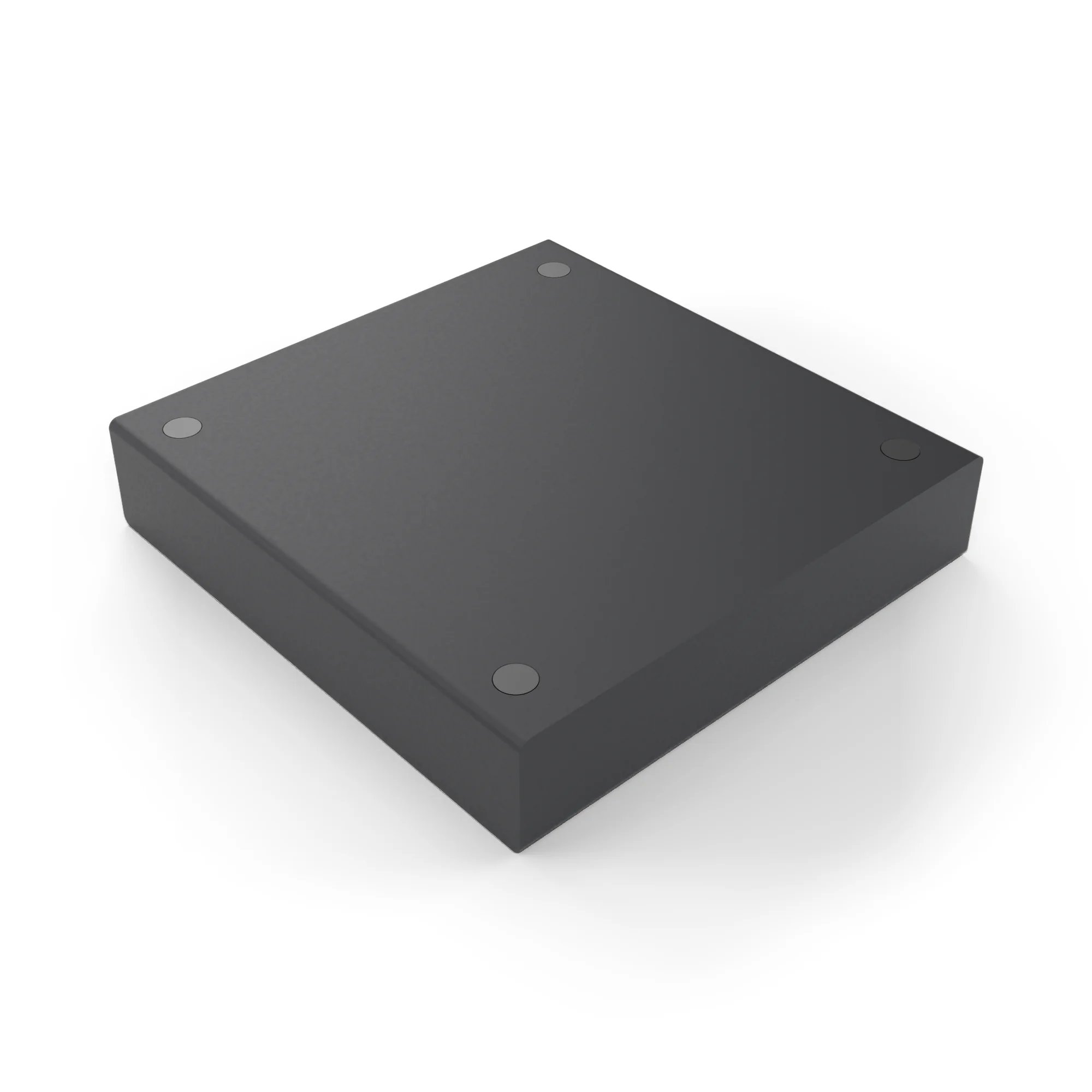
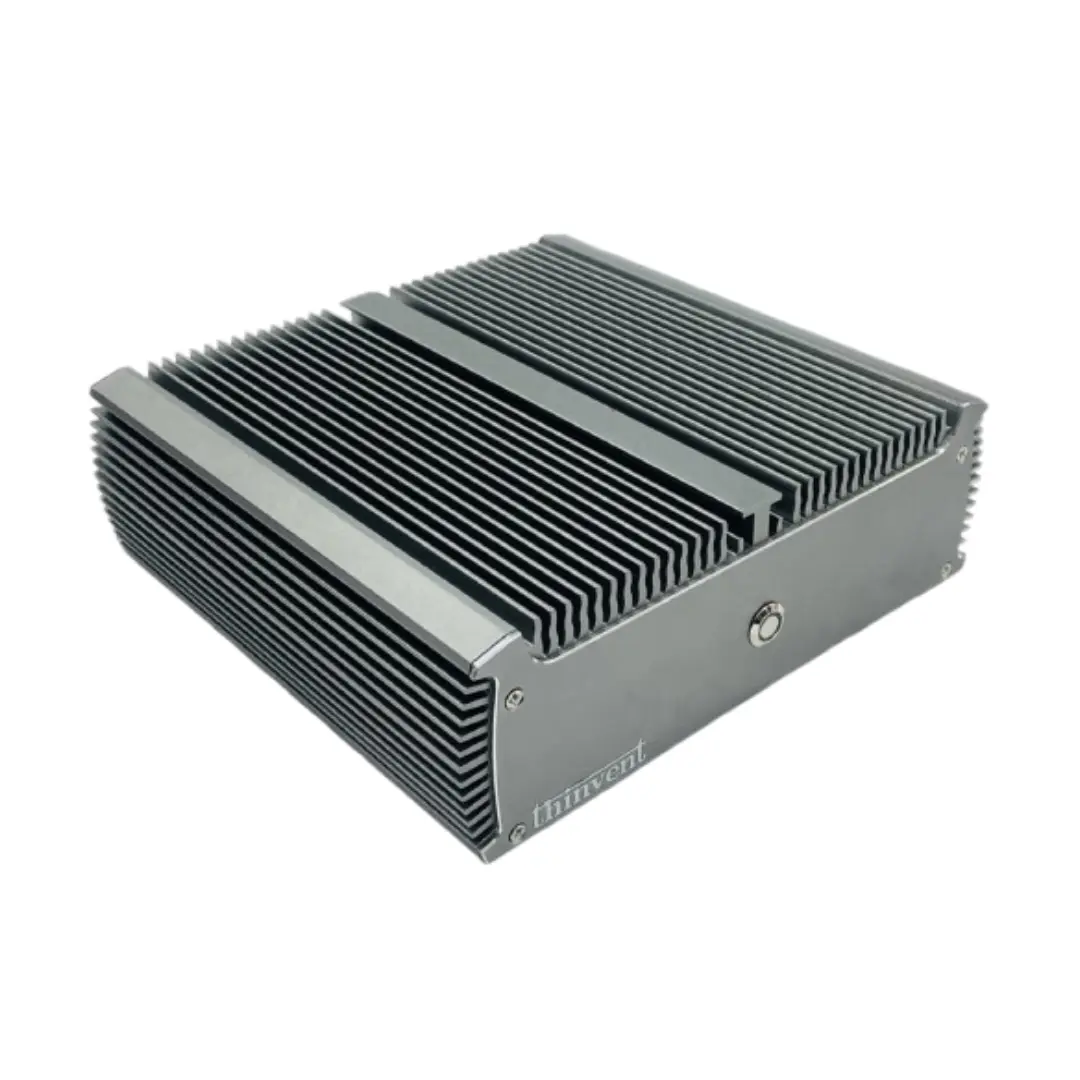
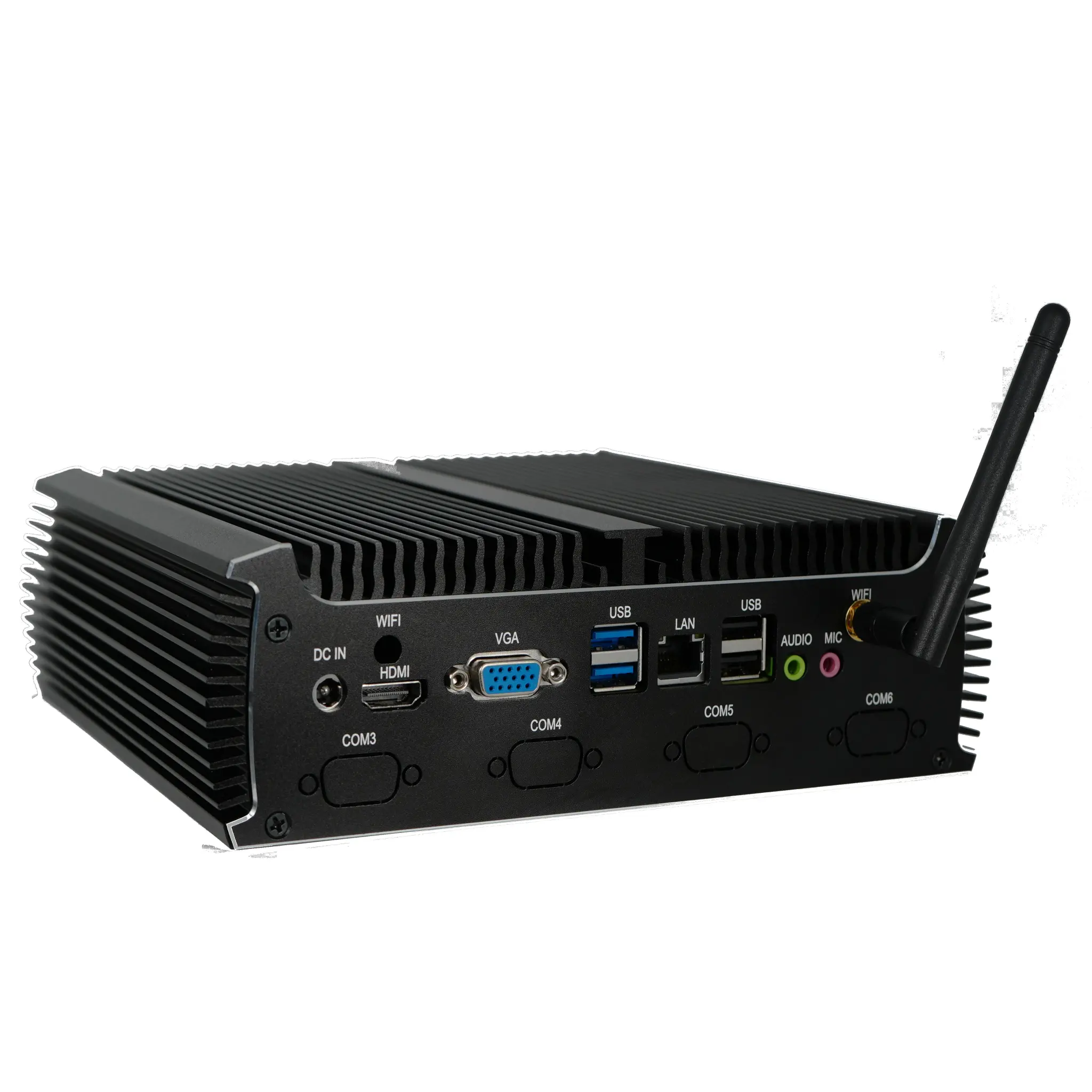
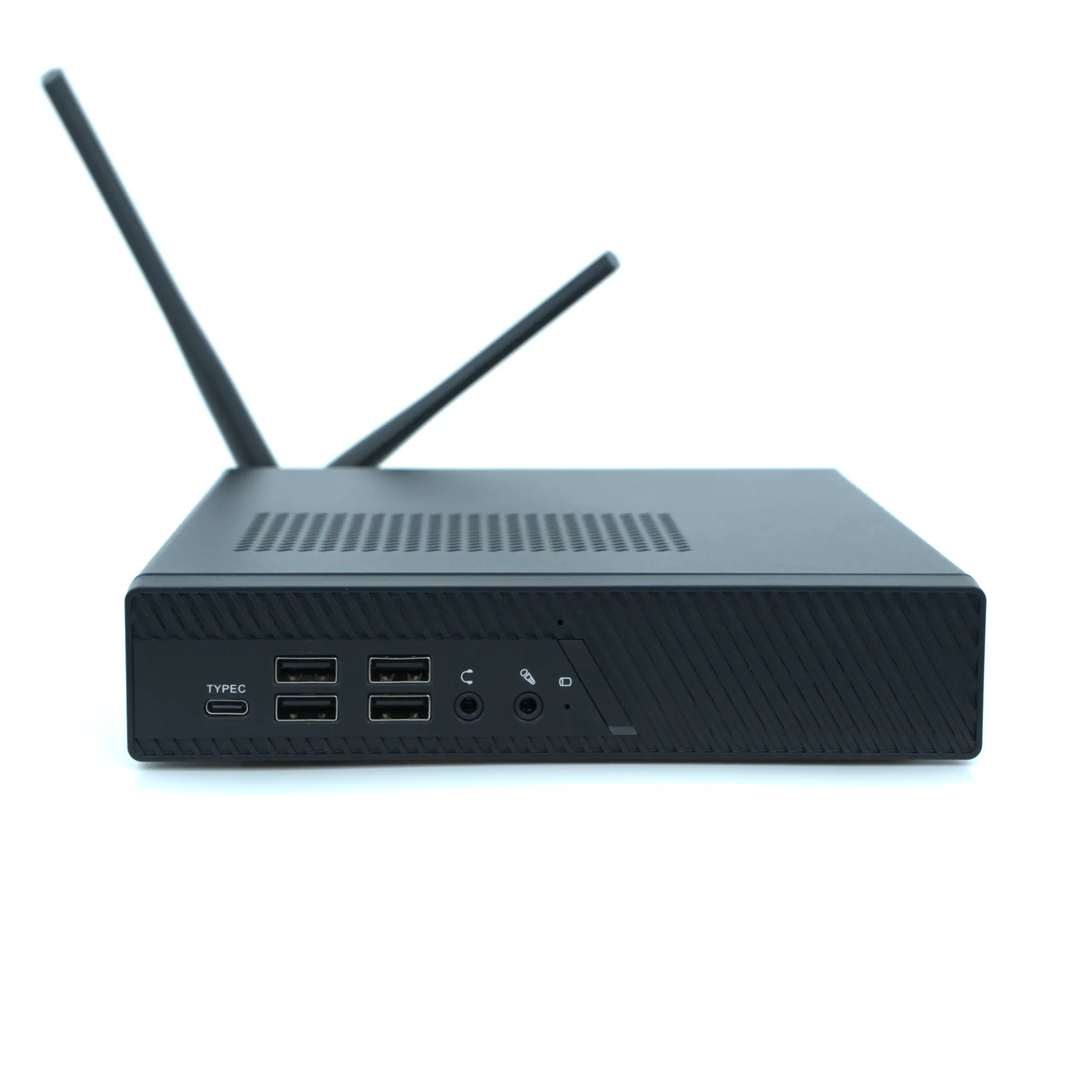
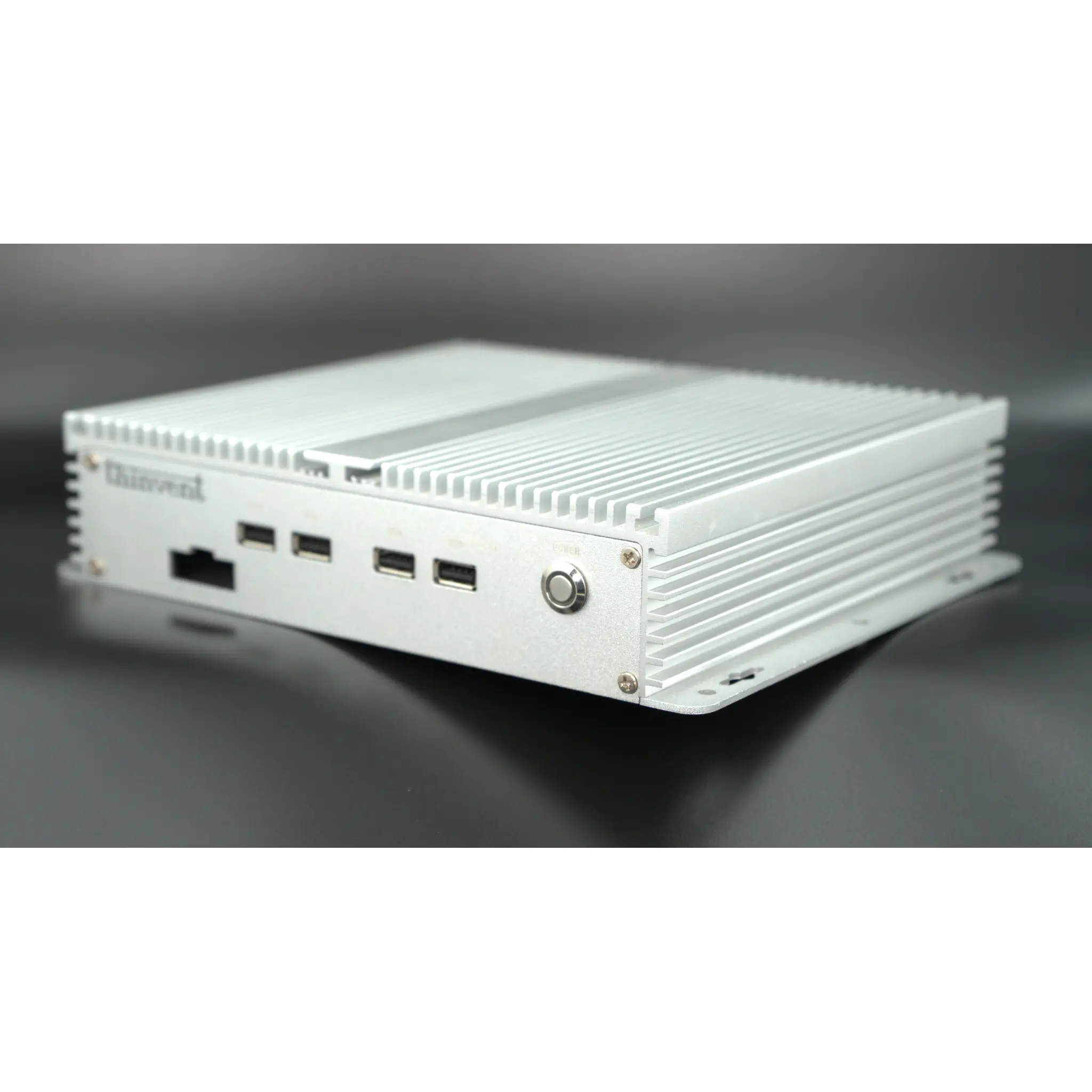
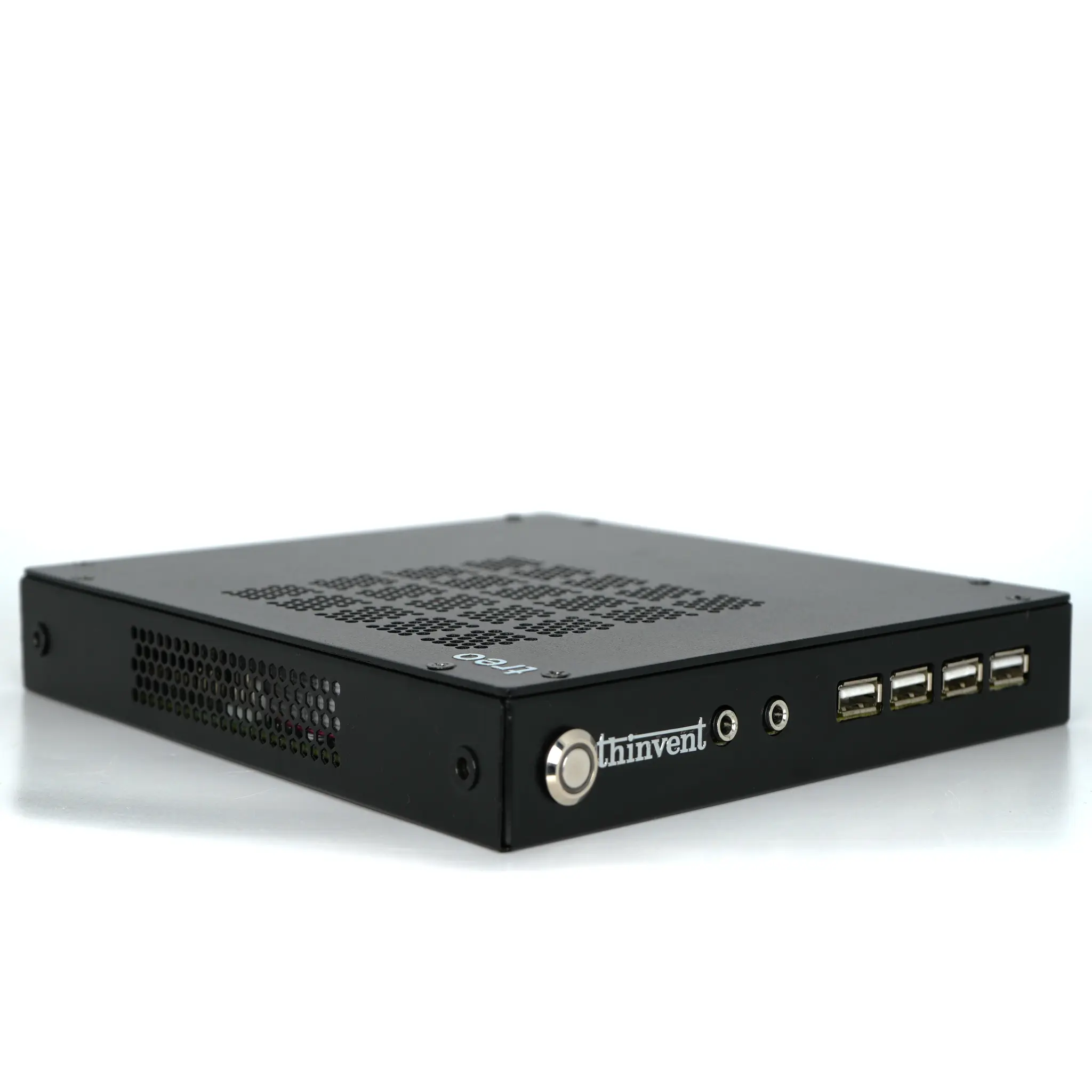
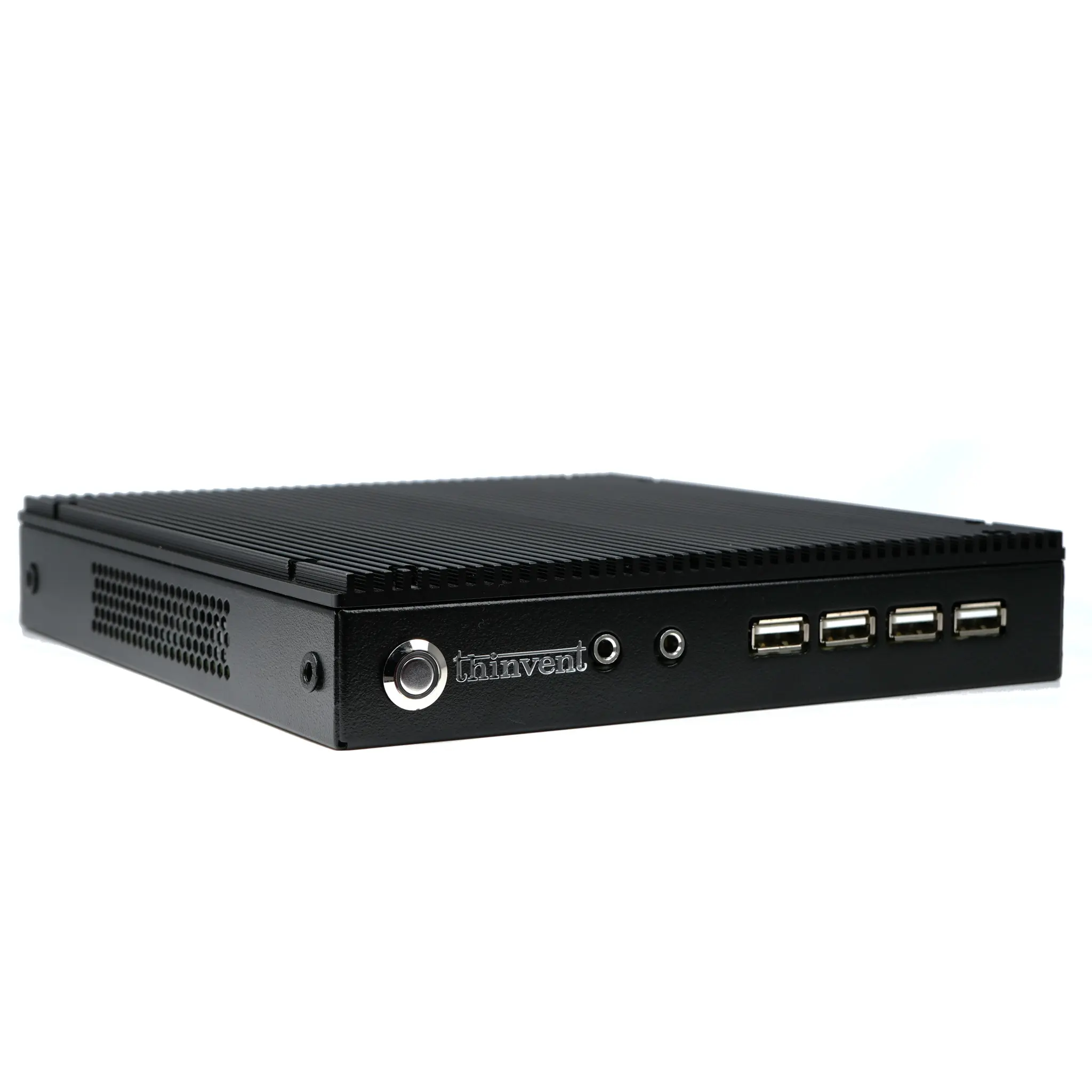
Fanless Mini PCs are compact, solid-state computing systems designed to operate without internal cooling fans. They rely on passive cooling techniques, such as heat sinks and thermally conductive chassis, to dissipate heat. This design eliminates moving parts, making them exceptionally reliable, silent, and resistant to dust and debris. These systems are engineered for continuous operation in demanding environments where traditional computers with fans would be prone to failure.
Key Specifications and Technical Advantages
The core appeal of fanless mini PCs lies in their robust specifications tailored for durability. Common features include low-power, high-efficiency processors (like Intel's N-series), ample DDR4 RAM (typically 8GB to 16GB), and fast SSD storage. Their fanless architecture allows for a wide operating temperature range, often from -20°C to 60°C. Key technical benefits include:
-
Zero Noise: Perfect for quiet environments like libraries, medical facilities, or digital signage.
-
High Reliability: No fan failure points, leading to higher Mean Time Between Failures (MTBF).
-
Dust & Debris Resistance: Sealed design protects internal components in industrial settings.
-
Low Power Consumption: Energy-efficient processors reduce operational costs and heat output.
-
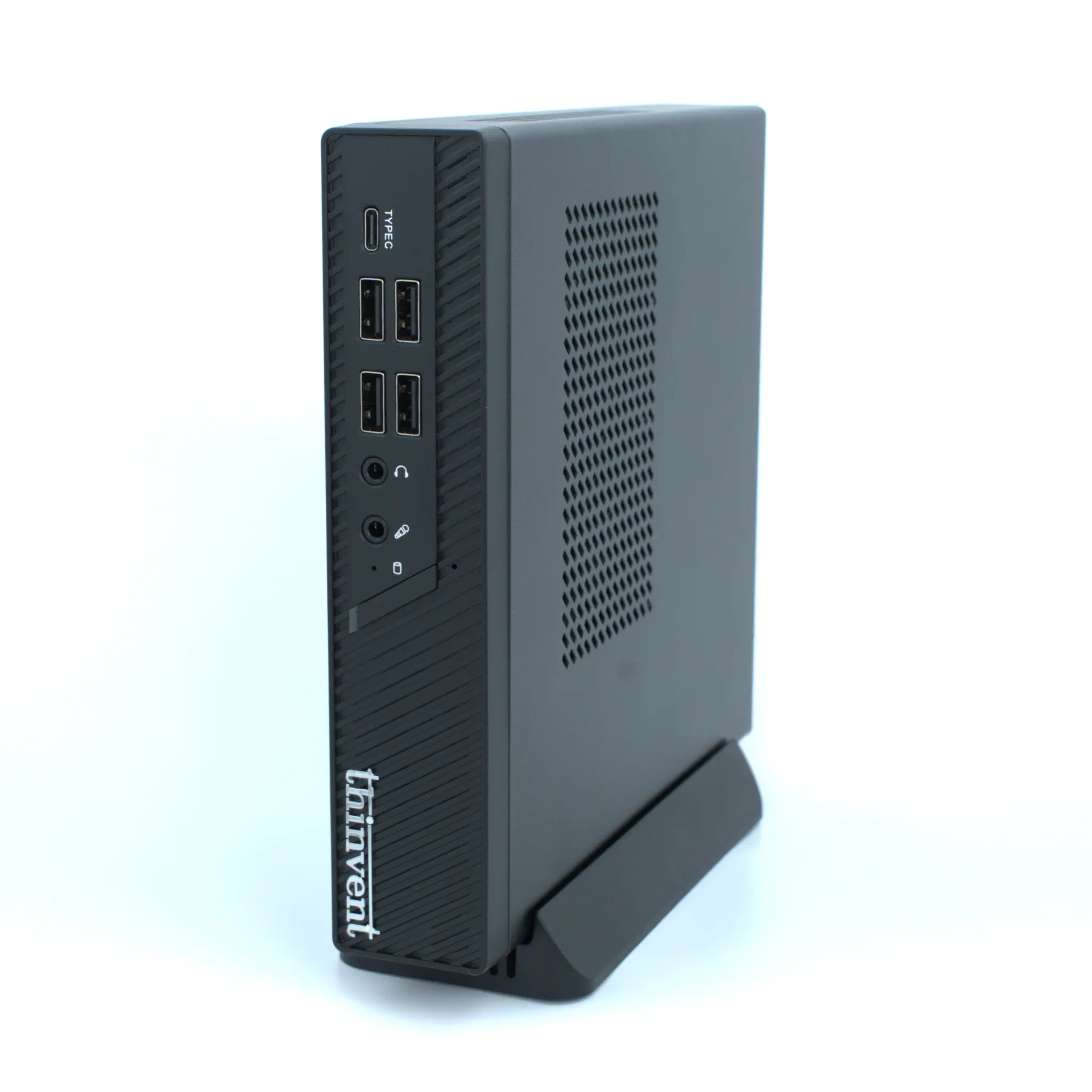
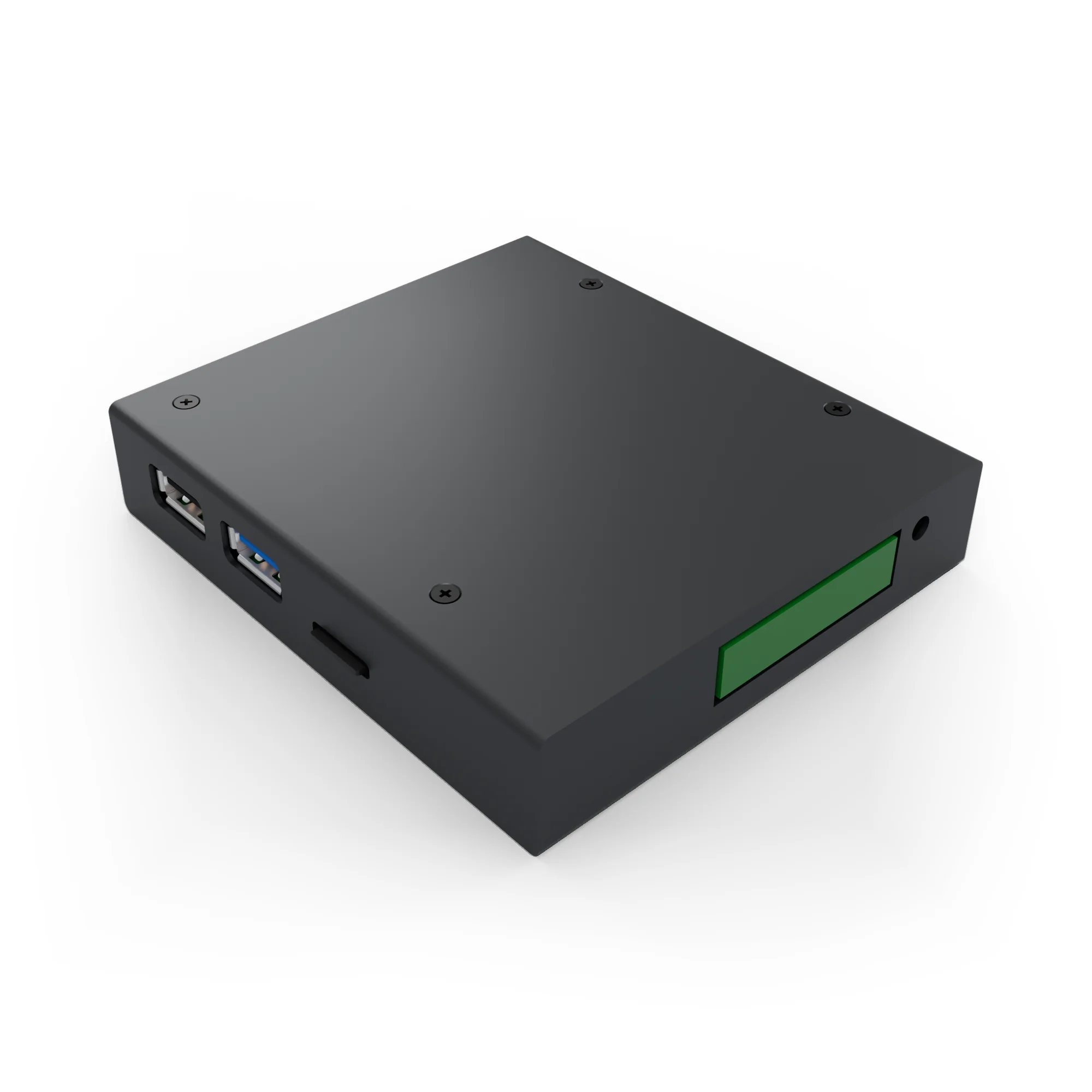
Rich I/O: Multiple USB ports (including USB 3.2), HDMI outputs, and Gigabit Ethernet are standard for connectivity.
Ideal Use Cases and Applications
Due to their rugged and silent nature, fanless mini PCs are deployed across various sectors:
-
Industrial Automation: As PLCs, HMIs, or control units on factory floors.
-
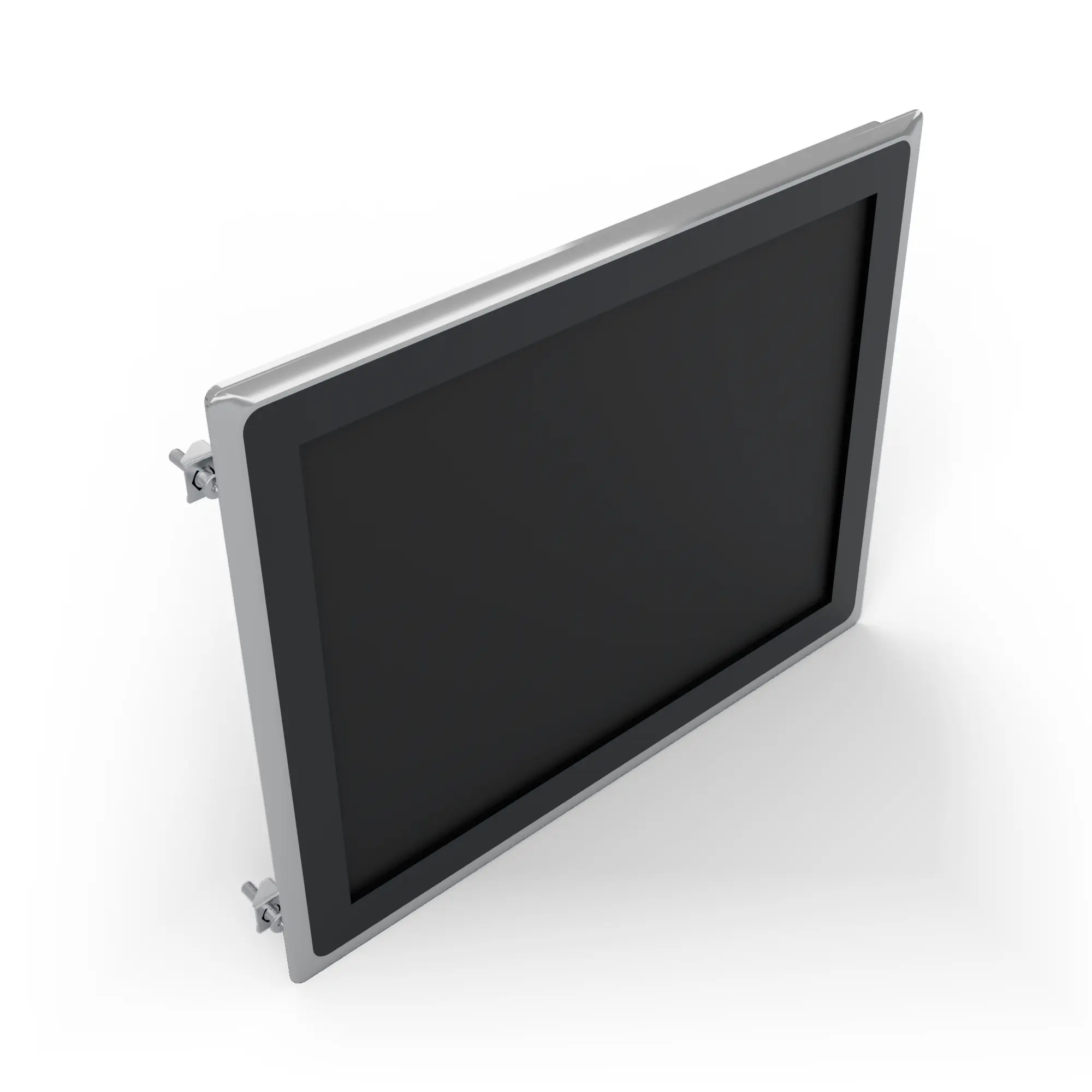
Digital Signage & Kiosks: Powering displays in retail, transportation hubs, and public spaces.
-
Thin Clients & VDI: Centralized computing endpoints for offices and call centers.
-
Edge Computing: Data processing in IoT networks, retail POS systems, and surveillance.
-
Healthcare & Laboratory: Running diagnostic equipment or patient information systems where silence is critical.
Comparison: Fanless vs. Traditional Mini PCs
| Feature | Fanless Mini PC | Traditional Mini PC (with Fan) |
|---|---|---|
| Cooling | Passive (Heat Sinks) | Active (Internal Fan) |
| Noise Level | Silent | Audible Fan Noise |
| Dust Resistance | High (Sealed Design) | Moderate (Vents for Airflow) |
| Operating Temp Range | Wider (e.g., -20°C to 60°C) | Narrower (typically 0°C to 40°C) |
| Typical Use Case | Harsh, 24/7 Industrial Environments | Office, Home, General Computing |
| MTBF (Reliability) | Generally Higher | Standard |
Thinvent Fanless Mini PC Solutions
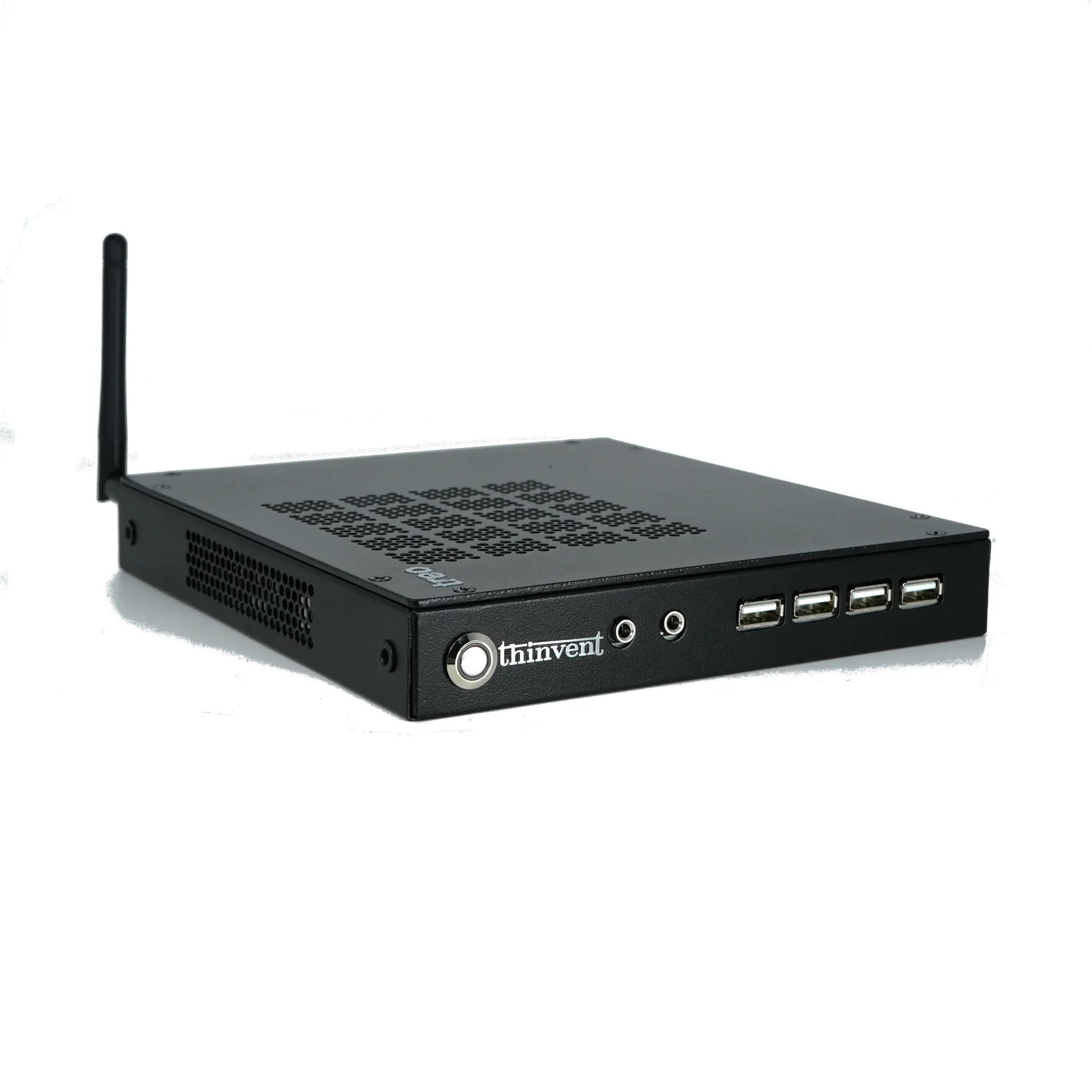
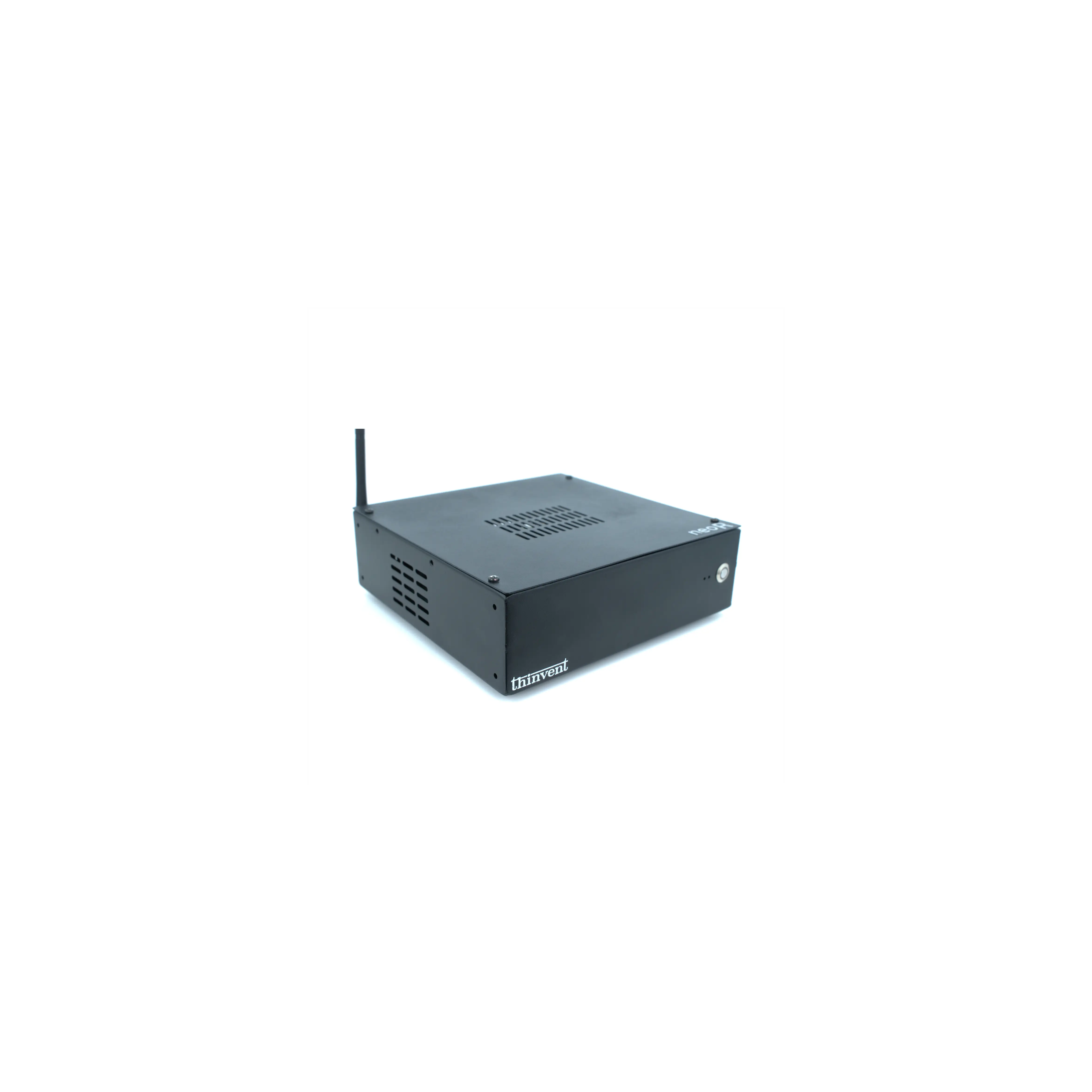
Thinvent specializes in high-performance, reliable fanless industrial computers. Our Aero Mini PC series, for example, features the efficient Intel® processor N100, offering a balance of performance and power efficiency in a completely silent package. These systems come configured with up to 16GB DDR4 RAM, SSD storage, and a choice of operating systems including Windows 11, Ubuntu Linux, or a lightweight embedded OS. Built for global deployment, Thinvent's fanless PCs are ideal for businesses seeking durable, maintenance-free computing solutions for digital signage, industrial control, and edge computing applications.