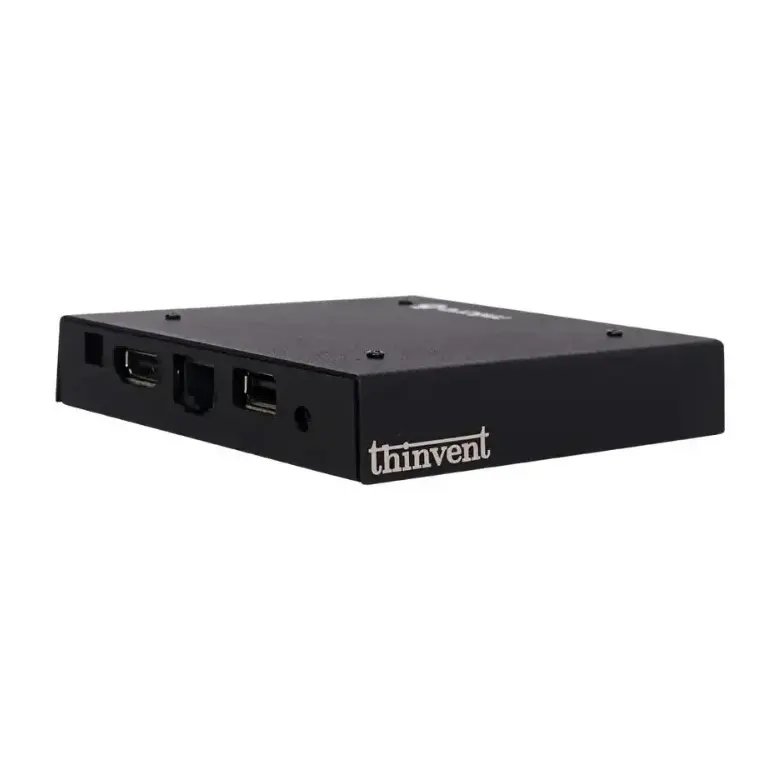
What is an Embedded Box Computer?
An embedded box computer is a compact, self-contained computing system designed for integration into larger equipment or industrial environments. Unlike standard desktop PCs, these systems are built for reliability, long-term operation, and resilience in challenging conditions. They typically feature fanless cooling for silent, maintenance-free operation, wide operating temperature ranges, and robust connectivity options for interfacing with sensors, machinery, and networks.
Key Specifications and Technical Details
Modern embedded computers prioritize efficiency and durability. Core specifications include low-power Intel or ARM processors, such as the Intel N-series, which balance performance with minimal heat output. They are equipped with industrial-grade components, support for wide voltage input (e.g., 9-36V DC), and multiple I/O ports including Gigabit Ethernet, USB, serial (COM), and HDMI/DisplayPort. Storage often involves reliable solid-state drives (SSD) or eMMC, and memory is typically soldered or uses industrial-grade SODIMMs for vibration resistance. A defining feature is the lack of moving parts, achieved through passive heatsink cooling, making them ideal for dusty or particulate-filled environments.
Use Cases and Applications
Embedded box PCs are the backbone of automation and digitalization across industries. Common applications include:
-
Industrial Automation & Control: Acting as a PLC or HMI for controlling machinery on factory floors.
-
Digital Signage & Kiosks: Powering interactive displays in retail, transportation hubs, and public venues.
-
IoT Gateways: Aggregating and processing data from edge sensors in smart city, agriculture, or energy management systems.
-
Machine Vision: Processing image data for quality inspection, robotics guidance, and optical character recognition (OCR).
-
Transportation & Logistics: Used in fleet management, onboard vehicle computers, and warehouse automation.
Comparison of Common Embedded Processor Types
| Feature | Intel N-Series (e.g., N100) | Intel Core i-Series (e.g., i3/i5) | ARM-based Processors |
|---|---|---|---|
| Power Profile | Ultra-low power (6-10W TDP) | Low to moderate power (15-28W TDP) | Extremely low power |
| Performance | Efficient for basic computing & I/O tasks | High performance for complex processing | Optimized for specific workloads |
| Heat Output | Very low, ideal for fanless designs | Moderate, may require active cooling in compact designs | Minimal |
| Typical Use | Lightweight gateways, digital signage, thin clients | Machine vision, edge analytics, advanced HMIs | Fixed-function devices, dedicated IoT nodes |
| OS Support | Windows, Linux | Windows, Linux | Primarily Linux |
Thinvent Embedded Box Computer Solutions
Thinvent offers a robust range of fanless embedded box computers engineered for industrial reliability. Our systems, like the Aero Mini PC series, feature efficient Intel processors, wide-temperature operation, and multiple mounting options for seamless integration. We provide flexible configurations with choices in memory, storage, and operating system—including Windows IoT, Windows Pro, and various Linux distributions—to match your specific application requirements. Designed for 24/7 operation in demanding environments, Thinvent embedded computers deliver the durability and consistent performance needed for critical edge computing tasks.