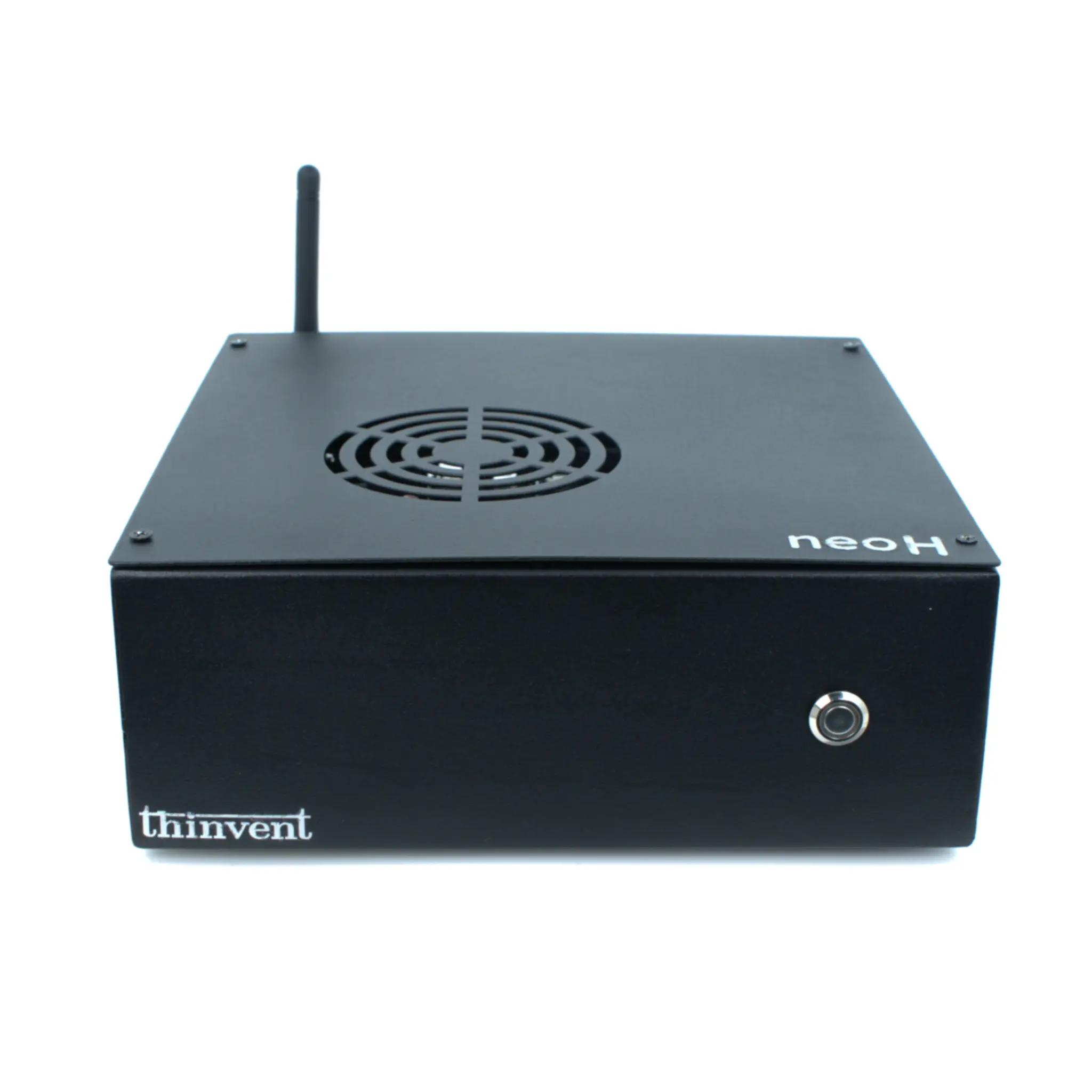
Embedded computer architecture refers to specialized computing systems designed to perform dedicated functions within larger mechanical or electrical systems. Unlike general-purpose PCs, these computers are integrated into devices to control specific operations, often with real-time computing constraints. They are characterized by their compact form factors, low power consumption, robust construction for harsh environments, and long-term reliability. The core architecture typically involves a system-on-chip (SoC) or microprocessor, integrated memory, and I/O interfaces, all optimized for a specific application.
Key Specifications and Technical Details
Modern embedded computers prioritize efficiency and durability. Key specifications include:
-
Processors: Low-power, fanless CPUs from Intel's N-series (e.g., N100) or ARM architectures are common, balancing performance with thermal efficiency.
-
Memory & Storage: Utilizes soldered or socketed DDR4/DDR5 RAM and reliable, often industrial-grade, solid-state storage (SSD or eMMC) to withstand vibration and temperature fluctuations.
-
Form Factors: Designs include Mini PCs, Panel PCs, and ruggedized boxes that support DIN-rail or VESA mounting for easy integration.
-
Connectivity: Features multiple Ethernet ports (often with PoE), serial ports (RS-232/485), USB, and expansion slots for fieldbus cards (CAN, PROFINET).
-
Operating Systems: Run lightweight, real-time, or embedded OS versions like Windows IoT, Embedded Linux (Ubuntu LTS, Yocto), or FreeRTOS.
Applications and Use Cases
Embedded computers are the backbone of automation and IoT. Primary applications include:
-
Industrial Automation: PLCs, HMIs, machine vision, and robotic control.
-
Digital Signage & Kiosks: Powering interactive displays in retail, transportation, and public venues.
-
Edge Computing & IoT Gateways: Collecting, processing, and transmitting data from sensors at the network edge.
-
Transportation Systems: In-vehicle infotainment, fleet management, and railway control systems.
-
Medical Devices: Imaging equipment, patient monitors, and diagnostic tools.
Comparison: Embedded vs. Traditional Industrial PCs
| Feature | Embedded Computer | Traditional Industrial PC |
|---|---|---|
| Primary Design Goal | Dedicated function, integration | General-purpose computing, flexibility |
| Form Factor | Compact, fanless, rugged | Larger, may include fans, modular |
| Power Consumption | Very Low (often < 25W) | Moderate to High |
| Operating Temperature | Wide range (e.g., -20°C to 70°C) | Standard or moderate range |
| Real-Time Performance | Often a core requirement | May require additional hardware/software |
| Lifecycle & Support | Long-term availability (5-10+ years) | Standard commercial lifecycle |
Thinvent Embedded Computing Solutions
Thinvent offers a comprehensive range of robust embedded computers engineered for demanding environments. Our product lines, such as the Aero Mini PC series, exemplify modern embedded architecture with fanless, compact designs powered by efficient Intel processors. These systems are built for 24/7 operation and support a variety of operating systems, including Windows IoT and Embedded Linux, making them ideal for automation, digital signage, and edge computing applications. Explore our catalog to find the perfect embedded solution for your specific industrial challenge.