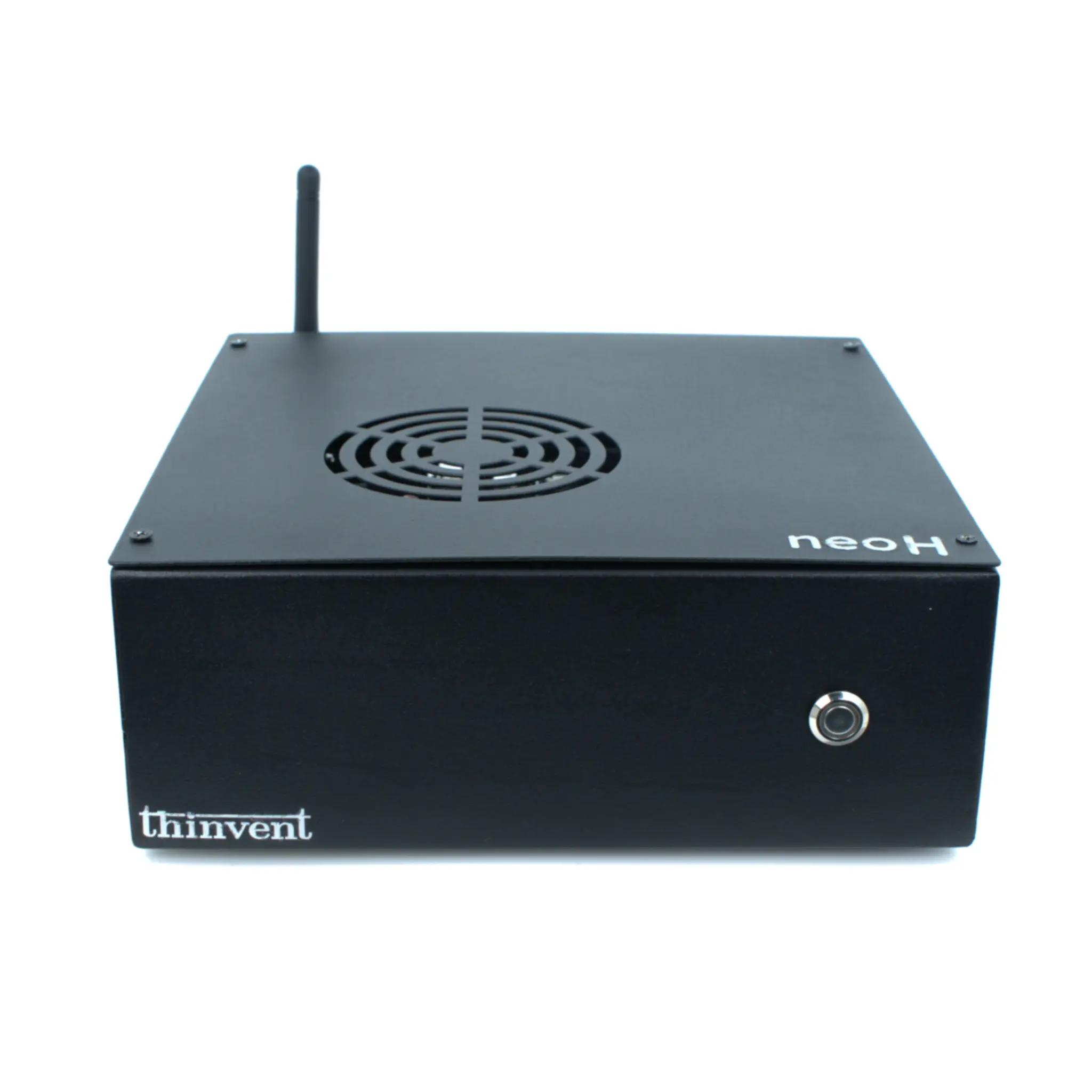
Embedded systems are specialized computing platforms designed to perform dedicated functions within larger mechanical or electrical systems. Unlike general-purpose computers, they are optimized for reliability, real-time operation, and long-term stability in challenging environments. Key manufacturers produce systems with a focus on ruggedness, low power consumption, and extended product lifecycles, often utilizing fanless designs for silent and maintenance-free operation. These systems form the computational backbone of modern automation, digital signage, IoT gateways, and interactive kiosks.
The technical foundation of an embedded system is defined by its core components. Processors range from power-efficient ARM architectures, ideal for lightweight tasks and edge computing, to high-performance Intel Core and N-series CPUs for demanding applications. Memory and storage are typically soldered or use industrial-grade modules for enhanced durability. Critical specifications include operating temperature range (often from -20°C to 70°C), wide voltage input support (e.g., 9-36V DC), and rich I/O connectivity such as multiple Ethernet ports, USB, serial COM, and display outputs. These features ensure seamless integration into existing industrial infrastructures.
Common Applications of Embedded Systems:
-
Industrial Automation & Control: PLCs, HMIs, machine vision, and robotics controllers.
-
Digital Signage & Kiosks: Interactive displays, wayfinding, and retail point-of-sale systems.
-
Transportation & Logistics: Fleet management, in-vehicle computing, and baggage handling systems.
-
IoT & Edge Computing: Data acquisition gateways, environmental monitoring, and smart city nodes.
-
Healthcare & Medical Devices: Diagnostic equipment, patient monitoring, and imaging systems.
| Feature | ARM-Based Systems | Intel-Based Systems |
|---|---|---|
| Typical Use Case | Lightweight, headless operations, IoT edge nodes | Performance-intensive applications, multi-display setups |
| Power Profile | Very low power, often passive cooling | Low to moderate power; fanless designs common |
| OS Flexibility | Embedded Linux, RTOS | Windows IoT, Linux, Real-time OS variants |
| I/O & Expandability | Standard ports, limited expansion | Greater expansion potential via PCIe, M.2 slots |
| Performance | Sufficient for dedicated tasks | Higher compute for data processing and analytics |
Thinvent's Range of Embedded Computing Solutions
Thinvent designs and manufactures a comprehensive portfolio of reliable embedded systems tailored for industrial deployment. Our product lines include compact Thin Clients and Mini PCs powered by ARM or Intel N-series processors for cost-sensitive and space-constrained environments. For more demanding computational tasks, our Industrial PCs feature Intel Core i3, i5, and i7 processors with enhanced thermal management and ruggedized construction. Key strengths across all lines include fanless operation for zero noise and dust immunity, wide operating temperature ranges, and support for both commercial and open-source operating systems like Windows IoT and Ubuntu Linux. Whether for a simple digital signage player or a complex automation controller, Thinvent provides scalable, durable hardware built for 24/7 operation.