What is an EN 50155 Computer?
An EN 50155 computer is a ruggedized computing system specifically designed and certified to meet the stringent EN 50155 standard for railway applications. This European norm defines the environmental, electrical, and reliability requirements for electronic equipment used on rolling stock, including trains, trams, and metros. These computers are engineered to withstand the extreme conditions of railway environments, such as wide temperature fluctuations, high levels of shock and vibration, humidity, and unstable power supplies. Compliance with EN 50155 is a critical benchmark for safety and operational continuity in the transportation sector.
Key Specifications and Technical Requirements
EN 50155 certification mandates rigorous testing across several parameters. Key specifications include:
-
Operating Temperature: Must function reliably across an extended range, typically from -40°C to +70°C.
-
Power Supply Input: Must tolerate a wide input voltage range (e.g., 24V DC nominal with surges and drops) and include protection against over-voltage, under-voltage, and reverse polarity.
-
Shock and Vibration: Designed to endure high levels of mechanical stress as defined by standards like IEC 61373.
-
EMC/EMI: Must exhibit high immunity to electromagnetic interference and not emit disruptive emissions, ensuring stable operation near powerful motors and communication systems.
-
Reliability & MTBF: Often designed for high Mean Time Between Failures (MTBF) and feature fanless, solid-state construction to eliminate moving parts and dust ingress.
Applications and Use Cases
EN 50155 certified computers are indispensable for onboard systems where failure is not an option. Primary use cases include:
-
Train Control and Management Systems (TCMS): The central nervous system for monitoring and controlling train functions.
-
Passenger Information Systems (PIS): Driving displays for real-time passenger announcements, route maps, and safety information.
-
Video Surveillance (CCTV): Recording and managing onboard security camera feeds.
-
Diagnostics and Condition Monitoring: Collecting and processing data from various sensors for predictive maintenance.
-
Onboard Entertainment and Wi-Fi Gateways: Providing connectivity and media services to passengers.
Comparison of Common Railway Computer Form Factors
Different applications require different balances of performance, size, and power.
| Feature | Thin Client / Mini PC (ARM) | Industrial Mini PC (x86) | High-Performance Industrial PC (x86) |
|---|---|---|---|
| Typical Processor | ARM Cortex-A53/A55 | Intel Processor N100, Intel Core i3 | Intel Core i5/i7, 12th/14th Gen |
| Best For | Display-centric tasks, signage, lightweight gateways | General computing, diagnostics, multi-interface control | Data-intensive processing, advanced TCMS, AI analytics |
| Power Consumption | Very Low (5V-12V) | Low to Moderate | Moderate to High |
| Performance Profile | Efficient, low-heat | Balanced performance & efficiency | High computational power |
| Example Use Case | Driving a single PIS display | Onboard server for Wi-Fi/CCTV | Centralized train control unit |
Thinvent's EN 50155 Certified Computing Solutions
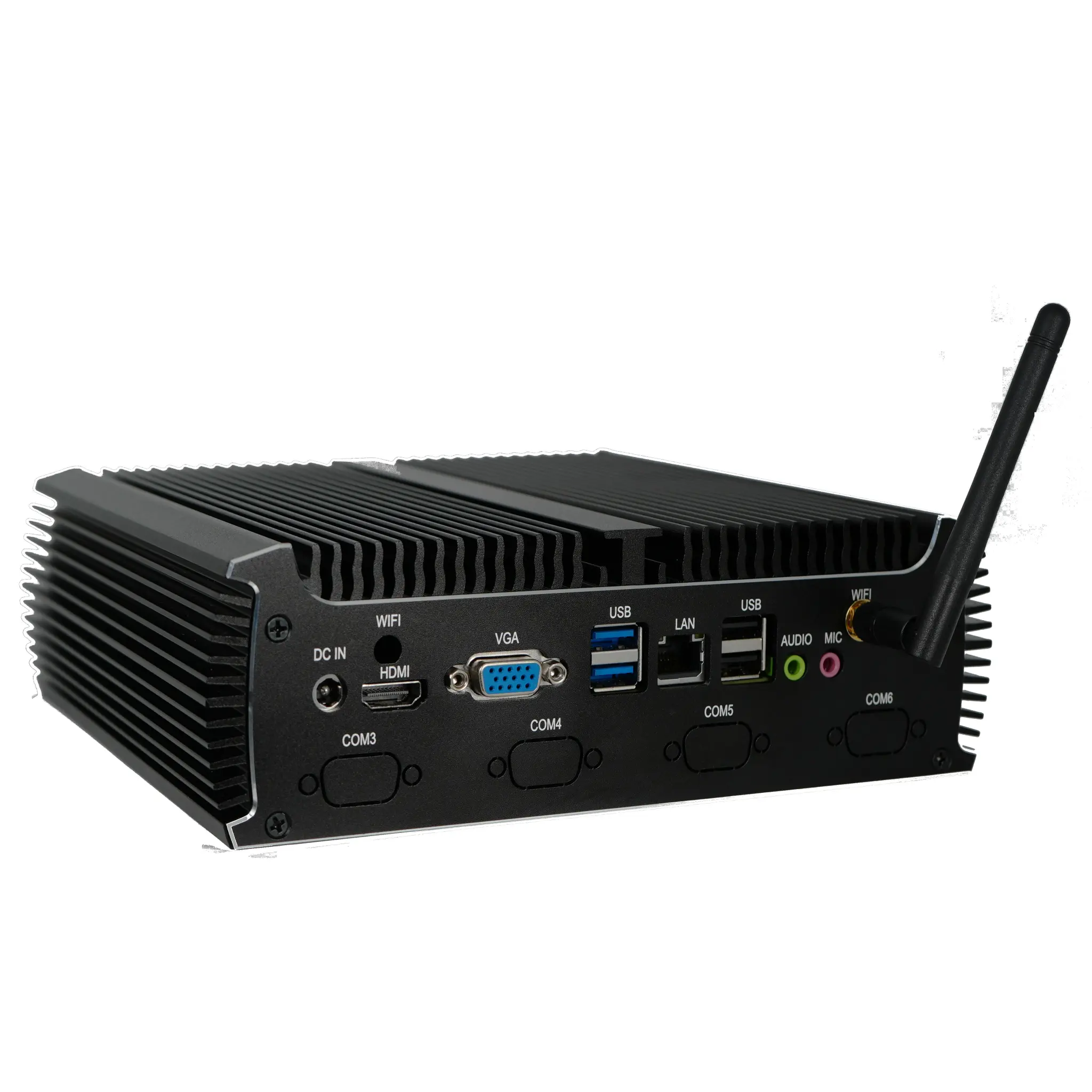
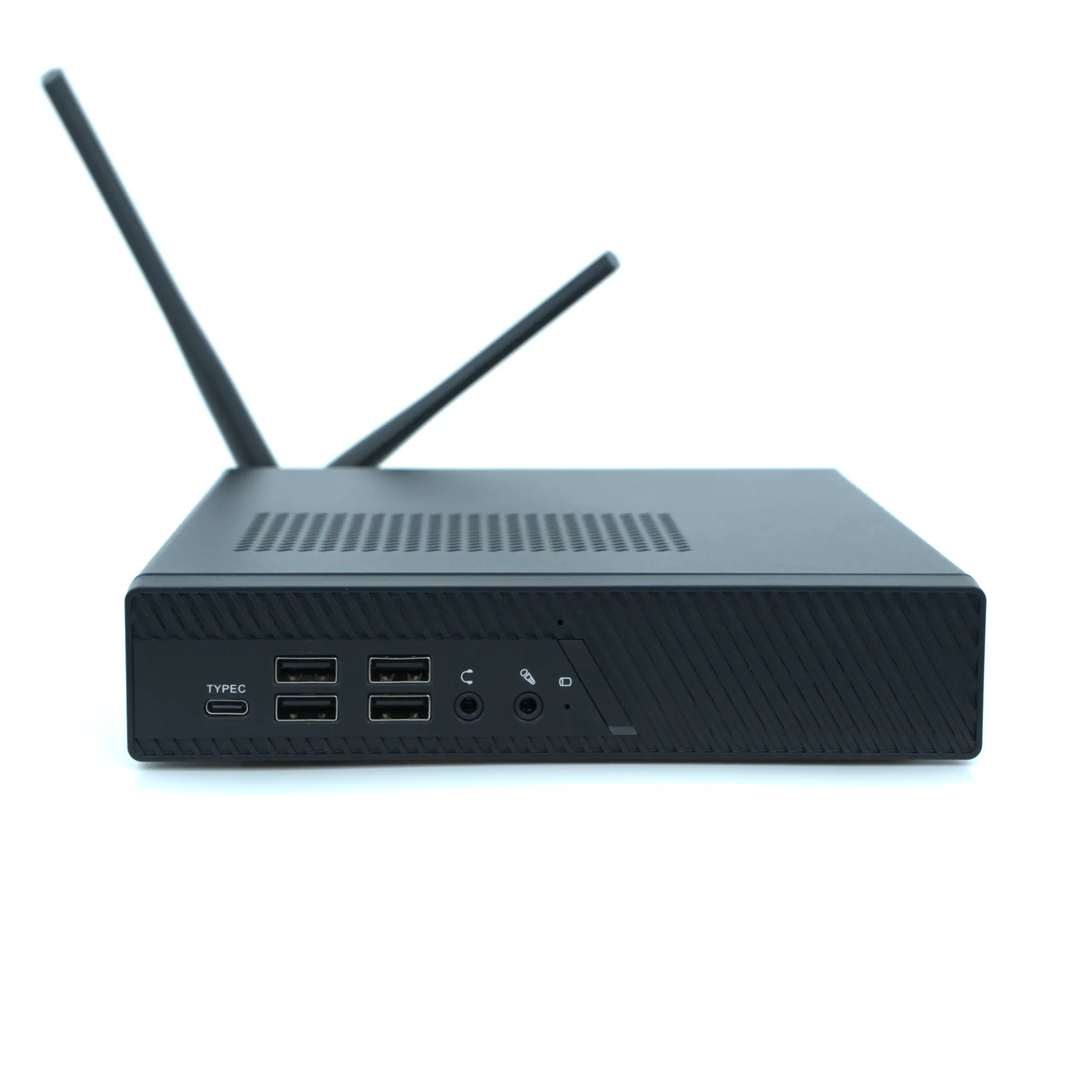
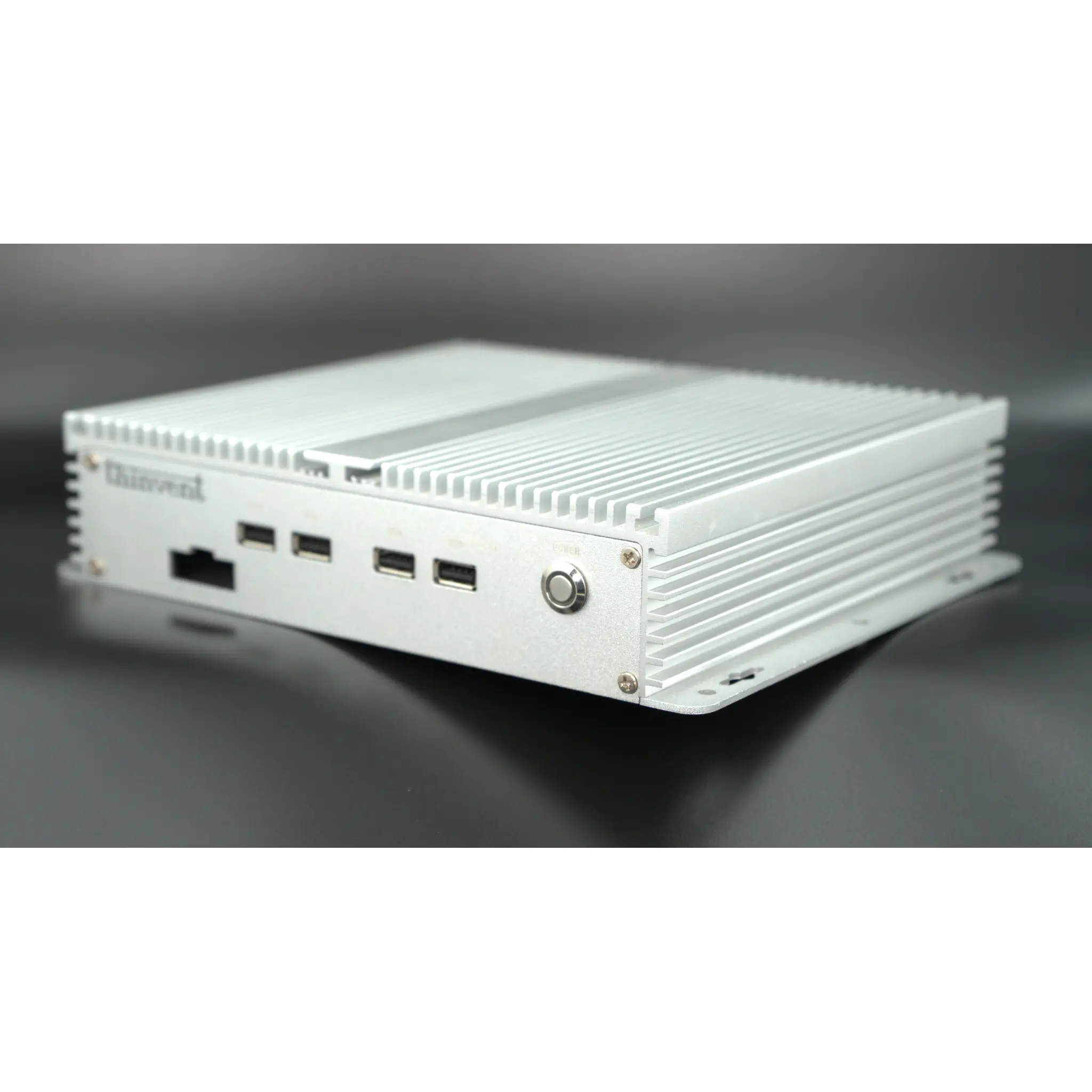
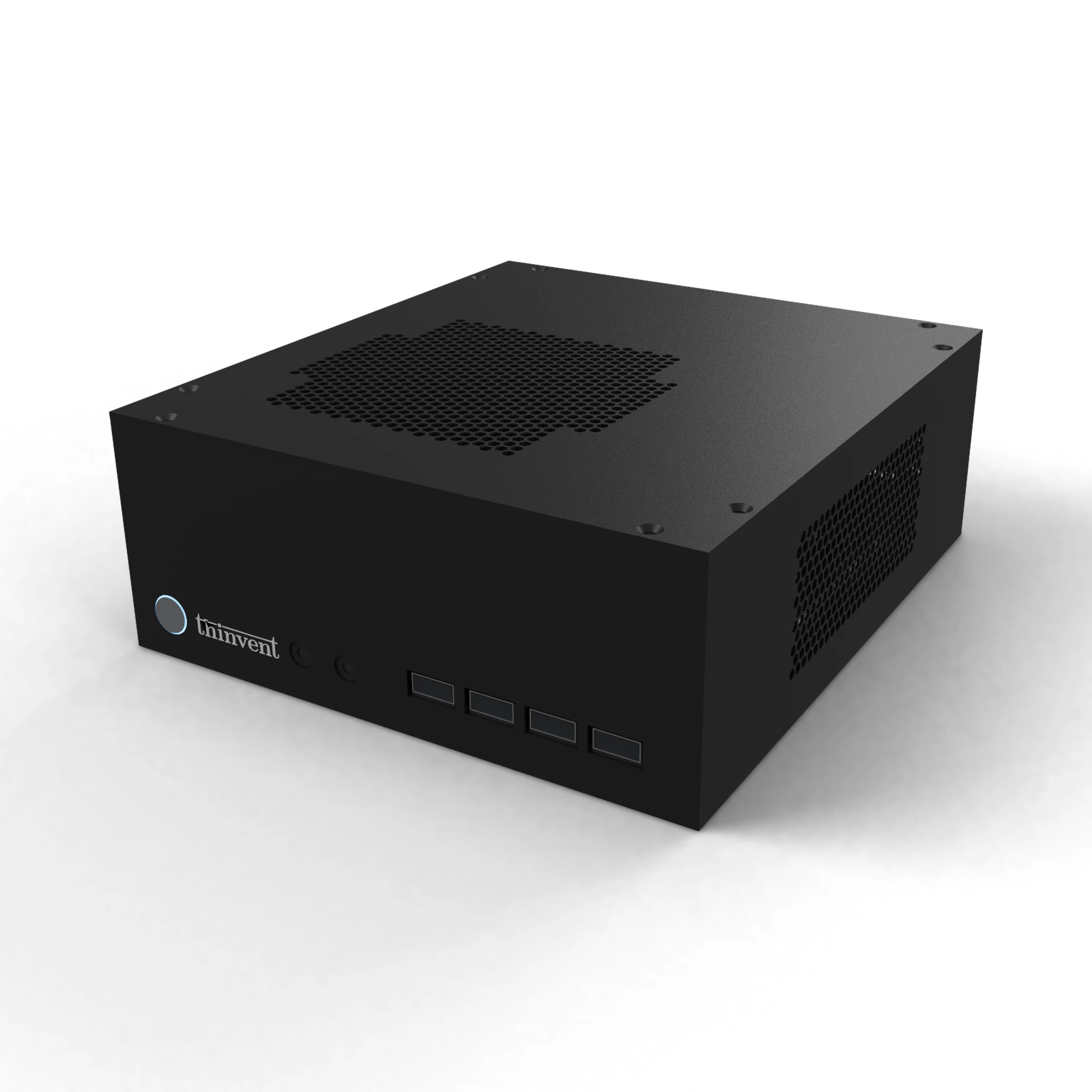
Thinvent offers a comprehensive portfolio of rugged computing solutions built to thrive in harsh railway environments. Our product range scales from efficient, fanless thin clients to powerful industrial PCs, all designed with the durability required for rolling stock applications.
-
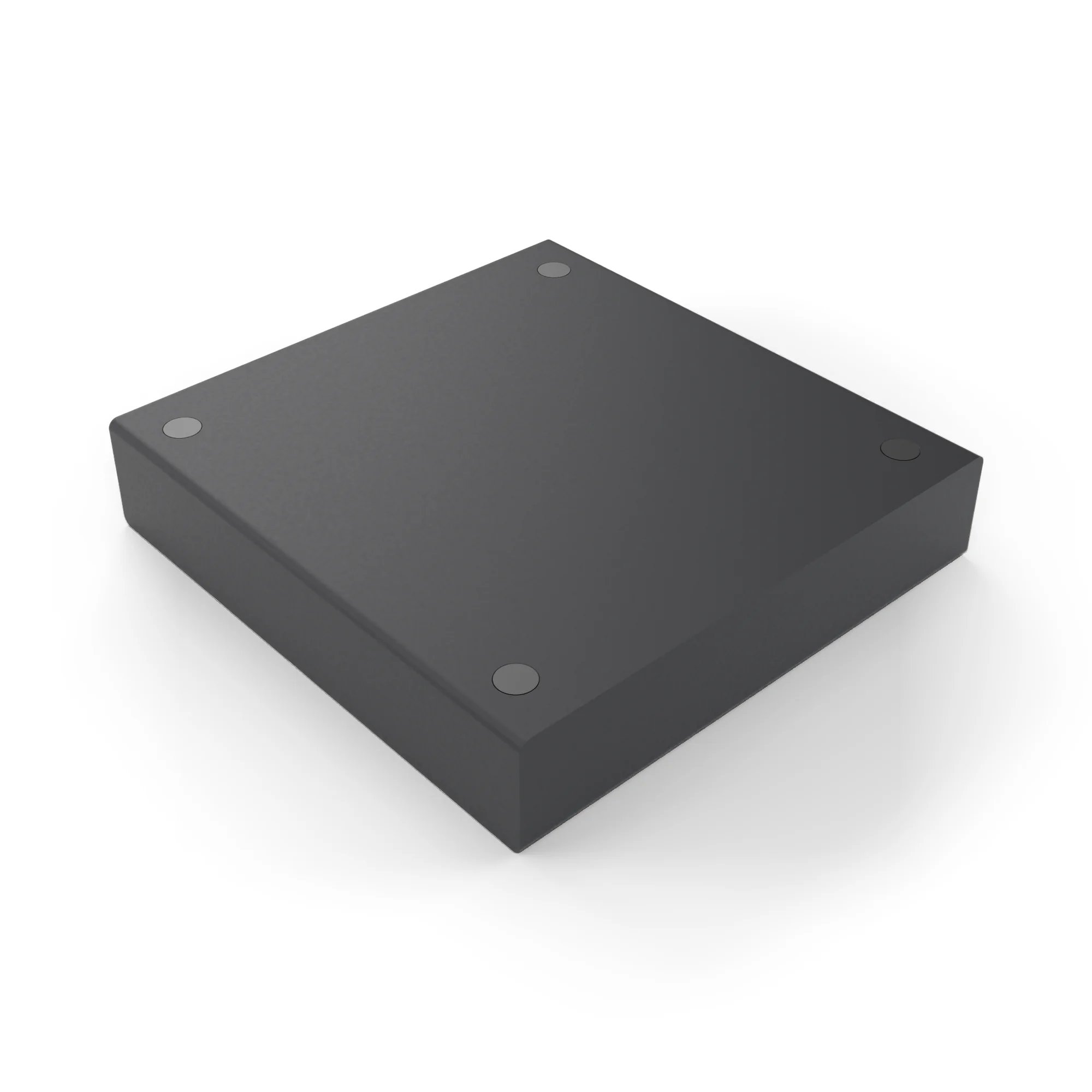
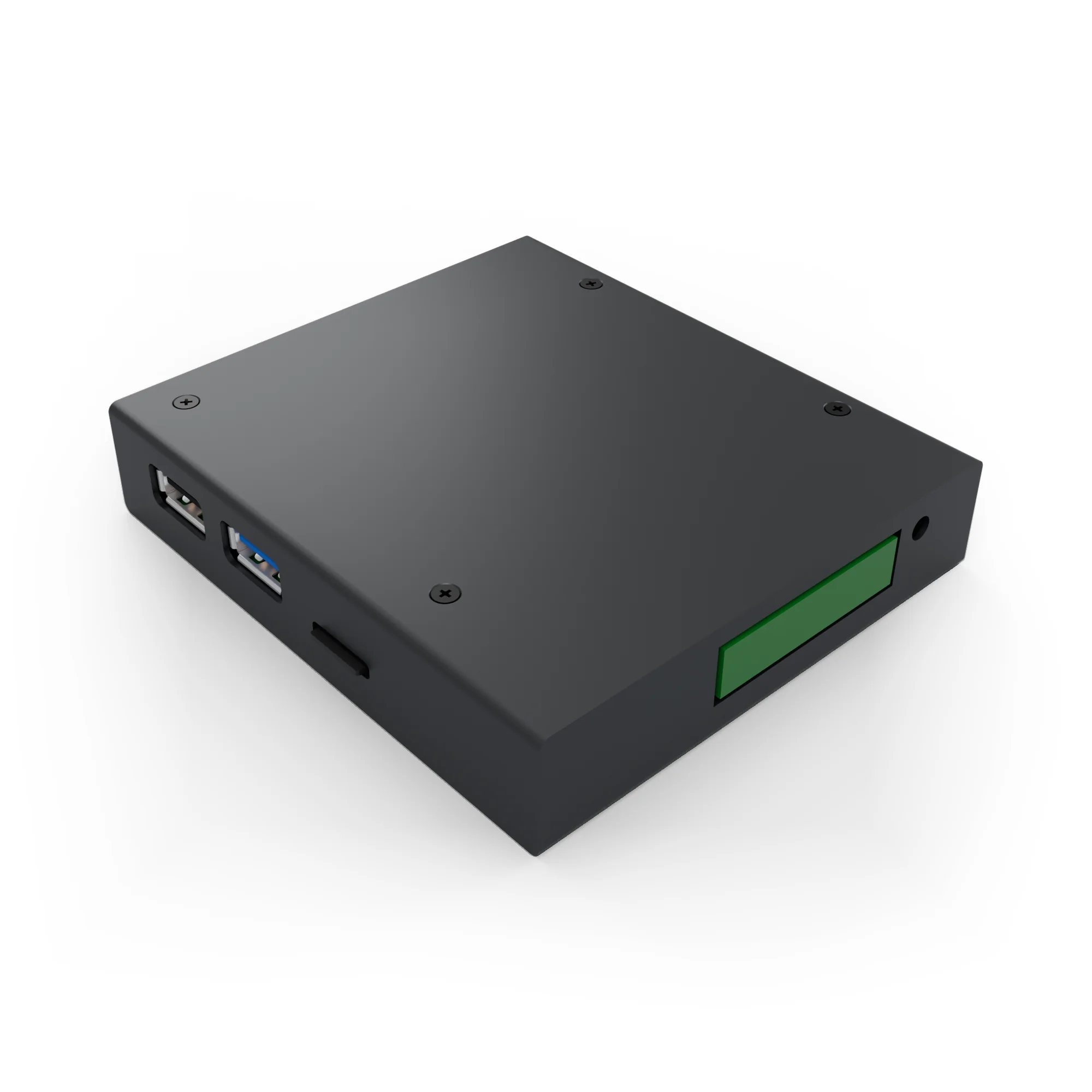
Thinvent® Micro Series: Featuring ARM-based processors like the Cortex A55, these units (Micro 5, Micro 6 Pro) are ultra-compact, low-power solutions ideal for passenger information displays, basic gateways, and signage. Their fanless design and wide voltage input make them exceptionally reliable.
-
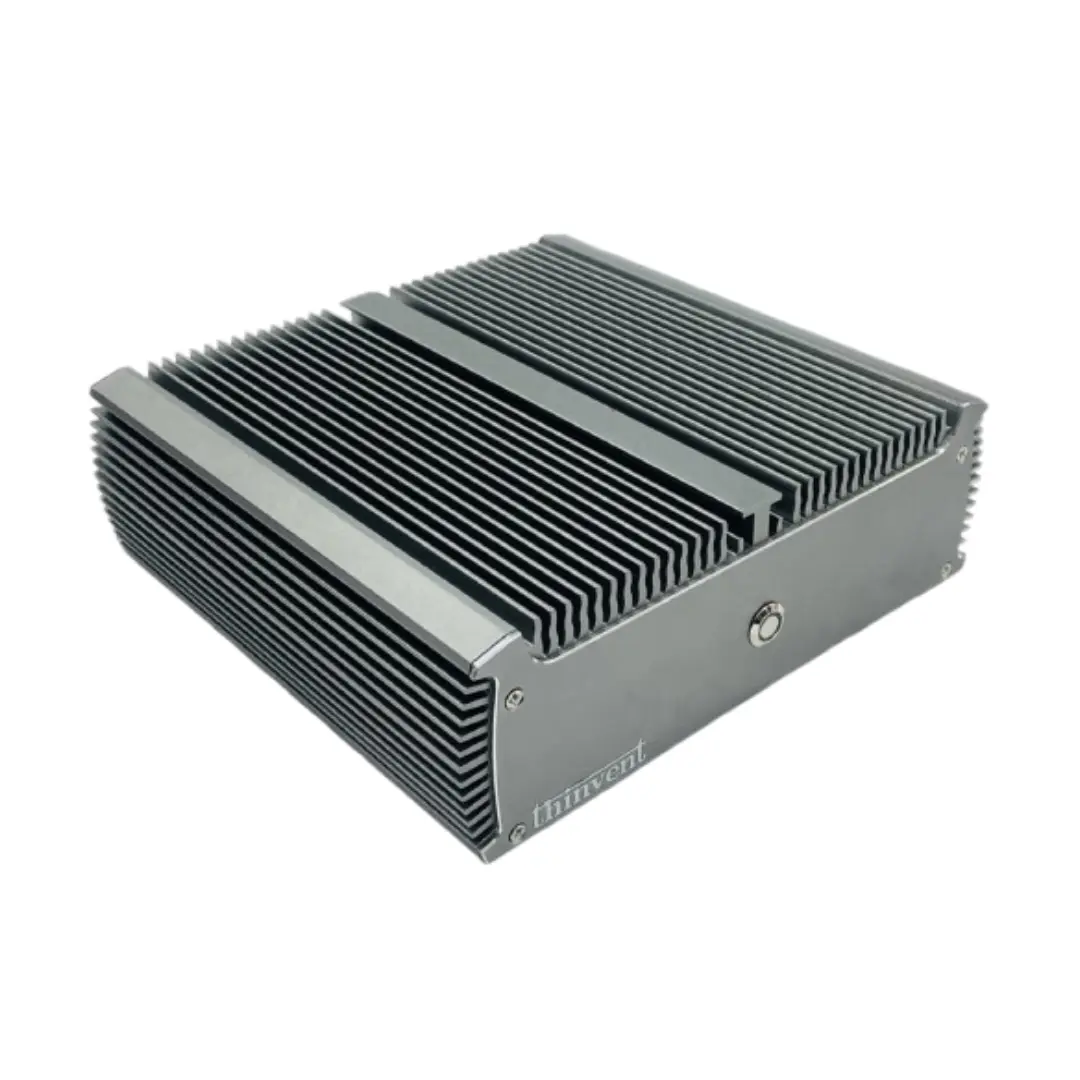
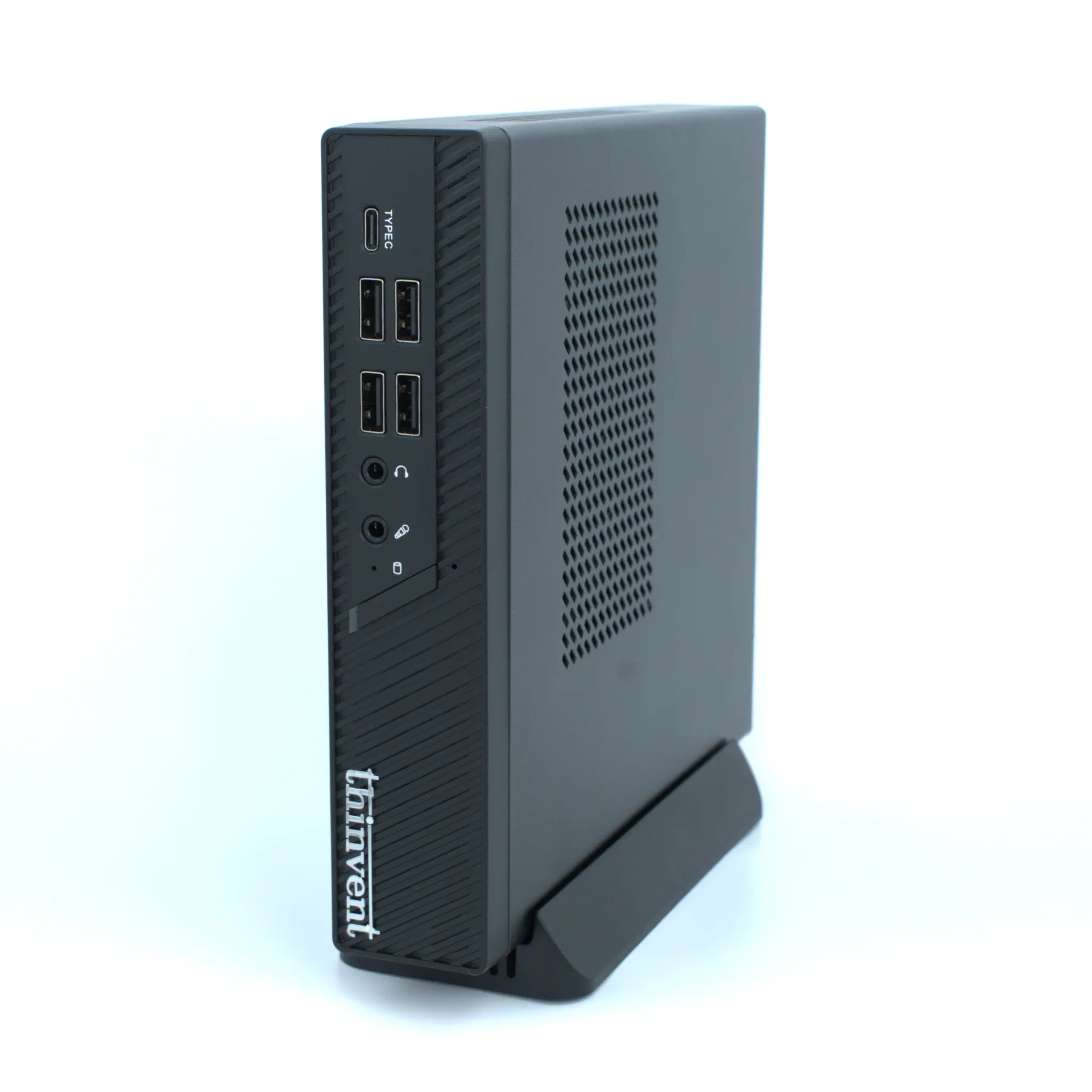
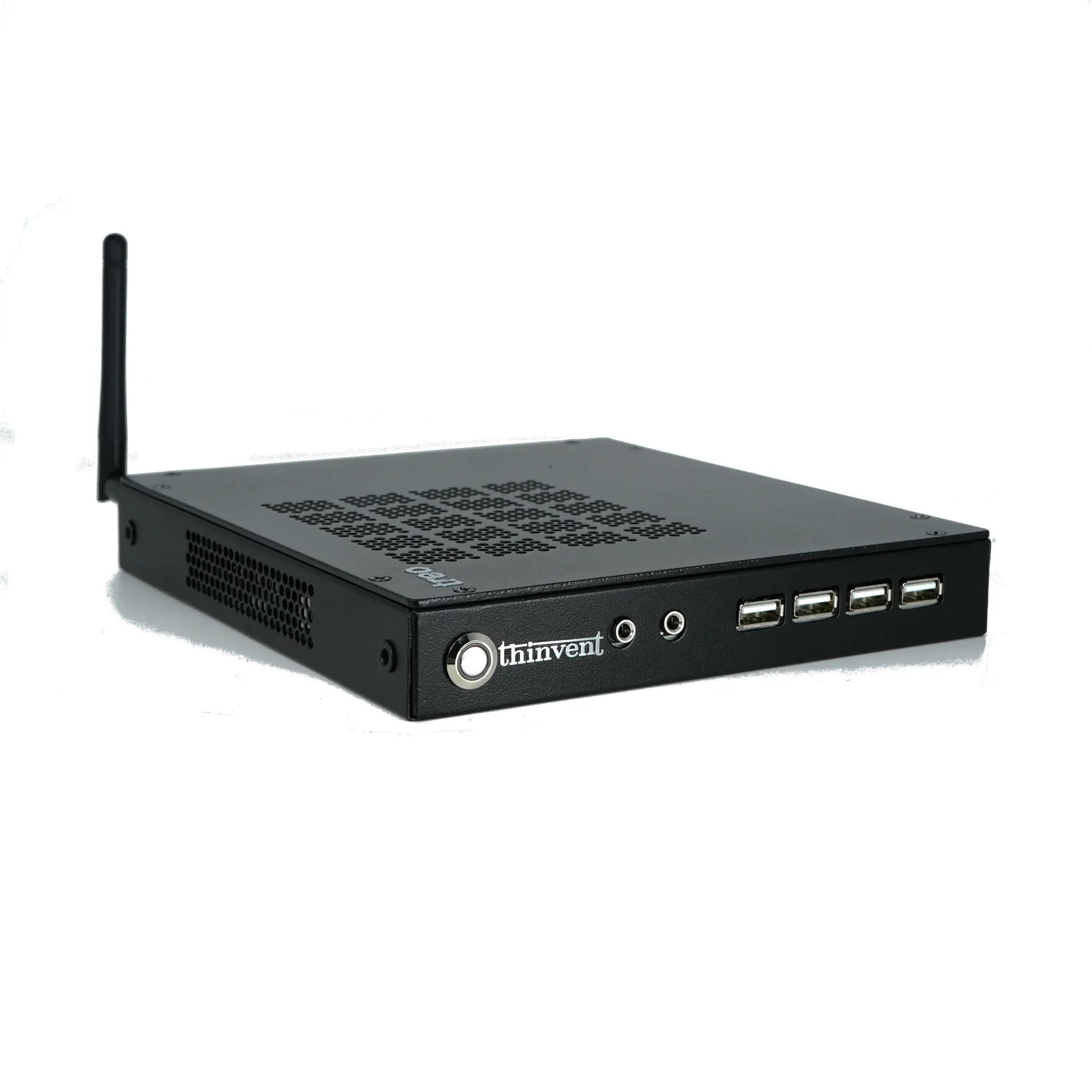
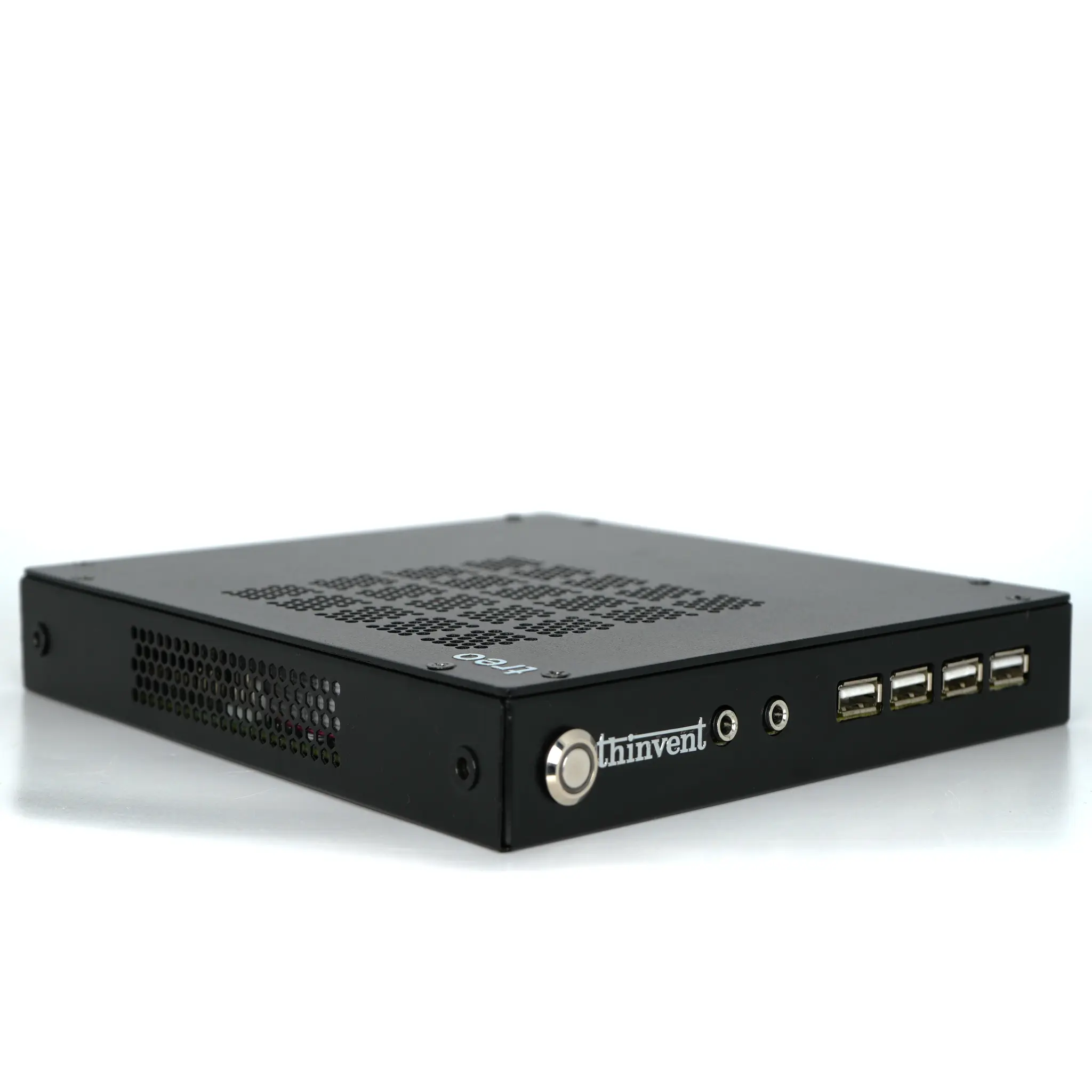
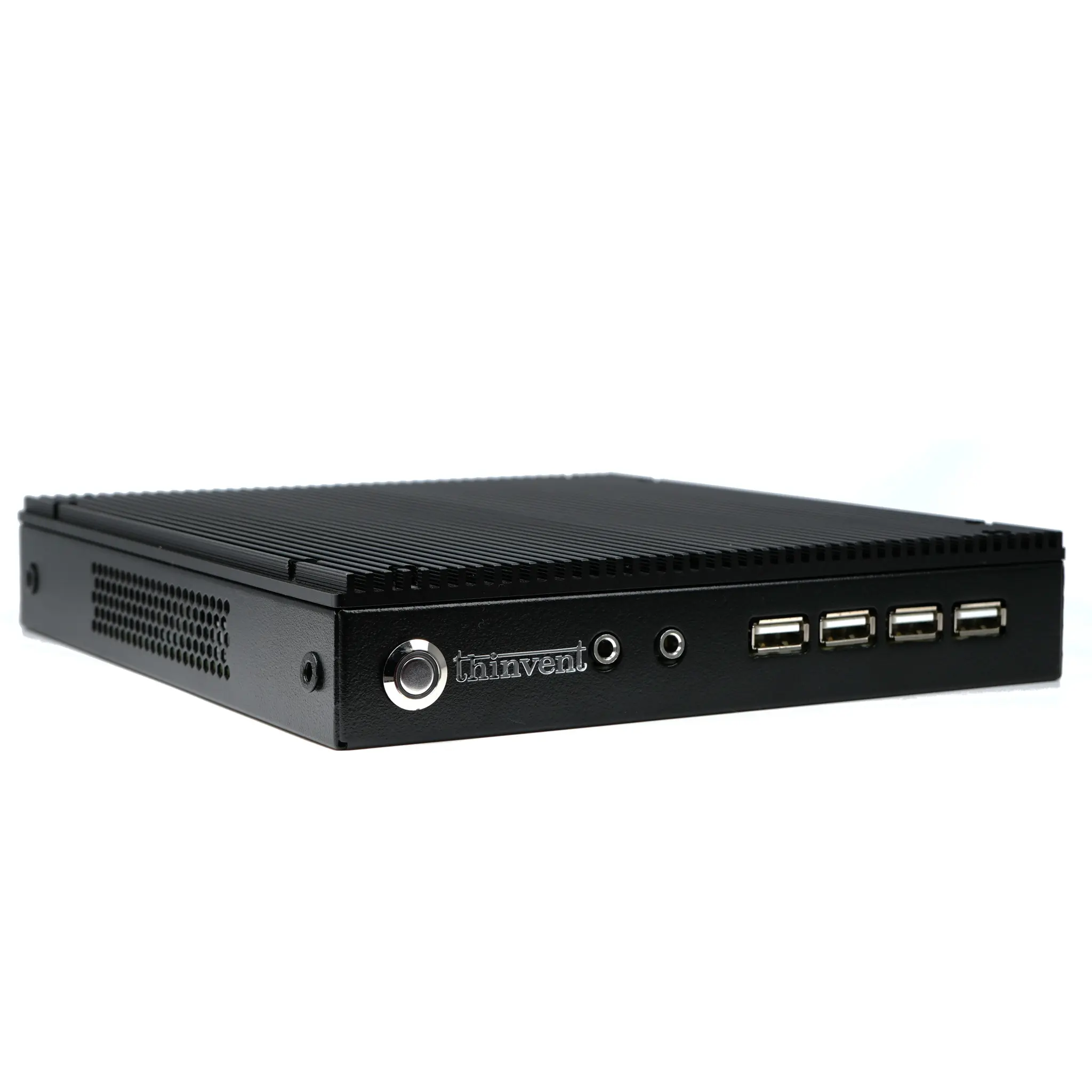
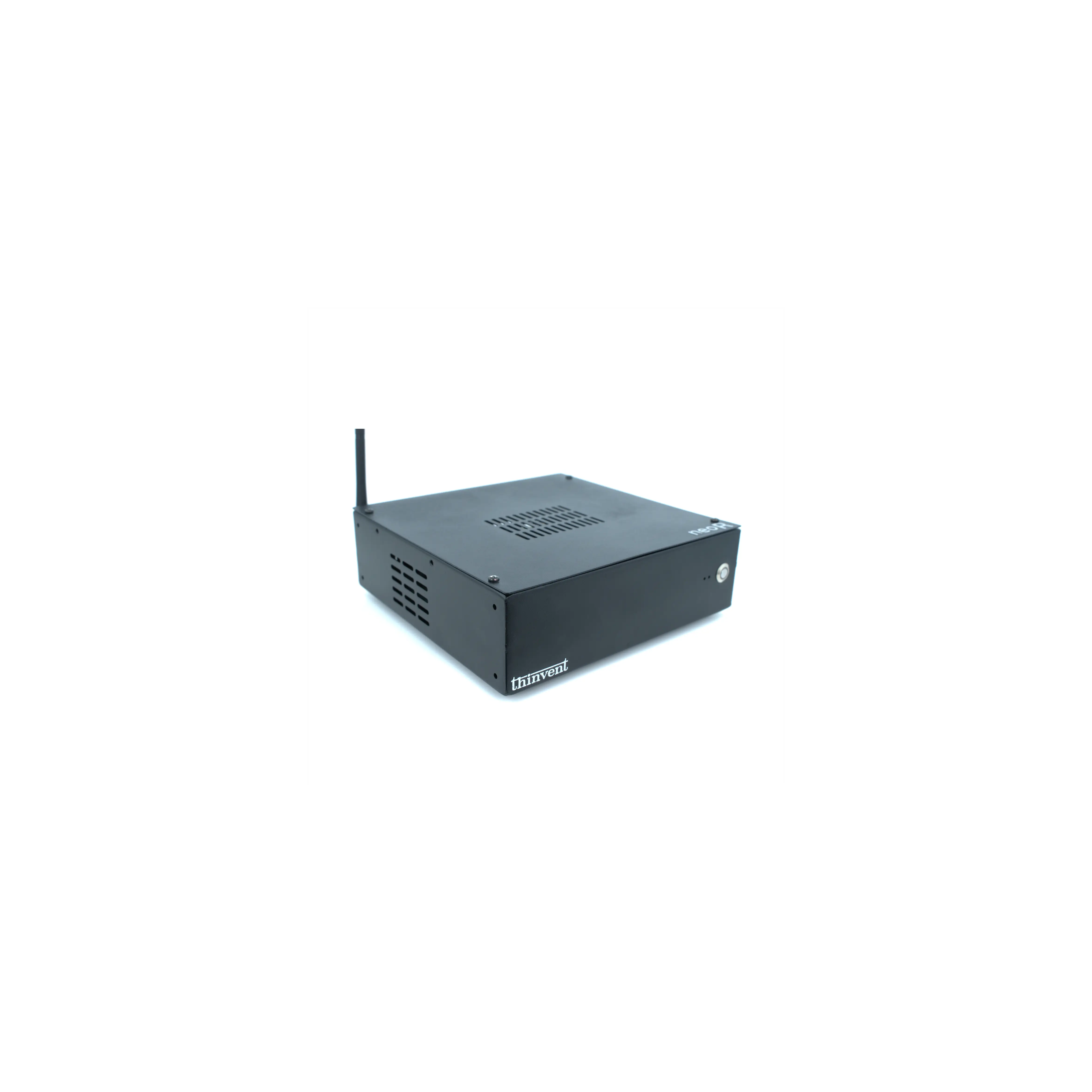
Thinvent® Treo & IPC Series: Powered by Intel processors like the N100, i3, and i5, these mini and industrial PCs (Treo, IPC1, IPC3, IPC5) deliver robust x86 performance for more demanding tasks. They are suited for onboard surveillance servers, diagnostic hubs, and intermediate control systems, offering a balance of computing power and rugged reliability.
-
Thinvent® Aero Series: Representing the high-performance tier with Intel Core 5 and i7 processors, the Aero Mini PC is engineered for the most computationally intensive onboard applications, such as advanced data analytics, integrated train management, or future-ready AI implementations.
All Thinvent systems emphasize fanless cooling for silent operation and enhanced longevity, support wide operating temperatures, and can be configured with various operating systems like Thinux™ Embedded Linux, Ubuntu, or Windows IoT/Pro to meet specific project requirements for global railway deployments