Understanding External Hardware in Computing
External hardware, also known as peripheral devices, refers to any hardware component that connects to a computer from the outside to expand its functionality or enable user interaction. Unlike internal components such as the CPU or RAM housed inside the computer case, external hardware includes input devices (keyboards, mice, scanners), output devices (monitors, printers, speakers), and storage/interface devices (external drives, USB hubs, docking stations). These devices communicate with the system via ports like USB, HDMI, Ethernet, or wireless protocols, making them essential for everyday computing tasks.
Key Specifications for External Hardware Support
When selecting a computer for extensive external hardware connectivity, several specifications are critical:
-
Port Diversity: Multiple USB 3.2 Gen 2 ports (for high-speed data transfer), HDMI outputs (for dual-monitor setups), and USB-C (for modern peripherals and power delivery).
-
Ethernet Ports: Dual Gigabit Ethernet ports enable connection to external networks, printers, or IP cameras without sacrificing internet connectivity.
-
Processor Power: An Intel Core i5 or i7 processor ensures smooth handling of multiple peripheral data streams without lag.
-
Memory & Storage: At least 8GB RAM (16GB recommended) and 256GB SSD for caching and running peripheral management software.
Use Cases for External Hardware-Connected Systems
External hardware support is crucial in various professional environments:
-
Digital Signage & Kiosks: Connecting touchscreens, barcode scanners, and receipt printers to a reliable mini PC.
-
Industrial Automation: Linking sensors, PLCs, and actuators via serial ports and Ethernet to an industrial PC.
-
Medical Workstations: Supporting multiple monitors, diagnostic devices, and imaging peripherals.
-
Retail POS Systems: Integrating cash drawers, thermal printers, and card readers with a thin client.
Comparison of External Hardware Connectivity Options
| Feature | Entry-Level (N100) | Mid-Range (i3-1215U) | High-End (i5-1240P) |
|---|---|---|---|
| USB 3.2 Gen 2 Ports | 2 | 2 | 4 |
| HDMI Outputs | 1 | 2 | 2 |
| USB-C | 1 | 1 | 1 |
| Ethernet Ports | 2 | 2 | 2 |
| Max RAM | 16GB | 32GB | 64GB |
| Best For | Basic peripherals | Dual monitors & storage | Multiple high-speed devices |
Thinvent Products for External Hardware Connectivity
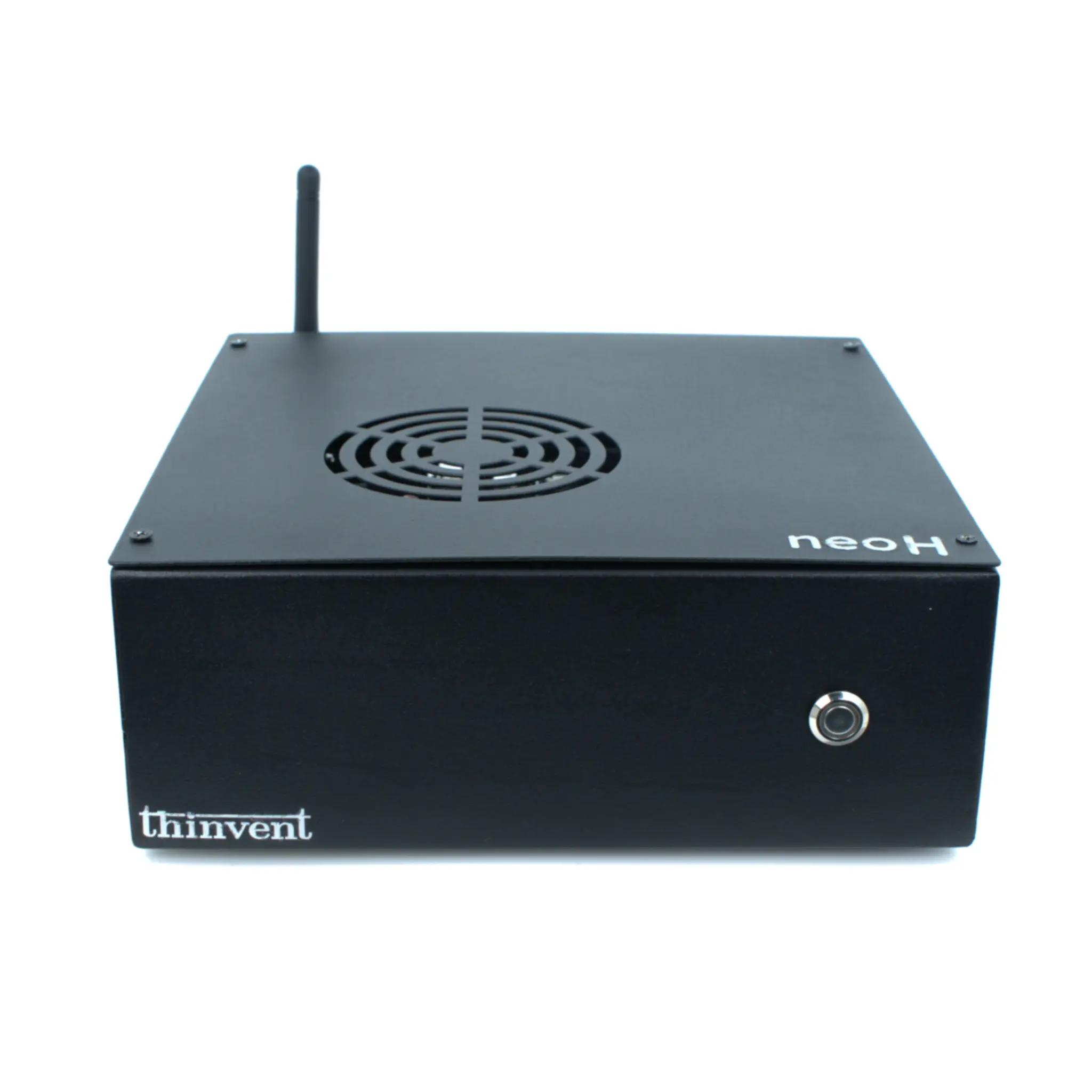
Thinvent offers a range of industrial PCs, mini PCs, and thin clients designed with abundant external hardware ports. Our IPC5 Industrial PC (Intel Core i5-1240P) provides 4 USB 3.2 Gen 2 ports, dual HDMI, and dual Gigabit Ethernet for demanding multi-peripheral setups. The Aero Mini PC (Intel Core 5 120U) adds WiFi 6 for wireless peripherals. For ARM-based applications, the Micro 6 Pro offers a compact form factor with essential connectivity. All models support Windows 11 Pro or Ubuntu Linux, ensuring compatibility with your existing external hardware ecosystem.