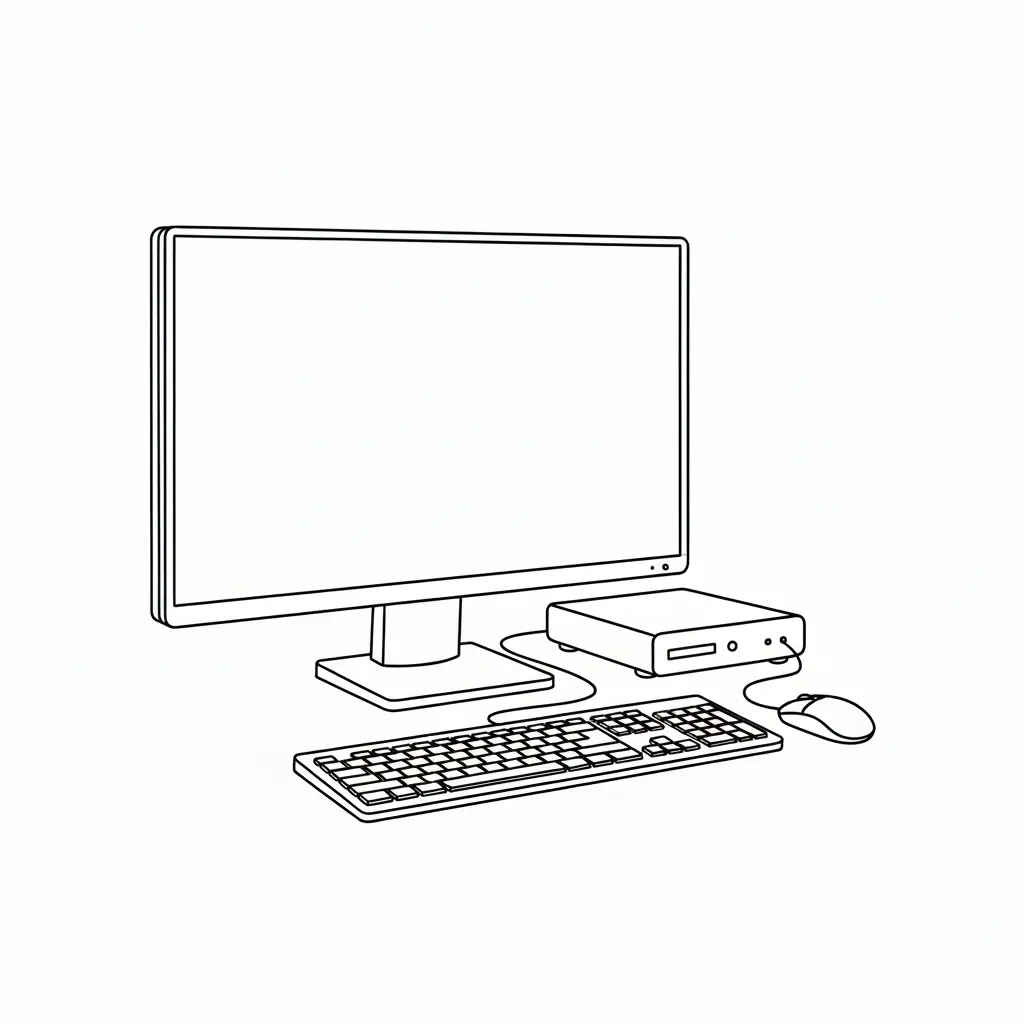
The Fujitsu FUTRO S7011 is an ultra-compact, fanless thin client built around the AMD Ryzen Embedded R1505G processor, designed for flexible endpoints in VDI and cloud client computing. For pfSense firewall deployments, the Thinvent Treo Mini PC range offers a closest alternative with more processing power and higher memory and storage capacity.
Fujitsu FUTRO S7011 vs Thinvent Treo Mini PC
| Fujitsu FUTRO S7011 | Thinvent Treo Mini PC, AMD Ryzen 5 7430U | Thinvent Treo Mini PC, Intel Core i7-1255U | |
|---|---|---|---|
| Processor | AMD Ryzen Embedded R1505G | AMD Ryzen 5 7430U | Intel Core i7-1255U |
| Cores/Threads | Not stated | 6 cores | 10 cores |
| RAM | Not stated | Up to 64 GB | Up to 64 GB |
| Storage | Not stated | 128 GB to 2 TB SSD | 128 GB to 2 TB SSD |
| Form Factor | Ultra-compact, ~0.86 liters | Mini PC | Mini PC |
| Fanless | Yes | Not stated | Not stated |
| Ports | Up to 7 USB ports (3 USB Type-C), multi-monitor support for up to three displays | Not stated | Dual LAN (configuration option) |
Key differences
-
Memory: the Thinvent Treo Mini PC supports up to 64 GB of RAM, which gives more room for firewall and network services than the Fujitsu FUTRO S7011's memory, where the maximum is not stated.
-
Storage: Thinvent Treo Mini PC models offer SSD capacities from 128 GB to 2 TB.
-
Processing: the Intel Core i7-1255U variant provides 10 cores, and the AMD Ryzen 5 7430U provides 6 cores.
-
Connectivity: the Treo Mini PC is available with Dual LAN on the Intel i7-1255U configuration, which suits firewall deployments that need multiple network interfaces.
-
Trade-off: the Fujitsu FUTRO S7011 is a fanless design with a documented ultra-compact footprint and a full port selection, including USB Type-C and up to three display outputs, which suits a quiet, space-limited desk environment.
Which one should you choose?
Choose the Fujitsu FUTRO S7011 if you need a fanless, ultra-compact endpoint with broad USB and display connectivity for VDI or cloud client use. Choose a Thinvent Treo Mini PC if your pfSense firewall deployment needs higher core counts, up to 64 GB of RAM, larger SSD storage, and a Dual LAN option.