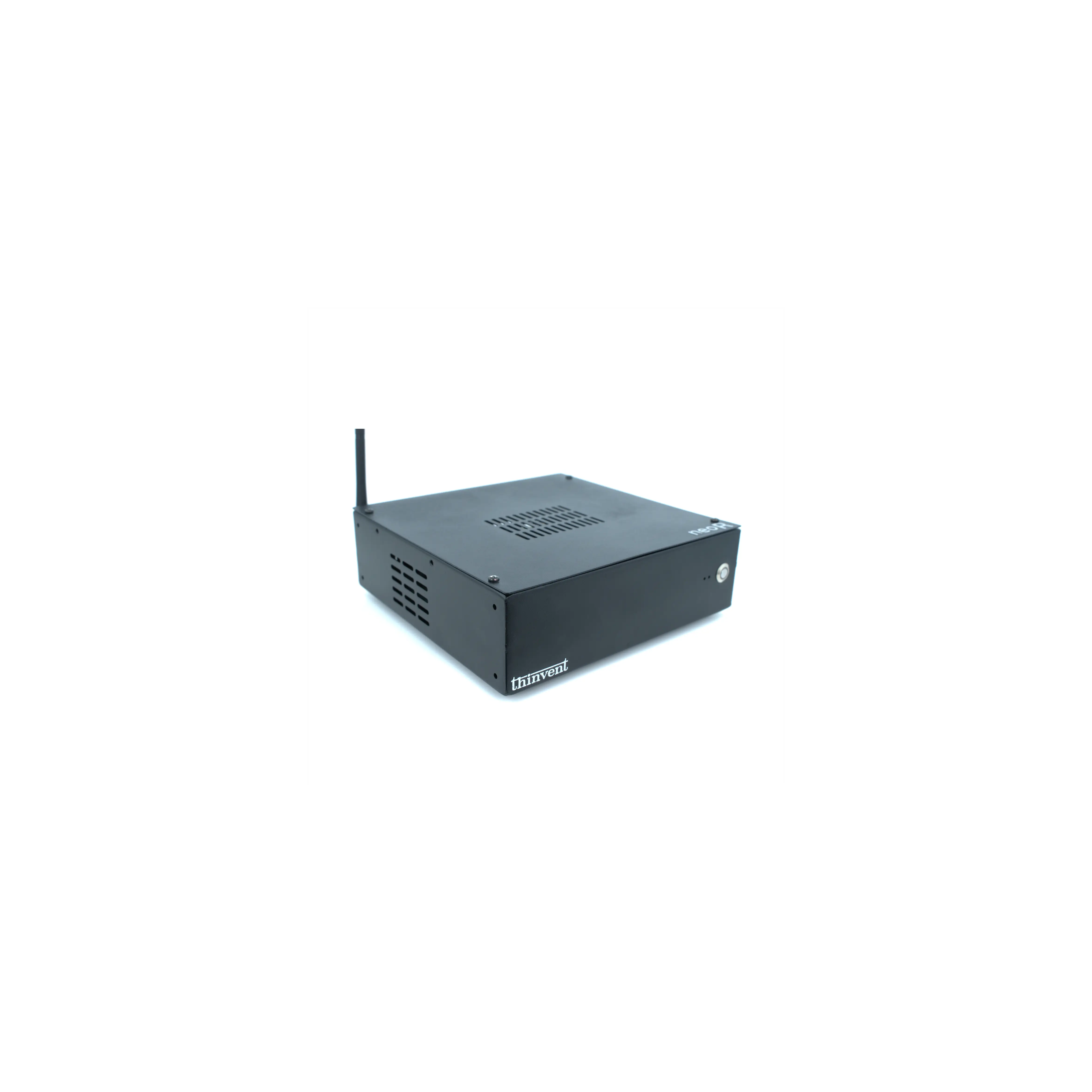
What Are Fanless Mini PCs and Why Choose Them?
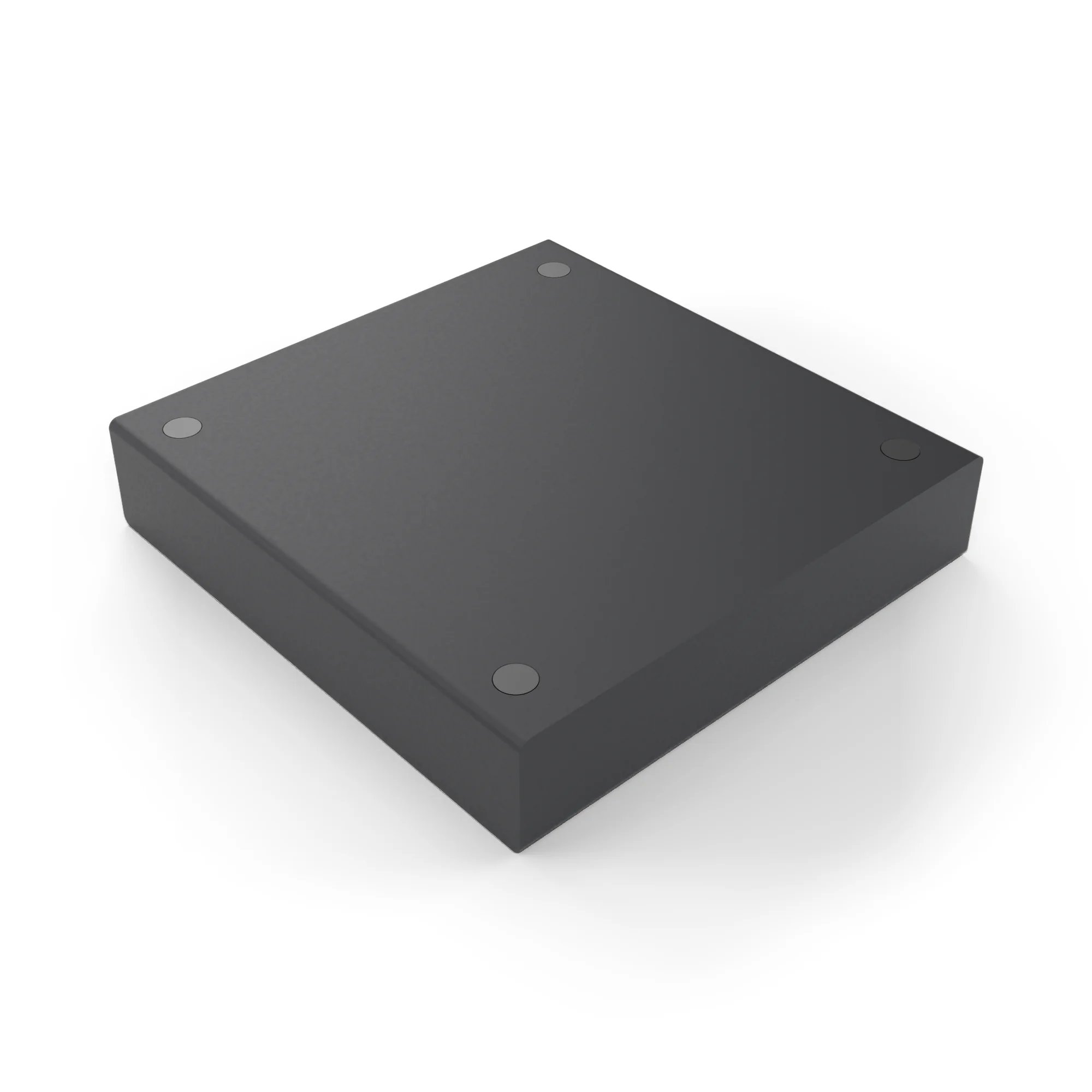
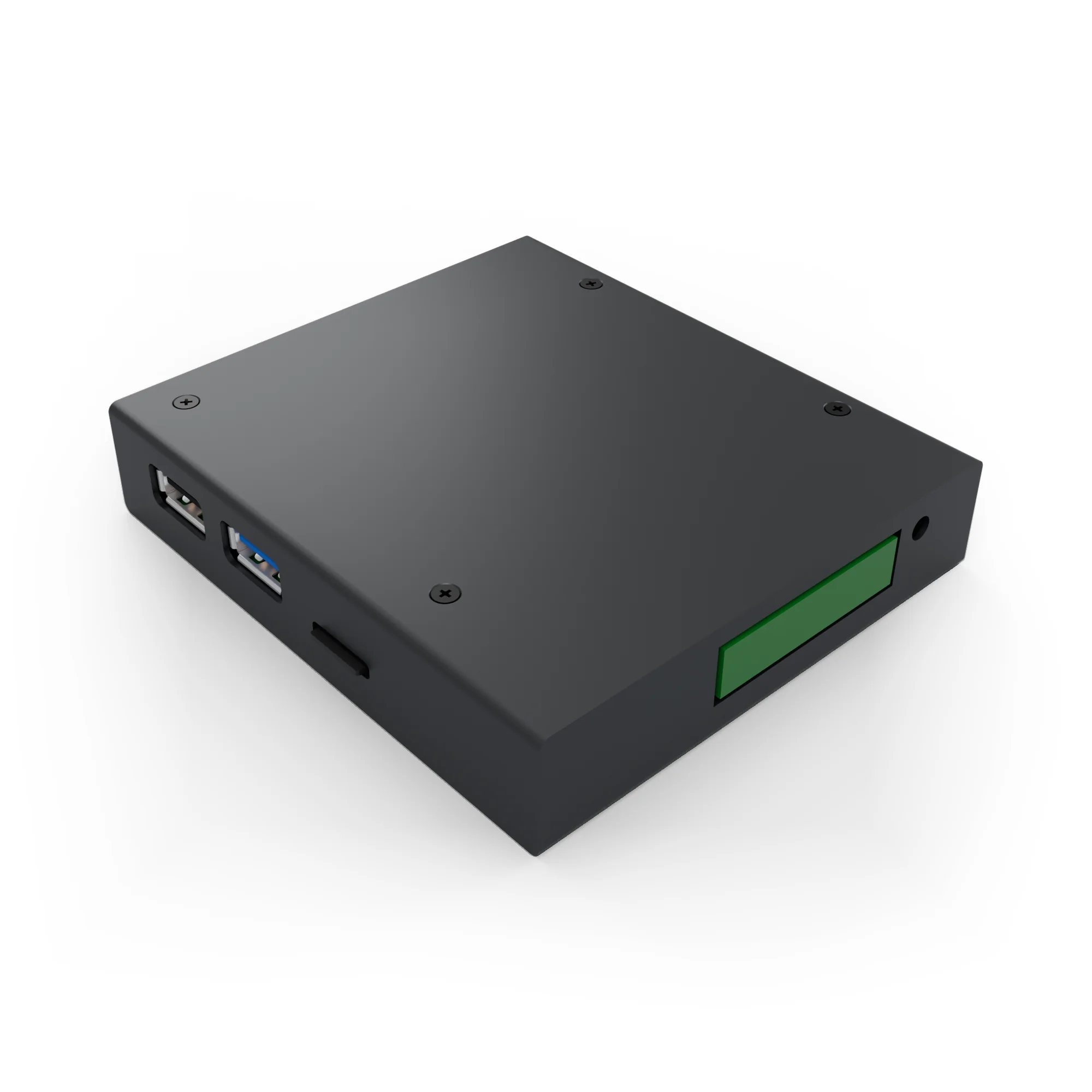
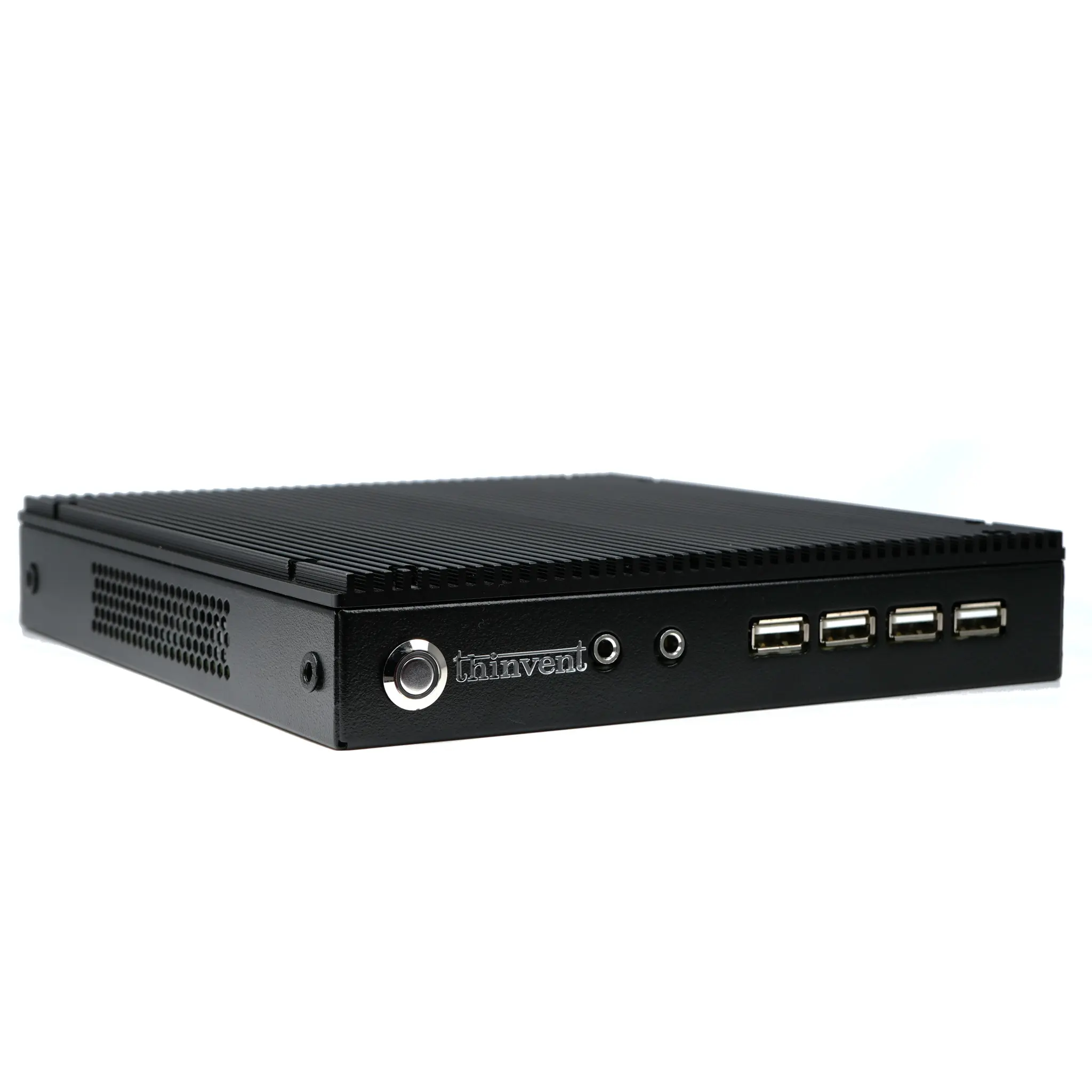
Fanless mini PCs, also known as fusion computers, are compact computing devices that use passive cooling instead of traditional fans. They rely on heat sinks, heat pipes, and natural convection to dissipate heat from the processor and other components. This design eliminates moving parts, making them exceptionally reliable, silent, and resistant to dust, debris, and vibration. For industrial and commercial environments where uptime and durability are critical, fanless mini PCs offer a superior alternative to conventional fan-cooled systems.
The key benefits include:
-
Enhanced Reliability: No fan means fewer mechanical failures, resulting in a longer mean time between failures (MTBF).
-
Dust and Debris Resistance: Passive cooling prevents dust ingress, ideal for factories, warehouses, and retail spaces.
-
Silent Operation: Perfect for noise-sensitive settings like offices, libraries, or medical facilities.
-
Wide Temperature Tolerance: Many fanless designs operate reliably in extreme temperatures, from -20°C to 70°C.
-
Compact and Energy-Efficient: Small form factors save space and reduce power consumption.
Key Specifications and Technologies
Fanless mini PCs come with a range of processors, memory, and storage options to suit various workloads. For example, ARM Cortex-A53 and A55 processors offer low power consumption for basic tasks like digital signage or thin client use, while Intel Core i3, i5, and N-series chips deliver higher performance for edge computing, industrial automation, and data processing.
Typical specifications include:
-
Processors: ARM Cortex-A53/A55 (up to 1.9 GHz), Intel N100/N95 (up to 3.4 GHz), Intel Core i3-1215U (up to 4.4 GHz), Intel Core i5-1240P (up to 4.4 GHz), Intel Core 5 120U (up to 5.0 GHz)
-
Memory: 2 GB to 16 GB DDR4 or onboard RAM
-
Storage: 16 GB eMMC to 512 GB SSD
-
Connectivity: HDMI, USB, Ethernet, optional Wi-Fi
-
Operating Systems: Thinux Embedded Linux, Ubuntu Linux, Windows 11 IoT/Pro
Use Cases and Applications
Fanless fusion computers excel in demanding environments:
-
Industrial Automation: Control systems, PLCs, and machine monitoring in dusty or vibrating factories.
-
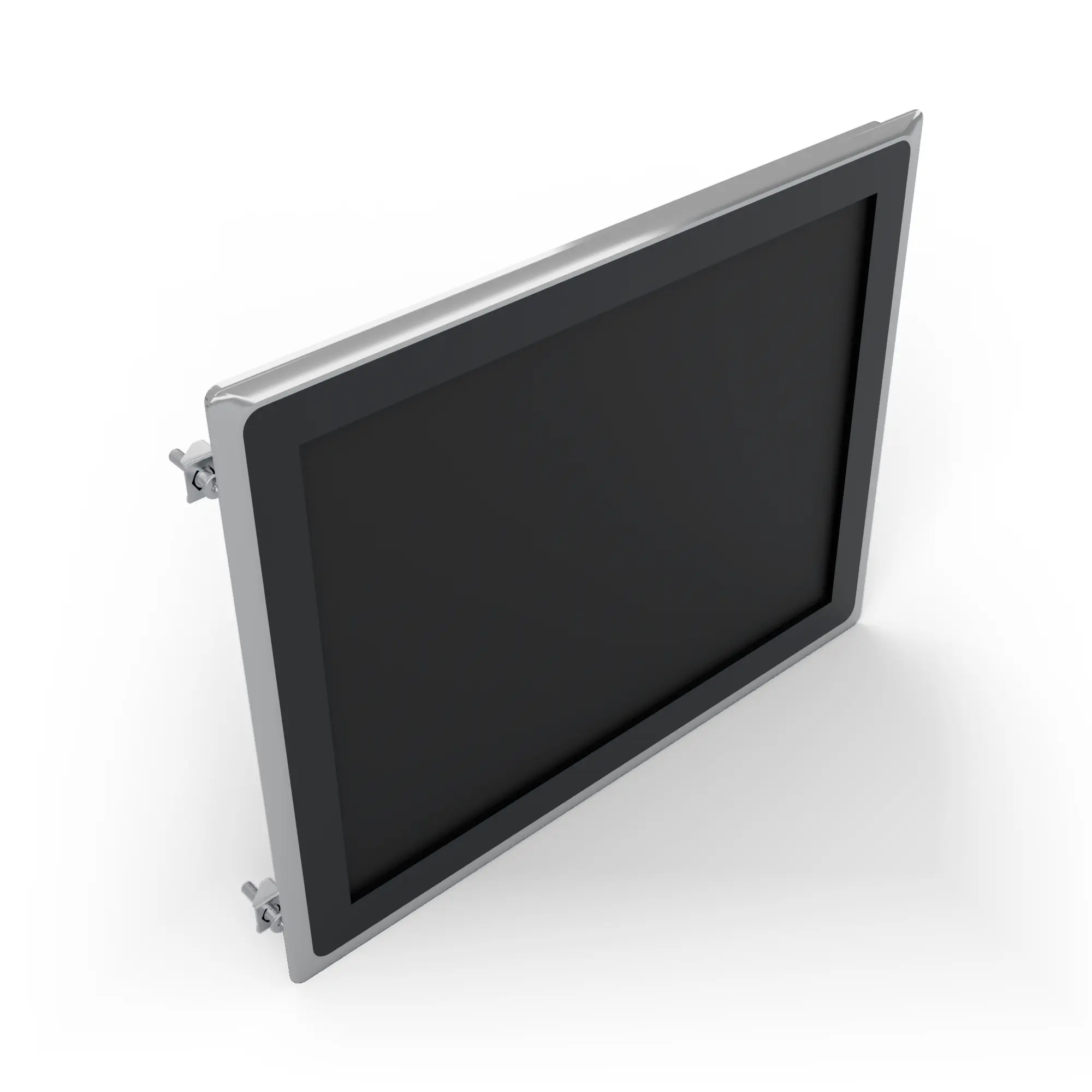
Digital Signage: Reliable media playback in retail, airports, and hotels without noise or heat buildup.
-
Edge Computing: Real-time data processing at the network edge for IoT and AI applications.
-
Medical Devices: Silent, hygienic operation in patient monitoring and diagnostic equipment.
-
Point of Sale (POS): Durable, compact terminals for retail and hospitality.
-
Thin Client & Virtual Desktop: Secure, low-maintenance endpoints for enterprise deployments.
Comparison of Common Fanless Mini PC Models
| Model | Processor | Cores/Threads | Max Frequency | RAM | Storage | Best For |
|---|---|---|---|---|---|---|
| Thinvent Micro 5 | ARM Cortex A53 | 4/4 | 1.5 GHz | 2 GB | 16 GB eMMC | Thin client, signage |
| Thinvent Micro 6 Pro | ARM Cortex A55 | 4/4 | 1.9 GHz | 4 GB | 64 GB eMMC | Embedded systems |
| Thinvent Treo N100 | Intel N100 | 4/4 | 3.4 GHz | 4 GB | 128 GB SSD | Basic desktop, POS |
| Thinvent IPC3 | Intel i3-1215U | 6/8 | 4.4 GHz | 8 GB | 256 GB SSD | Industrial control |
| Thinvent IPC5 | Intel i5-1240P | 12/16 | 4.4 GHz | 16 GB | 512 GB SSD | Edge computing |
| Thinvent Aero i5 | Intel Core 5 120U | 10/12 | 5.0 GHz | 16 GB | 512 GB SSD | High-performance tasks |
Thinvent's Range of Fanless Mini PCs
Thinvent offers a comprehensive portfolio of fanless mini PCs and industrial computers designed for global customers. From energy-efficient ARM-based thin clients like the Micro 5 and Micro 6 Pro to powerful Intel-based systems like the IPC1, IPC3, IPC5, Treo, and Aero series, every model features passive cooling for maximum reliability. These fusion computers are pre-loaded with Thinux Embedded Linux, Ubuntu, or Windows, and are built to withstand harsh conditions with zero