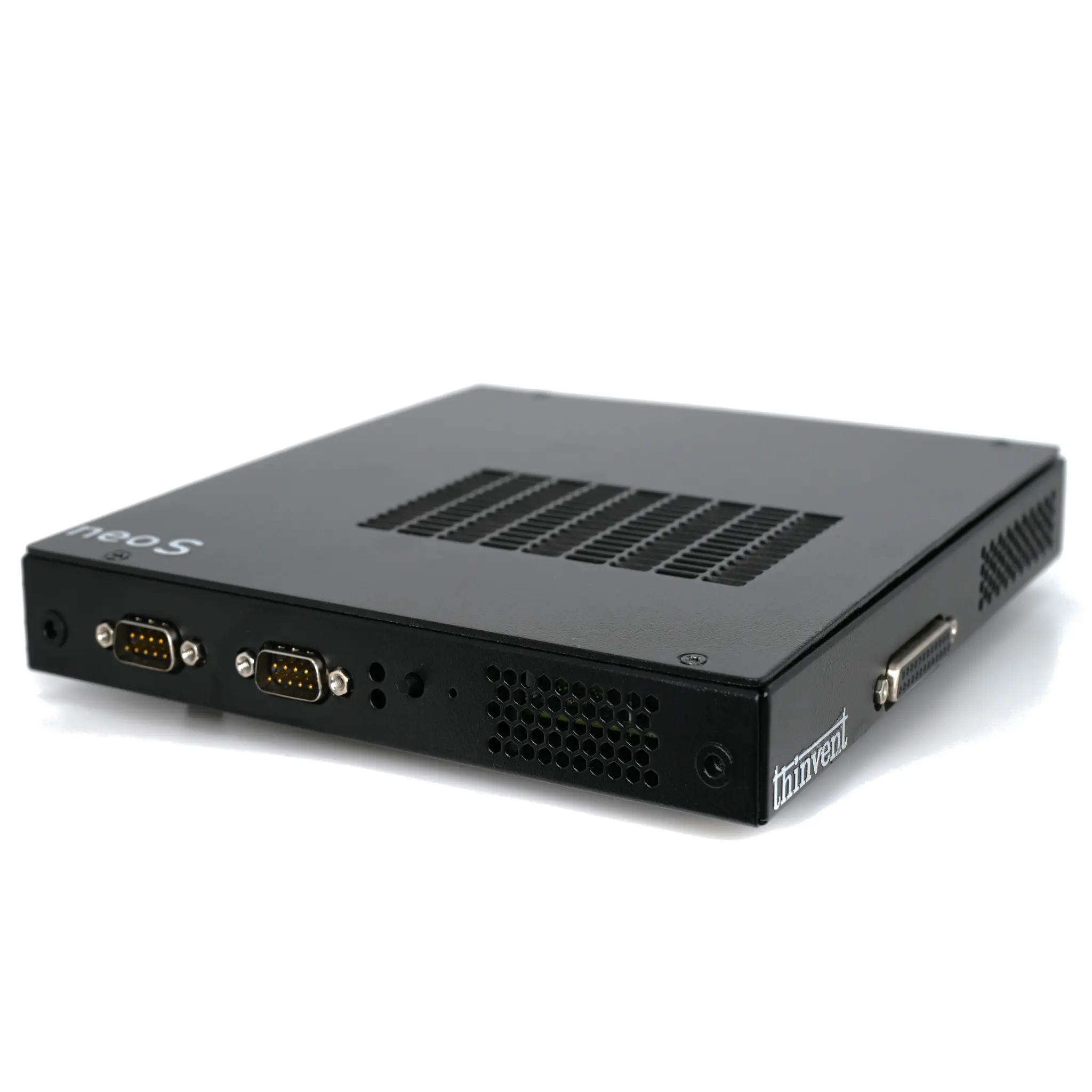
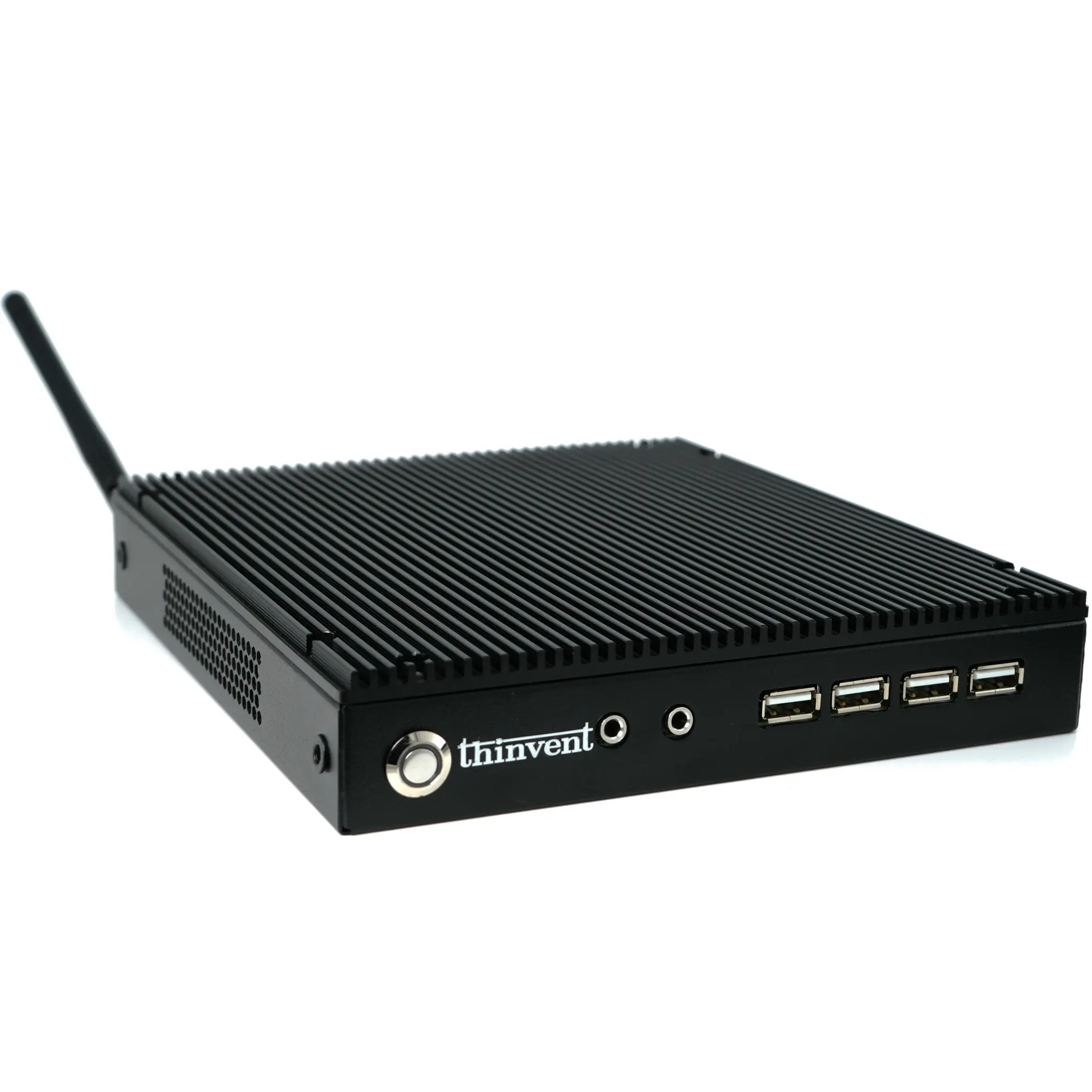
The term "Gmteck" appears to refer to a line of compact, energy-efficient computing devices, typically ARM-based thin clients or mini PCs. These systems are designed for specific, lightweight workloads where low power consumption, silent operation, and a small physical footprint are critical advantages over traditional desktop PCs.
ARM-based thin clients, like those in the Gmteck category, utilize processors such as the ARM Cortex-A53 or A55. These are System-on-Chip (SoC) designs that integrate the CPU, GPU, and memory controller, resulting in highly efficient thermal performance that enables completely fanless operation. Key specifications for these devices often include onboard RAM (typically 2GB to 4GB), eMMC flash storage (16GB to 64GB), and support for essential connectivity like HDMI, USB, and dual-band Wi-Fi. They commonly run embedded or lightweight Linux operating systems optimized for stability and remote management.
The primary use case for these compact ARM systems is in centralized computing environments. They are ideal for Virtual Desktop Infrastructure (VDI), where all processing occurs on a central server, and the thin client merely acts as a secure access terminal. Other common applications include digital signage, kiosks, point-of-sale (POS) systems, and basic office tasks like web browsing and document editing via cloud-based applications. Their fanless design makes them perfect for noise-sensitive environments like libraries, hospitals, and call centers.
When comparing ARM-based thin clients to entry-level x86 systems (like those with Intel N-series processors), the key differentiators are architecture and use case. ARM devices excel in pure terminal scenarios, offering the lowest possible power draw and cost. x86 systems, while consuming slightly more power, provide greater application compatibility with legacy Windows software and can handle more local processing if needed.
| Feature | ARM-Based Thin Client (e.g., Cortex-A55) | Entry-Level x86 Mini PC (e.g., Intel N100) |
|---|---|---|
| Architecture | ARM (RISC) | x86-64 (CISC) |
| Typical Power Use | Very Low (5-10W) | Low (6-15W) |
| Primary Use Case | Dedicated VDI/Cloud Terminal, Digital Signage | Light Local Computing, Hybrid Workloads |
| OS Compatibility | Linux, Android, ThinOS | Windows, Linux |
| Key Advantage | Maximum Efficiency & Cost for Terminal Workloads | Broader Software Ecosystem |
Thinvent's Range of Compact Computing Solutions
Thinvent offers a comprehensive portfolio of devices that align with the Gmteck philosophy of compact, reliable computing. Our Micro Series of thin clients are direct counterparts, featuring ARM Cortex processors, onboard memory, and eMMC storage, pre-loaded with our stable Thinux™ Embedded Linux for seamless VDI deployment. For scenarios requiring a bit more local capability or x86 software compatibility, our Treo Mini PC series with Intel N100 processors provides an excellent balance of performance and efficiency in a similarly small form factor. For more demanding industrial or office applications, our Aero Mini PC and Industrial PC (IPC) lines offer powerful Intel Core i3, i5, and i7 processors with higher RAM and SSD options, all while maintaining a commitment to robust, reliable design suitable for 24/7 operation.