What Are Desktop Computers?
Desktop computers are stationary personal computers designed for use at a single location, typically on a desk. They consist of a central system unit (tower or compact form), a monitor, and input devices like a keyboard and mouse. Modern desktops offer a wide range of performance, from basic office tasks to high-end computing for engineering and content creation. Their key advantages over laptops include easier upgradability, better cooling for sustained performance, and often a lower cost for equivalent computing power.
Key Specifications and Technical Details
When selecting a desktop computer, several core specifications determine its capability. The Processor (CPU) is the brain, with Intel and AMD offering various series (e.g., Celeron, Core i3/i5/i7/i9) and generations. Memory (RAM) is crucial for multitasking, with 8GB being a standard starting point for general use and 16GB or more recommended for professional applications. Storage has shifted from Hard Disk Drives (HDDs) to faster Solid State Drives (SSDs), with 256GB to 1TB being common. Connectivity includes multiple USB ports (USB 3.2, USB-C), HDMI/DisplayPort for monitors, and Gigabit Ethernet for reliable networking. Many modern compact desktops also feature fanless designs for silent, reliable operation in industrial settings.
Use Cases and Applications
Desktop computers serve diverse roles across industries. In office environments, they handle productivity software, email, and video conferencing. For digital signage and kiosks, compact, reliable desktops power displays in retail, hospitality, and transportation. In industrial automation, ruggedized desktops control machinery and monitor processes on the factory floor. Creative professionals rely on high-performance workstations with powerful CPUs and graphics for video editing and 3D rendering. Their stationary nature makes them ideal for any task requiring consistent, powerful computing in a fixed location.
Comparison of Desktop Form Factors
| Form Factor | Typical Size | Key Features | Ideal For |
|---|---|---|---|
| Traditional Tower | Large | High expandability, multiple drive bays, powerful cooling | Gaming PCs, servers, workstations |
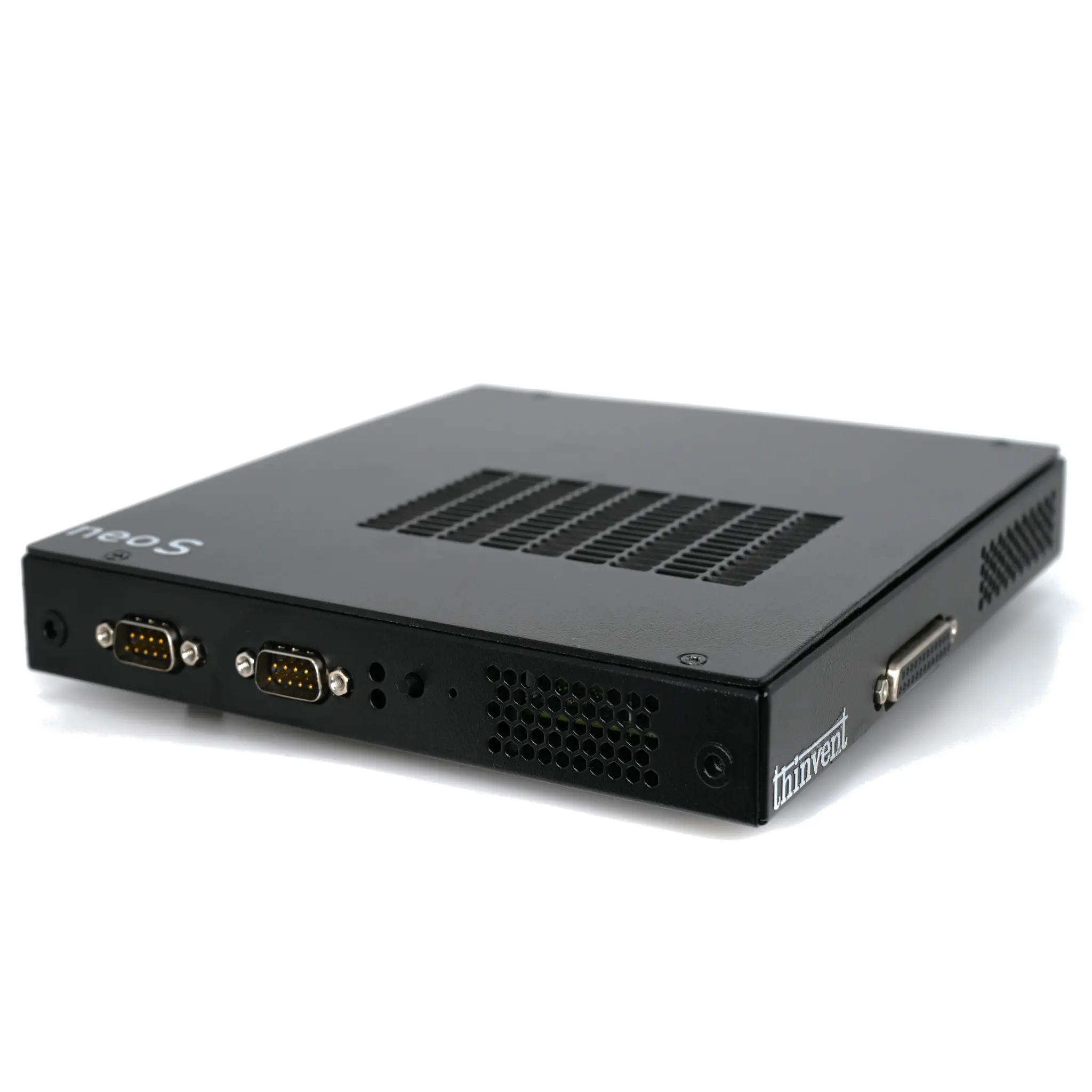
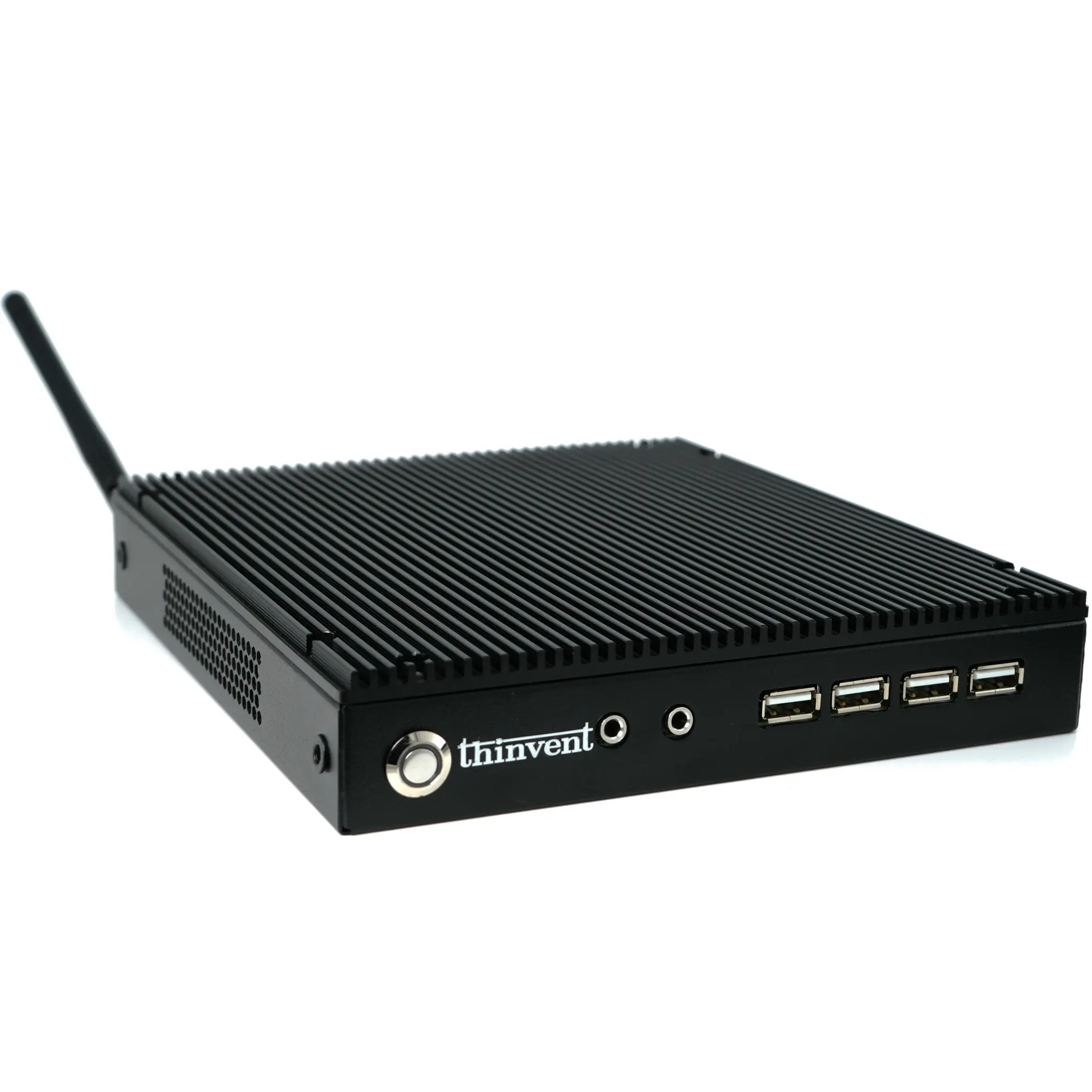
| Mini PC / Small Form Factor (SFF) | Compact (e.g., 0.5-2 liters) | Space-saving, low power consumption, often fanless | Digital signage, office work, thin clients, IoT gateways |
| All-in-One (AIO) | Integrated with monitor | Clean desk setup, fewer cables, built-in webcam/speakers | Reception areas, classrooms, retail points of sale |
| Industrial PC | Varies (often rugged) | Wide temperature tolerance, shock/vibration resistance, long-term availability | Factory automation, transportation, harsh environments |
Thinvent Desktop Computer Solutions
Thinvent specializes in robust, compact desktop computers engineered for commercial and industrial durability. Our product range includes powerful Mini PCs with the latest Intel processors, designed for silent, fanless operation in demanding 24/7 applications. For integrated display solutions, our All-in-One PCs combine a sleek form factor with reliable performance for interactive kiosks and control panels. All Thinvent desktops are built with industrial-grade components, offering features like wide voltage input, multiple I/O ports, and support for various operating systems to ensure seamless integration into your specific workflow, from a simple office terminal to a complex automation hub.