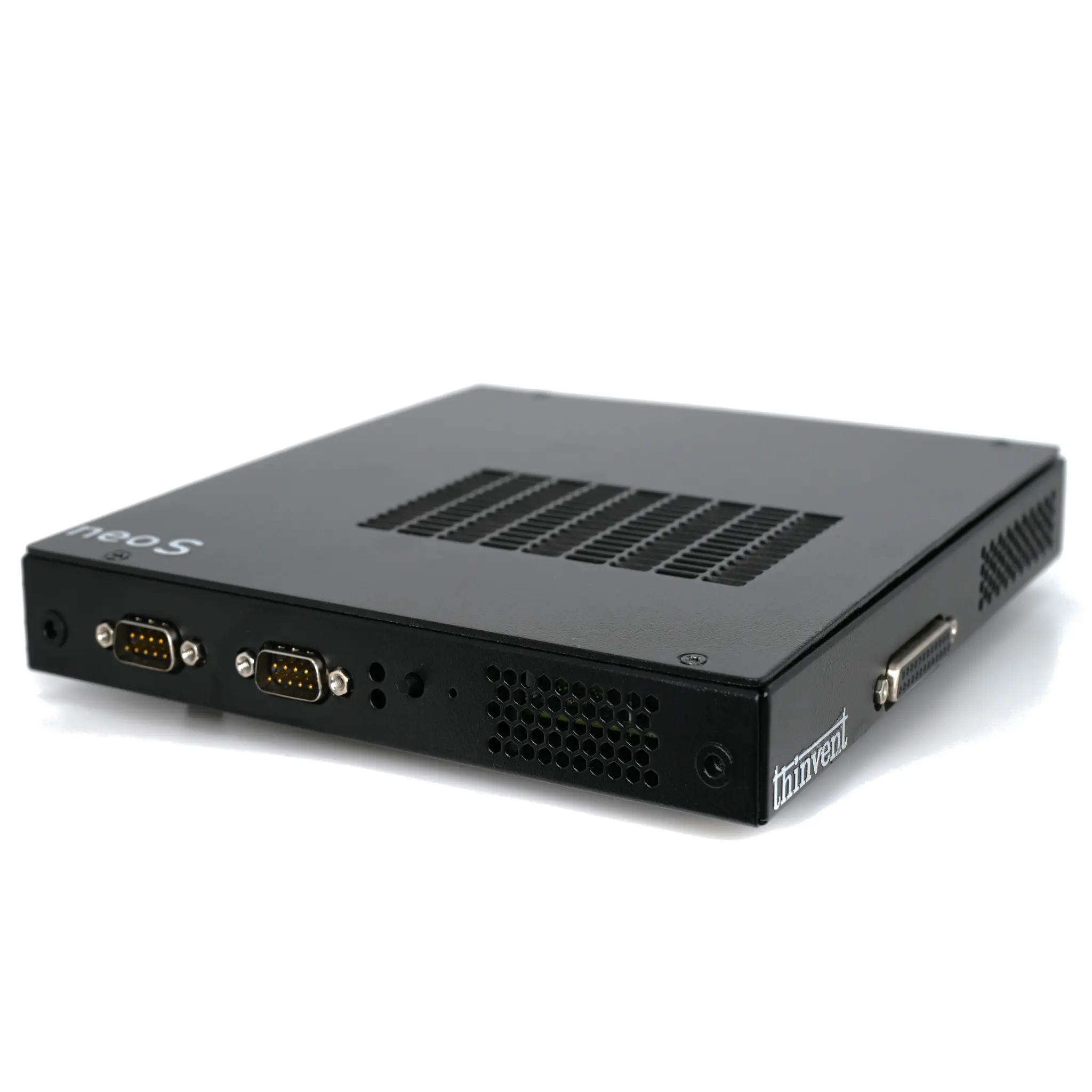
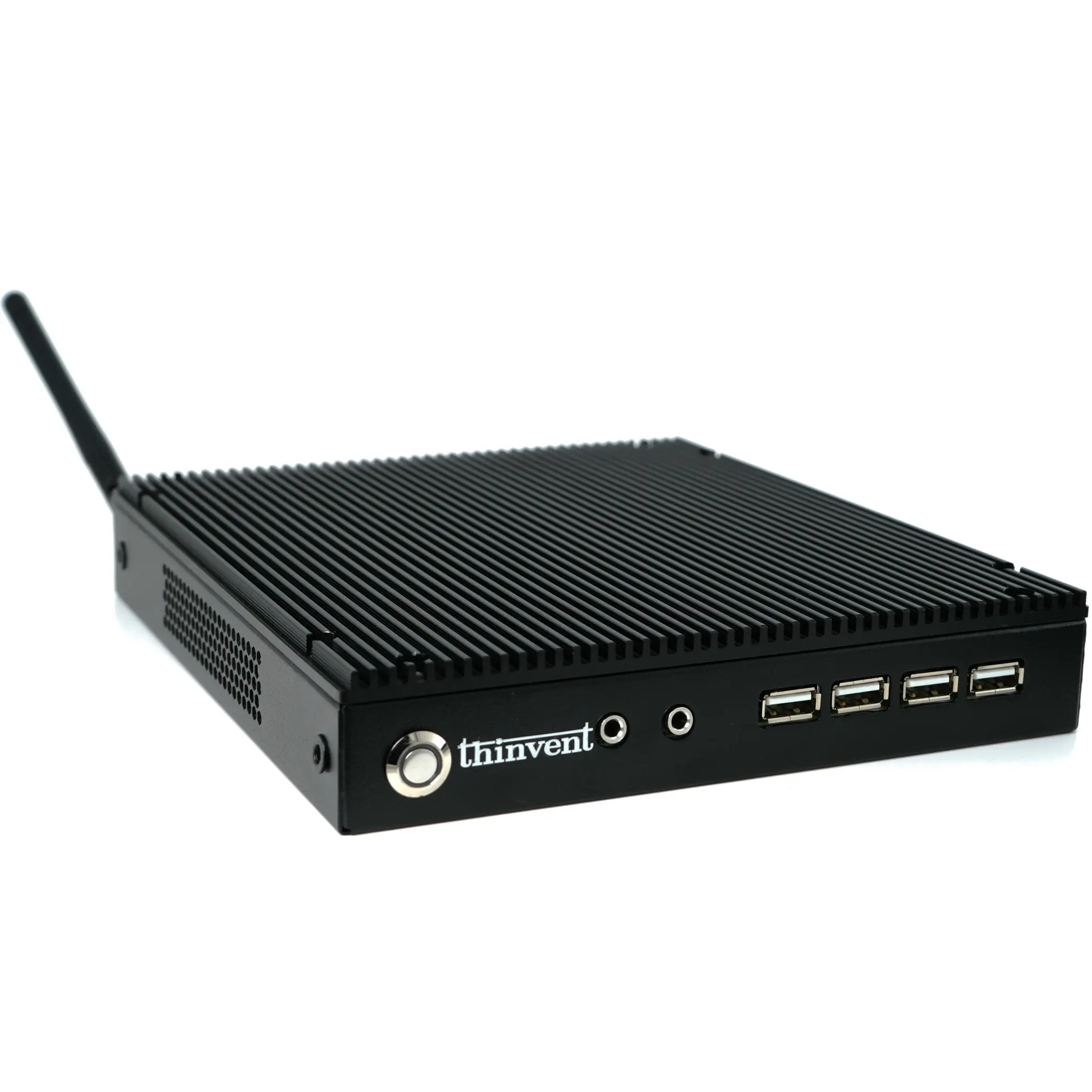
What is an H61 Motherboard Cabinet?
An H61 motherboard cabinet, or chassis, is a specialized enclosure designed to house and protect an industrial-grade H61 chipset motherboard. The H61 chipset is an Intel platform from the 2nd and 3rd generation Core processor era (Sandy Bridge/Ivy Bridge), known for its reliability, stability, and cost-effectiveness in embedded and industrial applications. These cabinets provide the structural framework, cooling, and connectivity ports necessary for the motherboard to operate in demanding environments.
Key Specifications and Technical Details
A typical H61-based industrial system features an LGA 1155 socket supporting Intel Core i3, i5, i7, Pentium, or Celeron processors (2nd/3rd Gen). The chipset supports DDR3 memory, SATA II (3 Gb/s) storage interfaces, and integrated Intel HD Graphics. The accompanying cabinet is designed for durability, often featuring heavy-gauge steel construction, lockable compartments, and support for multiple expansion slots (like PCI or PCIe) for adding specialized I/O cards, additional networking, or other industrial interfaces. Cooling is a critical design aspect, with many cabinets utilizing fanless designs or strategically placed fans for optimal thermal management in non-climate-controlled settings.
Use Cases and Applications
H61 motherboard cabinets are engineered for longevity and are ideal for applications where system stability over many years is more critical than raw computing speed. Common use cases include:
-
Digital Signage & Kiosks: Powering displays in retail, hospitality, and public information points.
-
Industrial Automation: Serving as a controller for manufacturing equipment, PLCs, or HMIs.
-
Thin Client & Terminal Services: Providing a robust endpoint for virtual desktop infrastructure (VDI).
-
Legacy System Support: Offering a reliable upgrade path for aging industrial PCs that require specific expansion cards or software compatibility with older Windows versions.
Comparison: H61 Systems vs. Modern Compact PCs
| Feature | H61-Based Industrial System | Modern Fanless Mini PC (e.g., Intel N-Series) |
|---|---|---|
| Processor Generation | 2nd/3rd Gen Intel Core (Sandy/Ivy Bridge) | 12th Gen+ Intel (Alder Lake-N, e.g., N100) |
| Performance Profile | Reliable, proven, sufficient for dedicated tasks | Higher efficiency, better performance-per-watt |
| Form Factor | Often larger, designed for internal expansion | Ultra-compact, space-saving design |
| Power Consumption | Higher, typically 35W+ for CPU alone | Very low, often under 10W for entire system |
| Primary Advantage | Expansion slots, long-term component availability | Size, energy efficiency, modern connectivity |
Thinvent Solutions for Industrial Computing
While Thinvent specializes in modern, high-efficiency computing solutions like our fanless Aero Mini PCs, we understand the industrial need for reliable platforms. Our product philosophy focuses on delivering robust, fanless systems with the latest processors (like the Intel N100) that offer superior performance, lower power consumption, and a smaller footprint than legacy H61 systems, often at a comparable total cost of ownership. For applications requiring specific legacy compatibility or expansion, our engineering team can provide guidance on the most effective modern alternative or custom solution to meet your operational requirements.