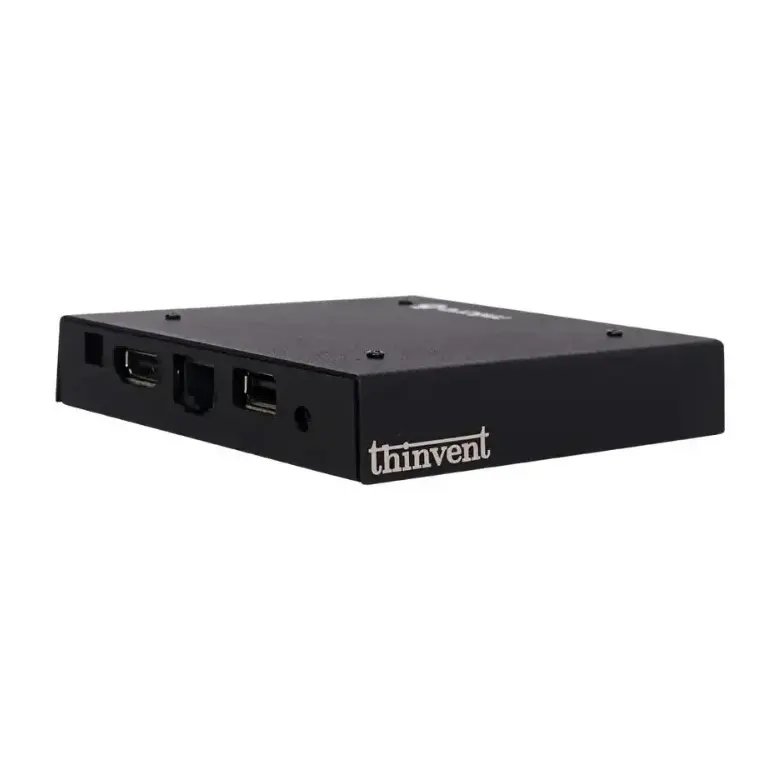
What are Hard Soft Industrial Computers?
"Hard Soft" refers to a comprehensive approach to industrial computing, combining robust hardware designed for demanding environments with flexible, purpose-built software solutions. These systems are engineered to operate reliably in conditions where standard commercial computers would fail, such as extreme temperatures, high vibration, dust, moisture, and continuous 24/7 operation. The "soft" aspect involves the operating system and application software, which can be tailored for specific industrial tasks, ranging from lightweight embedded Linux for simple control to full-featured Windows for complex data processing.
Key Specifications and Technical Features
Industrial computers are defined by their durability and specialized components. Key hardware specifications include wide-range power input (e.g., 9V-36V DC) for unstable power grids, fanless cooling systems for silent and dust-proof operation, and ruggedized enclosures often made of aluminum alloy. They feature a range of processors, from power-efficient ARM cores (like Cortex A53/A55) for basic connectivity and display tasks to high-performance Intel Core processors (i3, i5, 12th/14th Gen) for data-intensive applications. Storage typically utilizes reliable solid-state drives (SSD) or eMMC, and memory configurations are soldered or use industrial-grade SODIMMs for shock resistance. I/O ports are abundant, including multiple COM (RS-232/485) for legacy machinery, LAN ports with optional PoE, and digital I/O for sensor/actuator control.
Applications and Use Cases
These computers are the backbone of modern industrial automation and digital signage.
-
Factory Automation & Machine Control: Serving as PLCs or HMIs on the shop floor, controlling production lines and robotic arms.
-
Digital Signage & Kiosks: Powering information displays, interactive kiosks, and menu boards in retail, transportation hubs, and public venues.
-
Thin Client & VDI: ARM-based models are ideal as zero or thin clients for accessing virtual desktops in offices, call centers, and healthcare.
-
Edge Computing & IoT Gateways: Collecting, processing, and transmitting data from sensors and equipment at the network edge.
-
Transportation & In-Vehicle Systems: Used in fleet management, passenger infotainment, and mobile data terminals due to vibration resistance.
Comparison of Common Industrial Computing Platforms
| Feature | ARM-Based Thin Clients (e.g., Micro 5/6) | Intel x86 Industrial PCs (e.g., IPC, Aero Series) |
|---|---|---|
| Core Architecture | ARM (RISC) | x86 (CISC) |
| Typical Use Case | Display, Thin Client, Basic Connectivity | Data Processing, Machine Control, Edge Analytics |
| Power Consumption | Very Low (5-10W) | Low to Moderate (15-65W) |
| Performance Profile | Excellent for dedicated, lightweight tasks | High for multi-tasking and complex computations |
| Thermal Design | Completely Fanless | Often Fanless for reliability |
| Software Ecosystem | Linux-based (Thinux, Ubuntu), Android | Full Windows/Linux support, broader application compatibility |
| I/O & Expandability | Basic (HDMI, USB, WiFi) | Extensive (Multiple COM, LAN, GPIO, expansion slots) |
Thinvent's Range of Hard Soft Industrial Computing Solutions
Thinvent offers a comprehensive portfolio of industrial-grade computing devices designed for reliability and versatility. Our product lines cater to the full spectrum of "Hard Soft" needs. For lightweight, energy-efficient terminal applications, the Thinvent Micro Series (Micro 5 Wifi, Micro 6 Pro) provides robust ARM-based performance with Thinux™ embedded Linux. For more demanding computational tasks on the factory floor or as edge servers, the Thinvent IPC Series (IPC1, IPC3, IPC5) and Aero Mini PC series deliver the power of Intel Core and Intel Processor N-series CPUs in fanless, rugged enclosures. Whether your project requires the ultimate in power efficiency or raw processing performance for Windows/Linux applications, Thinvent has a solution engineered for 24/7 operation in challenging environments.