What is a High-Speed Processor for a PC?
A high-speed processor, or CPU, is the central component that determines a computer's overall performance. It executes instructions, processes data, and manages system resources. For industrial and embedded PCs, speed is measured not just by clock frequency (GHz) but also by core count, cache size, architecture efficiency, and thermal design power (TDP). Modern high-speed processors deliver the computational power needed for demanding applications while often operating within the power and thermal constraints of fanless, rugged systems.
Key Specifications and Technical Details
When evaluating a high-speed processor, several technical specifications are critical:
-
Clock Speed (Base/Turbo Frequency): Measured in Gigahertz (GHz), this indicates how many cycles per second the processor can execute. Higher frequencies generally mean faster single-threaded performance.
-
Core Count: Modern processors feature multiple cores (e.g., 4, 6, 10, 12), allowing them to handle multiple tasks simultaneously through parallel processing.
-
Cache Memory: This is the processor's onboard high-speed memory (e.g., 6MB, 12MB). A larger cache significantly improves performance by reducing the time needed to fetch data from the main system RAM.
-
Generation & Architecture: Newer processor generations (e.g., Intel's 12th, 13th, 14th Gen) offer improved performance per clock cycle, better integrated graphics, and enhanced power efficiency compared to older architectures.
-
Thermal Design Power (TDP): This rating (in watts) indicates the heat generated under load. For industrial PCs, lower TDP processors are ideal for fanless, sealed designs that require high reliability in harsh environments.
Applications and Use Cases
High-speed processors are essential for applications where latency, data throughput, and computational power are non-negotiable.
-
Industrial Automation & Control: Running complex PLC software, machine vision systems, and real-time monitoring dashboards.
-
Digital Signage & Kiosks: Driving multiple high-resolution displays with smooth 4K video playback and interactive content.
-
Edge Computing & IoT Gateways: Processing and analyzing data from sensors and devices locally before sending it to the cloud, reducing latency and bandwidth costs.
-
Thin Client & VDI Hosts: Serving as powerful hosts for virtual desktop infrastructure, enabling multiple users to run resource-intensive applications from a central server.
Processor Comparison for Industrial PCs
| Feature | Entry-Level (e.g., Intel N-Series) | Mid-Range (e.g., Intel Core i3/i5) | High-Performance (e.g., Intel Core i7/i9) |
|---|---|---|---|
| Typical Cores | 4 Cores | 6-10 Cores | 10-14+ Cores |
| Clock Speed | Up to ~3.4 GHz | Up to ~4.5 GHz | Up to ~5.0+ GHz |
| Cache | 6 MB | 12 MB | 24 MB+ |
| TDP | Low (~6-15W) | Moderate (~15-28W) | High (28W+) |
| Ideal For | Basic HMI, Digital Signage, Thin Clients | Multi-tasking, Light CAD, Edge Analytics | Advanced Simulation, AI Inference, Server Hosting |
Thinvent PCs with High-Speed Processors
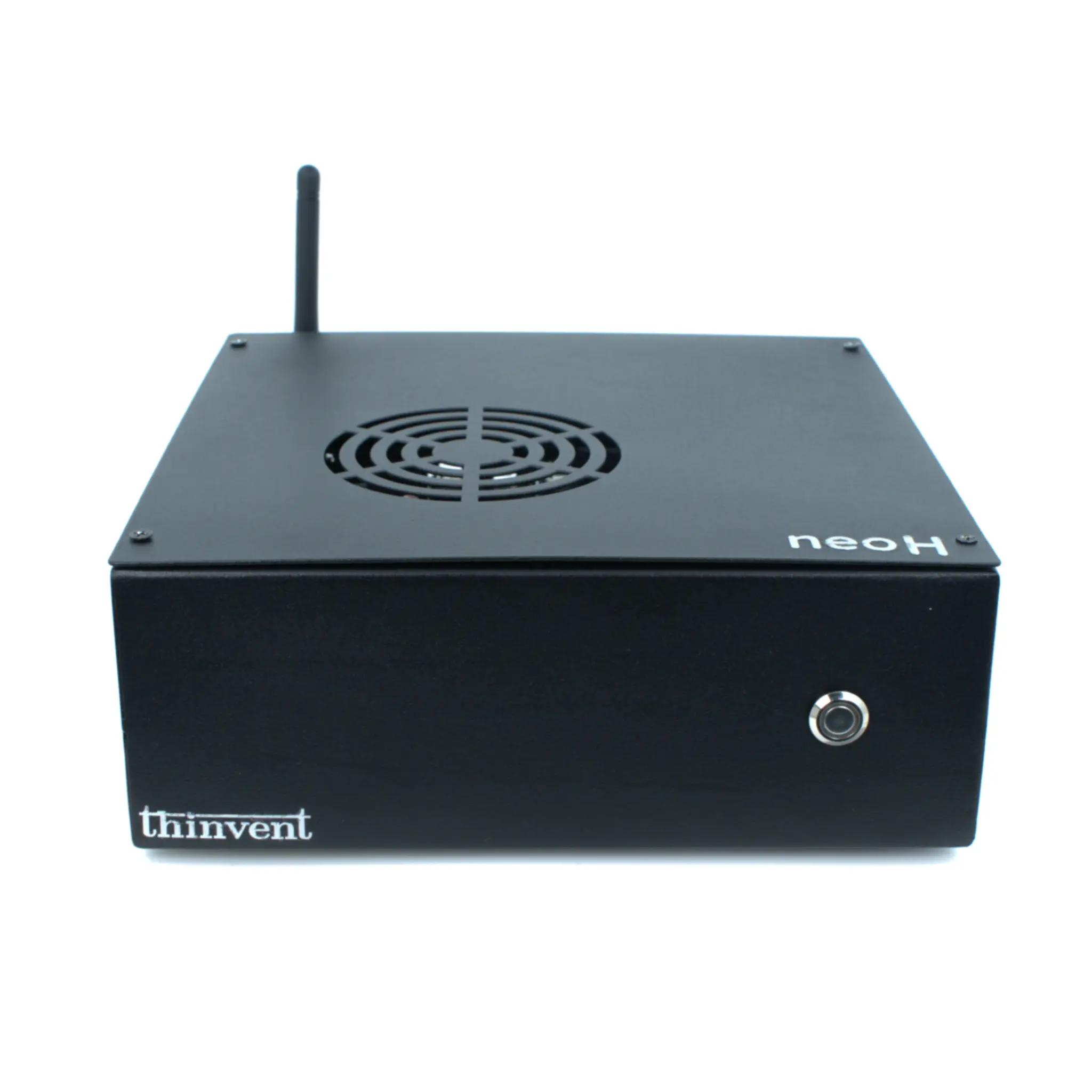
Thinvent's range of industrial computers is engineered to leverage the latest high-speed processor technology within robust, reliable form factors. Our product lines include compact Mini PCs and versatile Industrial PCs featuring Intel processors from the efficient N-series up to the powerful Core i5 series. These systems are built with fanless cooling for silent, maintenance-free operation in demanding settings like factories, retail environments, and transportation hubs. Whether you need a low-power node for a sensor network or a high-performance workstation for data analysis, Thinvent integrates speed, reliability, and industrial-grade durability.