What Are High-Performance Industrial Computer Workstations?
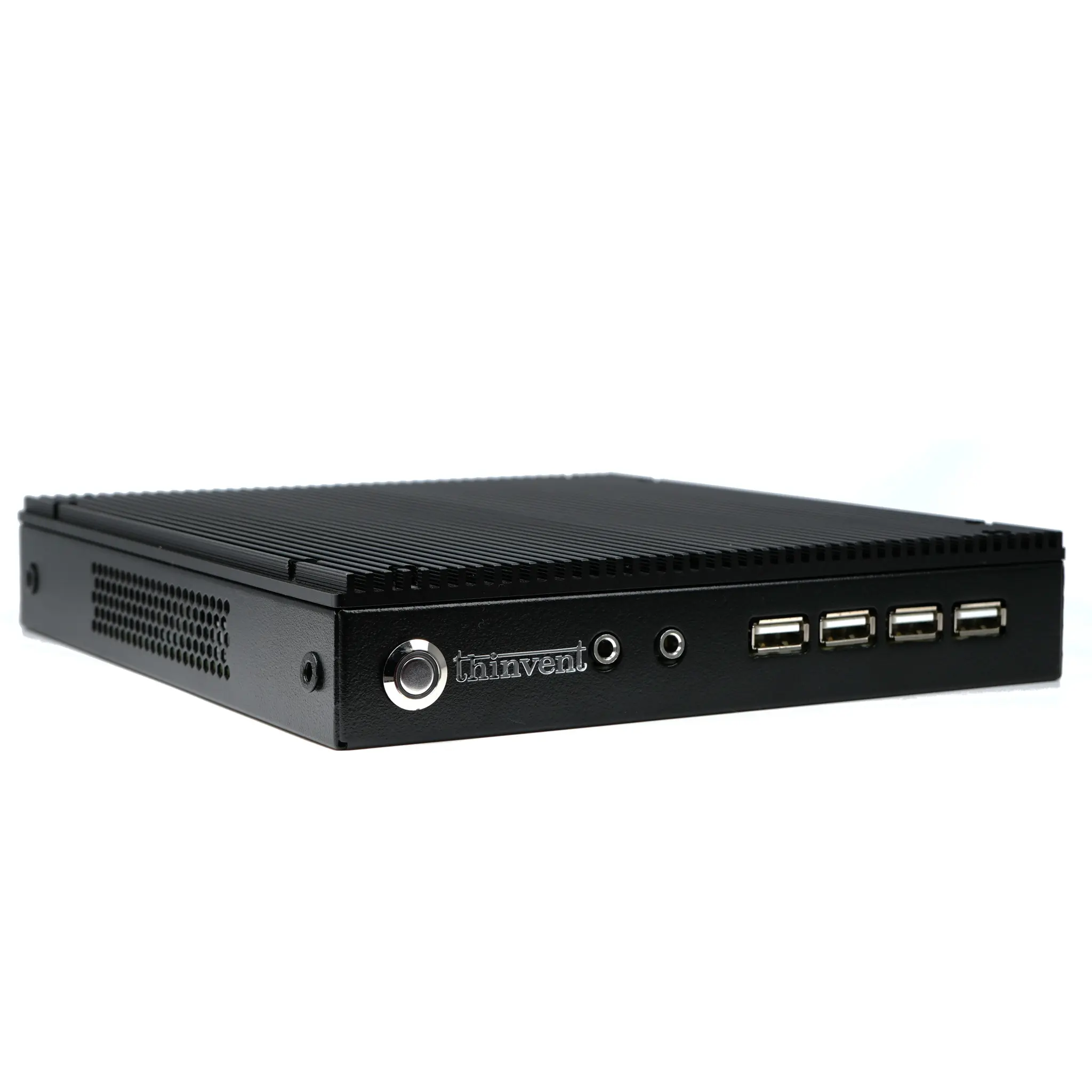
High-performance industrial computer workstations are specialized computing systems engineered for demanding, mission-critical environments. Unlike standard office PCs, these workstations are built with industrial-grade components, feature robust thermal management (often fanless designs), and are housed in durable enclosures to withstand extreme temperatures, dust, vibration, and continuous 24/7 operation. They deliver reliable computational power for complex tasks in automation, data acquisition, and real-time processing.
Key Specifications and Technical Details
The core of these workstations is defined by their processing power, memory, storage, and connectivity. Performance scales from efficient ARM-based systems for dedicated tasks to powerful Intel Core processors for heavy computing. Key specifications include:
-
Processors: Ranging from ARM Cortex (A53, A55) for low-power, embedded applications to Intel processors (N100, Core i3/i5 12th/14th Gen) for high-performance computing.
-
Memory & Storage: Configurations span from 2GB/4GB RAM with 16GB/64GB eMMC storage for lightweight OS deployments, up to 16GB DDR4 RAM with 512GB SSDs for data-intensive workloads.
-
Robust Design: Features include wide-voltage DC power input (e.g., 12V 7A), industrial operating temperature ranges, and often fanless, sealed chassis for dust and particulate protection.
-
Operating Systems: Support for embedded Linux (Thinux™), Ubuntu Linux, and Windows IoT/Pro ensures compatibility with industrial software and long-term stability.
Primary Use Cases and Applications
These rugged workstations are deployed across industries where reliability is non-negotiable.
-
Factory Automation & Control: Serving as PLC supervisors, HMI stations, and machine vision controllers on the factory floor.
-
Digital Signage & Kiosks: Powering interactive displays in retail, transportation hubs, and public venues with 24/7 reliability.
-
Edge Computing & IoT Gateways: Processing and analyzing data from sensors and equipment at the network edge before sending it to the cloud.
-
Thin Client & VDI Infrastructure: Acting as robust endpoints for virtual desktop environments in industrial and corporate settings.
-
Test & Measurement: Controlling laboratory equipment and acquiring high-fidelity data in research and development.
Comparison of Industrial Workstation Tiers
| Tier | Processor Example | Typical RAM/Storage | Ideal For | Key Traits |
|---|---|---|---|---|
| Entry / Embedded | ARM Cortex A55 (4-core) | 4GB / 64GB eMMC | Digital Signage, Basic HMIs, Thin Clients | Ultra-low power, fanless, compact |
| Mainstream | Intel Processor N100 (4-core) | 4-8GB / 128-256GB SSD | Edge Gateways, Kiosks, Light Control | Balanced performance & efficiency |
| High Performance | Intel Core i5-1240P (12-core) | 16GB / 512GB SSD | Machine Vision, Data Analytics, CAD | High core count, maximum turbo frequency |
Thinvent's Range of Industrial Computer Workstations
Thinvent offers a comprehensive portfolio of industrial-grade computing solutions designed for global deployment. Our product lines cater to every performance requirement:
-
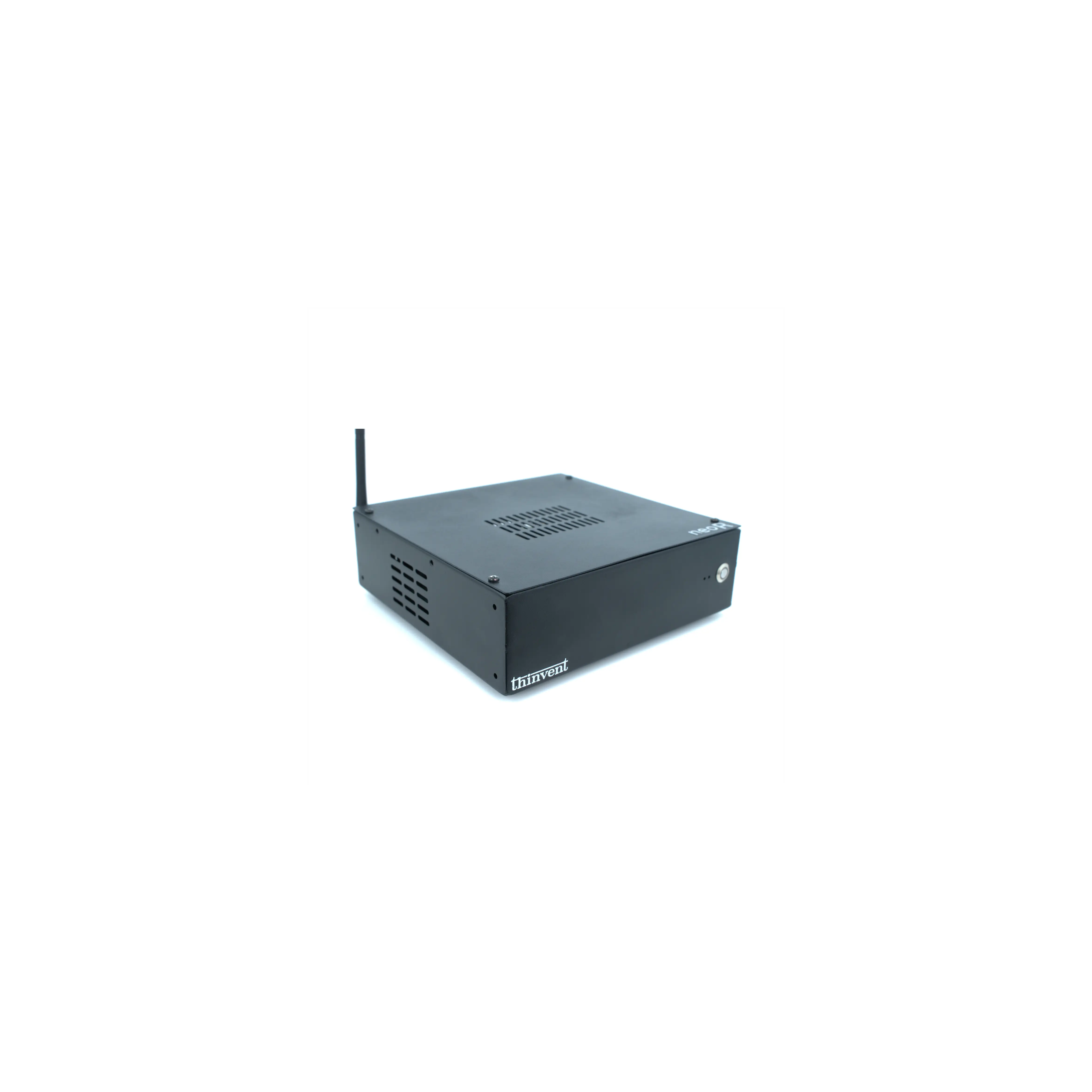
Micro Series: Featuring ARM-based processors like the Cortex A53 and A55, these units are ideal for ultra-compact, fanless designs perfect for space-constrained and low-power applications such as thin clients and digital signage. Models include the Micro 5 Wifi Thin Client and Micro 6 Pro Mini PC.
-
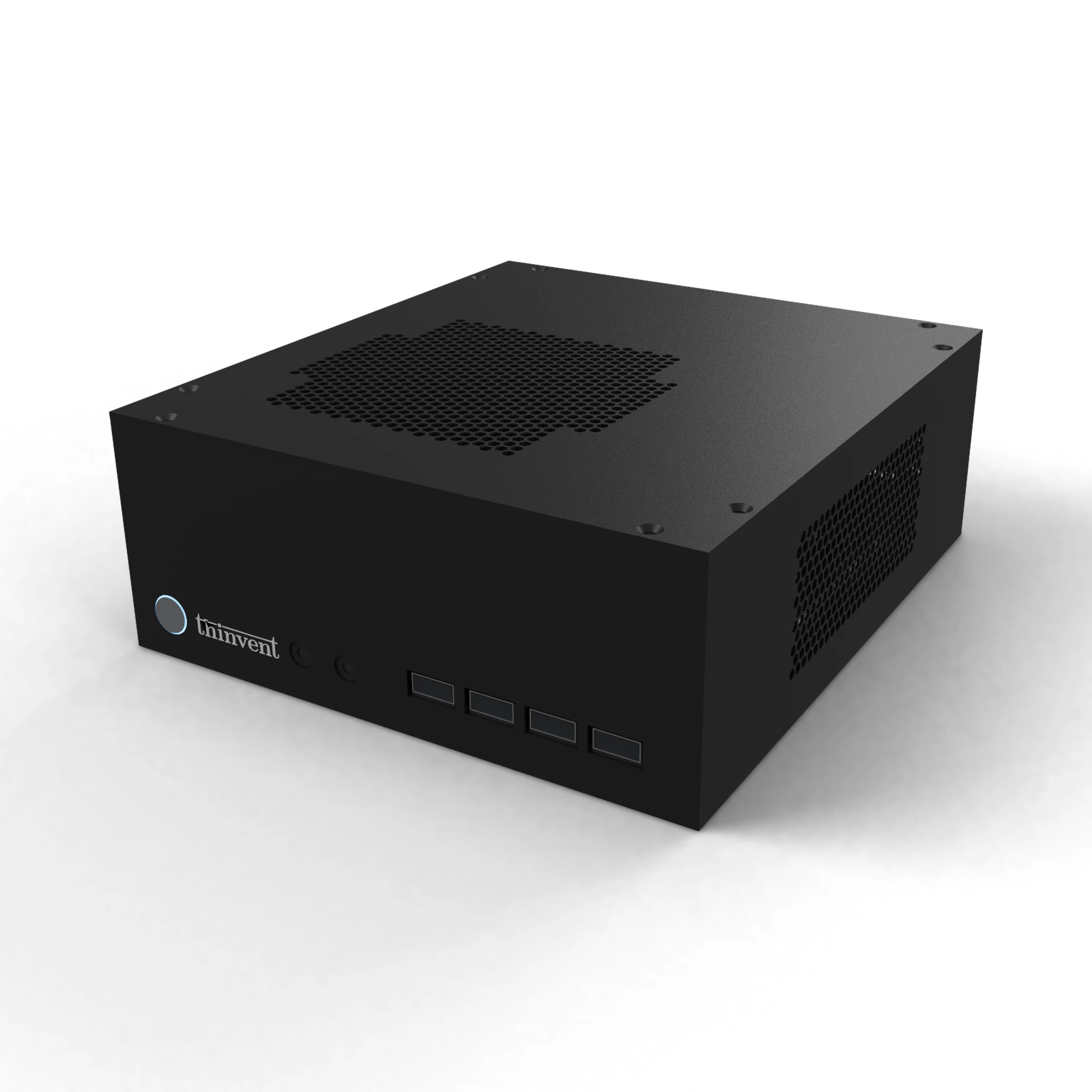
Treo & IPC Series: Powered by efficient Intel processors like the N100, these workstations provide a robust balance of performance and reliability for mainstream industrial tasks. The Treo Mini PC and Industrial PC IPC1 are exemplary models in this category.
-
Aero & High-Performance IPC Series: For the most demanding computational workloads, Thinvent offers systems with Intel Core i3, i5, and newer generation processors. The Industrial PC IPC5 with a 12-core i5-1240P and the Aero Mini PC with a 14th Gen Intel Core 5 120U deliver desktop-level performance in an industrial, often fanless, form factor. These systems are built to handle complex automation, real-time analytics, and intensive graphical applications with unwavering stability.