What is a Mini PC Workstation?
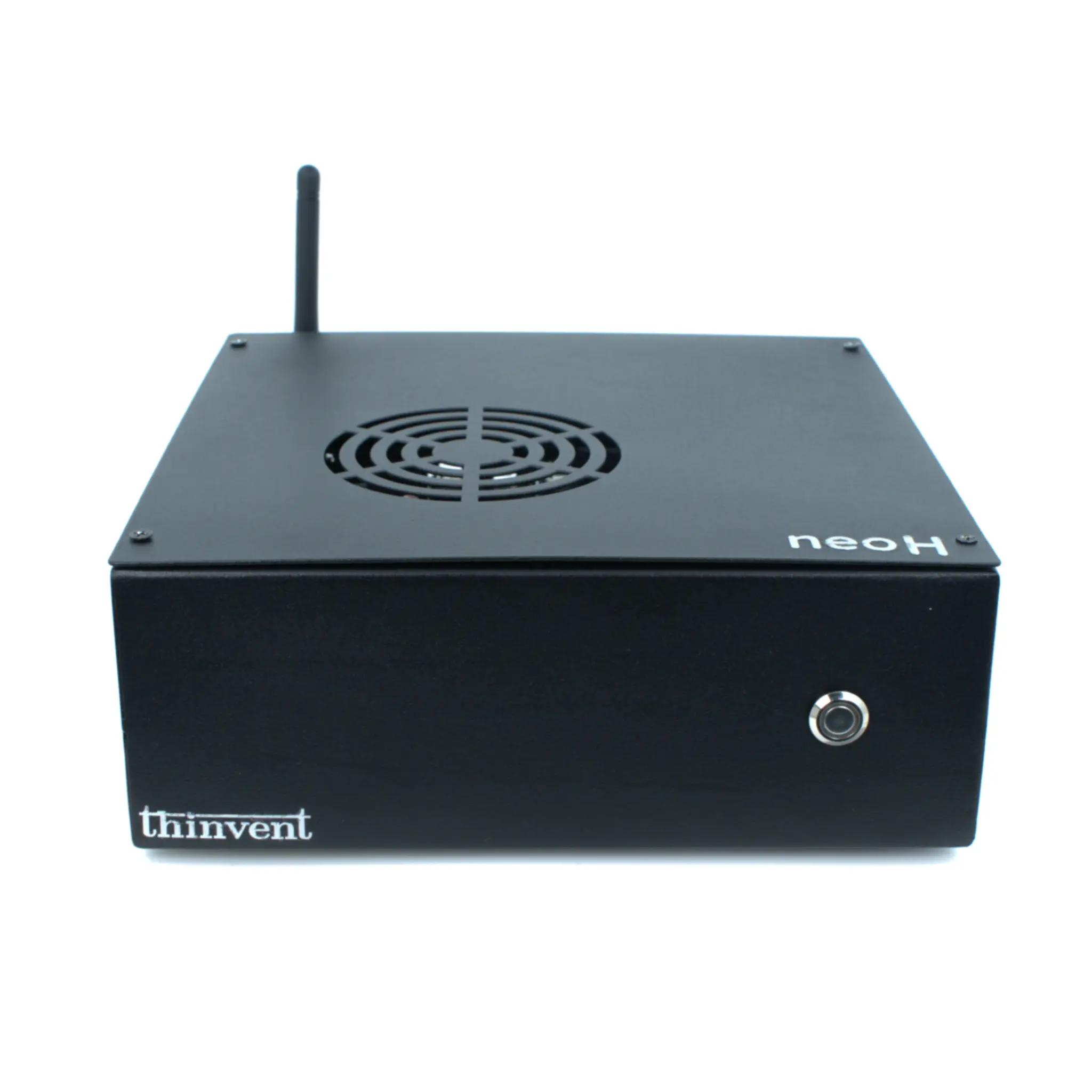
A mini PC workstation is a compact, high-performance desktop computer designed for professional computing tasks. Unlike bulky traditional towers, these systems offer a small form factor—often the size of a book—while delivering the processing power, memory, and connectivity required for demanding applications. They are engineered for reliability, often featuring fanless cooling for silent, maintenance-free operation in industrial and office environments. The query "HP Z2 Mini G3 Workstation" refers to a specific commercial model, and this category encompasses similar compact, powerful computing solutions.
Key Specifications and Technical Details
Modern mini PC workstations are built around efficient, powerful processors. Key specifications to consider include:
-
Processor: Intel Core i-series (e.g., i3, i5) or high-performance Intel N-series CPUs (e.g., N100, N150) for balanced power and efficiency.
-
Memory (RAM): Typically 8GB to 64GB of DDR4 or DDR5 RAM to handle multitasking and memory-intensive software.
-
Storage: Fast SSD storage from 128GB to 1TB or more for quick boot times and application loading.
-
Connectivity: Multiple high-speed ports are standard, including USB 3.2/Type-C, HDMI/DisplayPort for multi-monitor setups, and Gigabit Ethernet for reliable networking.
-
Design: A fanless, sealed chassis is common for dust resistance and silent operation, making them ideal for 24/7 use.
Use Cases and Applications
These versatile systems are deployed across various sectors due to their power and small footprint.
-
Digital Signage & Kiosks: Driving multiple high-resolution displays in retail, hospitality, and public information systems.
-
Industrial Automation: Serving as a control unit for machinery, PLCs, and HMI interfaces in manufacturing.
-
Office Productivity: A space-saving desktop solution for general office work, video conferencing, and financial applications.
-
Thin Client & VDI: Acting as an endpoint for virtual desktop infrastructure in corporate and educational settings.
-
Edge Computing: Processing data locally in IoT networks, retail POS systems, and surveillance setups.
Comparison: Mini PC vs. Traditional Workstation
| Feature | Mini PC Workstation | Traditional Tower Workstation |
|---|---|---|
| Form Factor | Extremely compact (book-sized) | Large and bulky |
| Cooling | Often fanless (silent, no dust intake) | Active fans (can be noisy) |
| Power Consumption | Low, highly energy-efficient | High |
| Expandability | Limited (typically RAM/SSD only) | High (multiple PCIe slots, drive bays) |
| Deployment | Ideal for space-constrained, embedded, and 24/7 use | Best for high-expansion needs (e.g., dedicated GPUs) |
| Typical Environment | Office, industrial floor, retail, digital signage | Dedicated IT room, design studio |
Thinvent's Mini PC Workstation Solutions
Thinvent offers a robust range of industrial-grade mini PCs that serve as excellent alternatives and complements to commercial workstation models. Our Aero series, for example, features the latest Intel processors in a rugged, fanless chassis designed for continuous operation. These systems are built with industrial components for enhanced durability and come with flexible OS options, including Windows 11 Pro, Ubuntu Linux, and our own Thinux™ Embedded OS. Whether you need a reliable node for a digital signage network, a compact controller for automation, or a space-saving office PC, Thinvent's mini PCs provide professional-grade performance in a resilient, compact package.