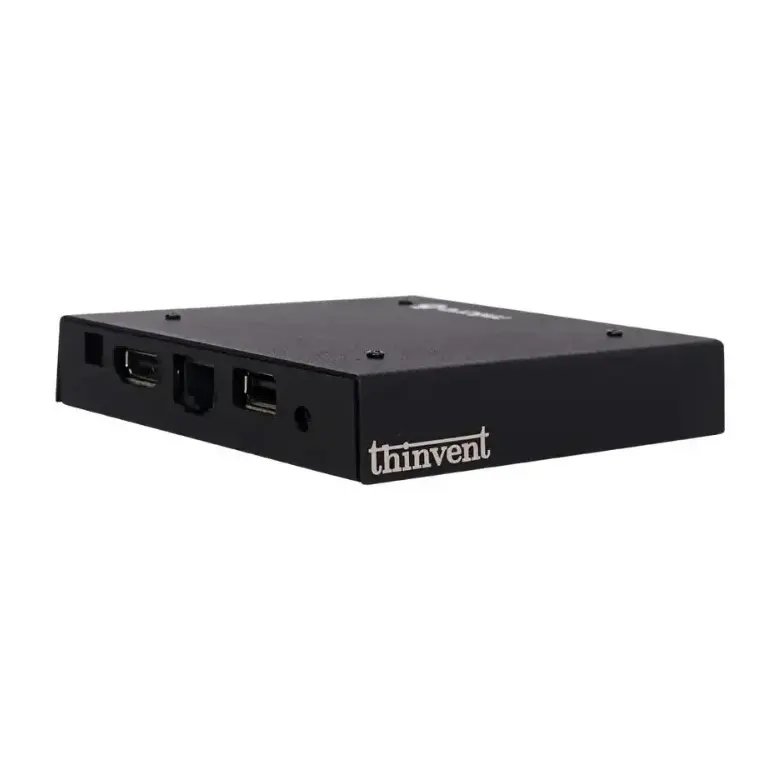
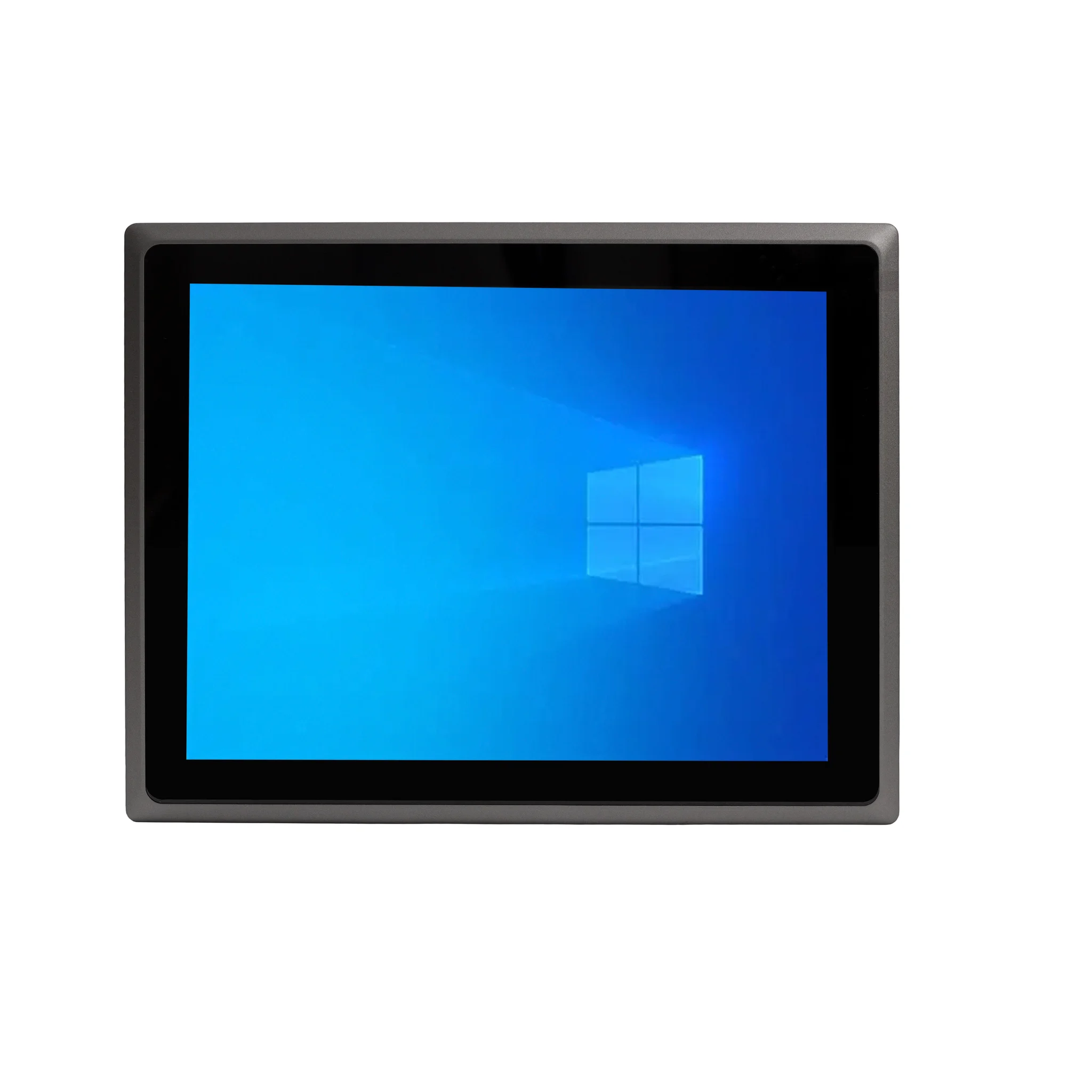
The HP Z2 Mini G5 Workstation is a mini PC with an Intel Core i9 processor, a maximum of 32 GB RAM and a maximum of 1024 GB storage, shipped with Windows 10 Pro. The closest Thinvent match is the Thinvent Treo Mini PC with Intel Core i7-1255U, which supports up to 64 GB RAM and 2 TB SSD and lets you choose from six operating systems.
HP Z2 Mini G5 Workstation i9 vs Thinvent Treo Mini PC
| HP Z2 Mini G5 Workstation i9 | Thinvent Treo Mini PC, Intel i7 12th 1255U | |
|---|---|---|
| Processor | Intel Core i9 | Intel Core i7-1255U (10 cores, up to 4.7 GHz) |
| Cores/Threads | Not confirmed | 10 cores |
| RAM | Up to 32 GB | Up to 64 GB |
| Storage | Up to 1024 GB | Up to 2 TB SSD |
| Form Factor | Mini PC | Mini PC |
| Operating System | Windows 10 Pro | Windows 11 Pro (also Windows 11 IoT Value, Ubuntu Linux, Thinux Embedded Linux, Without OS, DOS) |
Key differences
-
The Thinvent Treo Mini PC supports up to 64 GB RAM, twice the 32 GB maximum of the HP Z2 Mini G5.
-
The Thinvent Treo Mini PC supports up to 2 TB of SSD storage, against a 1024 GB maximum for the HP Z2 Mini G5.
-
The Thinvent Treo Mini PC has Windows 11 Pro, Windows 11 IoT Value, Ubuntu Linux, Thinux Embedded Linux, a no-OS option and DOS. The HP Z2 Mini G5 ships with Windows 10 Pro.
-
The Thinvent Treo Mini PC has two Ethernet ports, dual-band Wi-Fi 5 is an option, and it includes a VESA mount.
-
The HP Z2 Mini G5 uses an Intel Core i9 processor, a higher processor series than the Core i7 in the Thinvent Treo Mini PC.
-
The Thinvent Treo Mini PC has a 1 metre-class operating range of 0°C to 40°C and is built with an aluminium housing.
Which one should you choose?
Choose the HP Z2 Mini G5 Workstation if you need an Intel Core i9 processor in a mini workstation with Windows 10 Pro. Choose the Thinvent Treo Mini PC if you need more RAM and storage, a choice of operating systems, or Linux support in a compact mini PC.