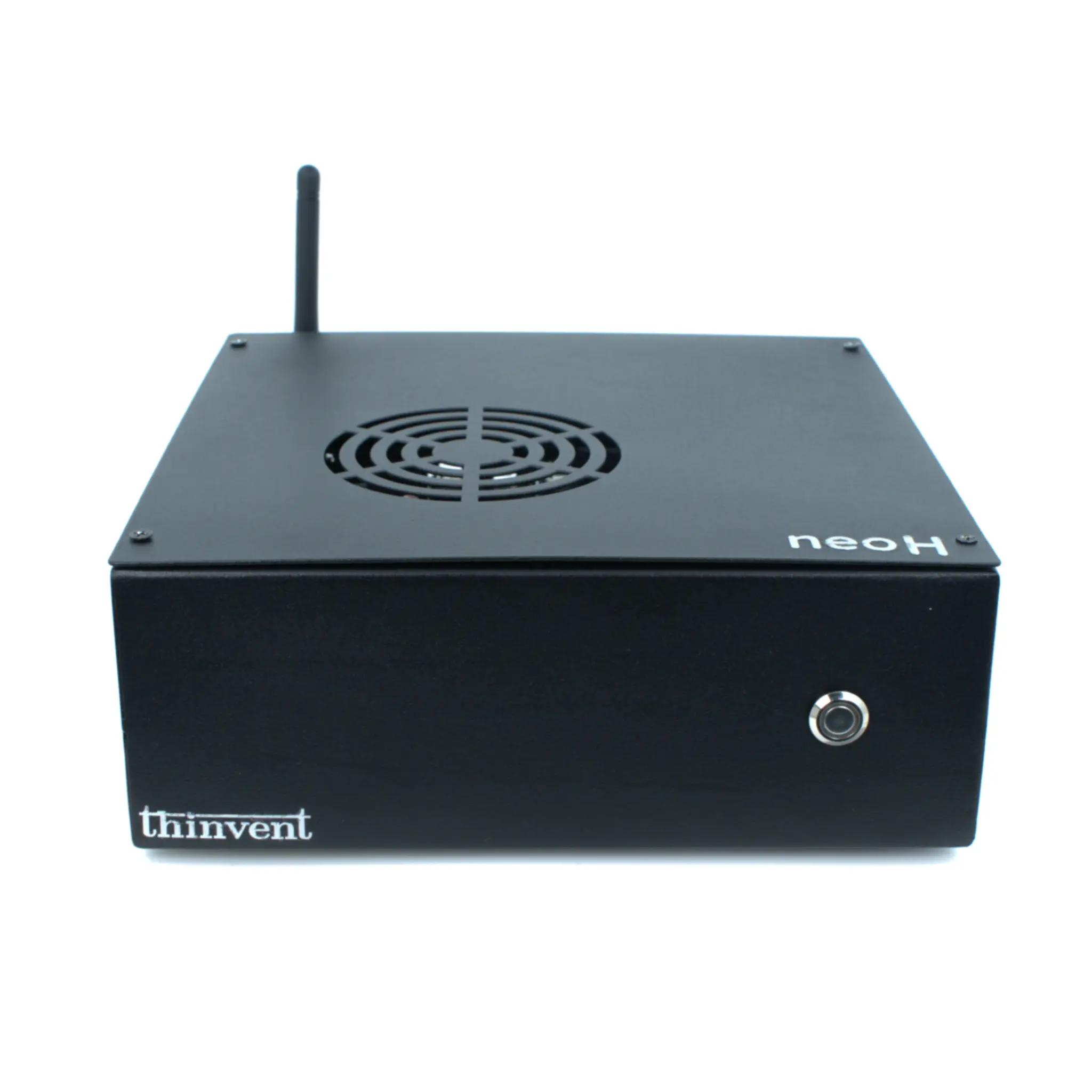
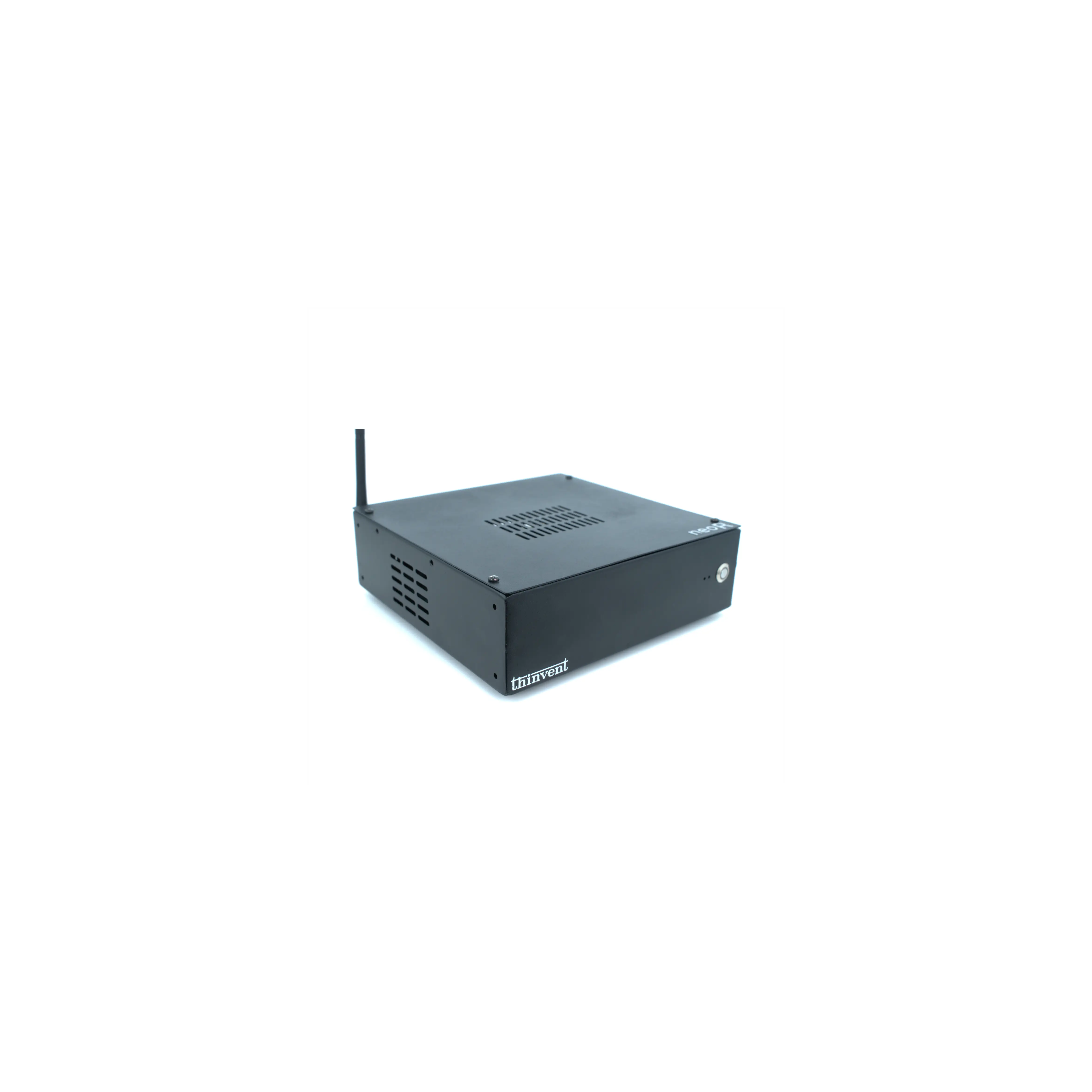
What is a Mini PC?
A Mini PC is a compact, space-saving desktop computer that delivers full computing functionality in a significantly smaller form factor than a traditional tower. These devices are designed for efficiency, low power consumption, and quiet, often fanless operation, making them ideal for environments where space, noise, and reliability are critical. They typically feature modern processors, solid-state storage, and a range of connectivity options to handle everyday computing tasks, digital signage, and embedded applications.
Key Specifications and Technical Details
Modern industrial-grade Mini PCs are built around efficient processors like the Intel N-series (e.g., N100), which offer a balance of performance and low thermal design power (TDP). Common configurations include 4 to 16GB of DDR4 RAM and fast SSD storage from 128GB to 1TB. Key technical features often include:
-
Fanless Design: Passive cooling for silent, dust-resistant operation, crucial for 24/7 reliability.
-
Rich I/O: Multiple USB ports (including USB 3.2 and Type-C), HDMI/DisplayPort outputs for multi-monitor setups, and Gigabit Ethernet for stable network connectivity.
-
Flexible Power: Often powered via a 12V DC adapter, compatible with a wide range of industrial power supplies.
-
Operating System Support: Options range from Windows 11 Pro/IoT and Ubuntu Linux to headless or embedded OS configurations for specialized applications.
Use Cases and Applications
The small size and robust build of Mini PCs make them exceptionally versatile. Primary applications include:
-
Digital Signage & Kiosks: Driving displays in retail, hospitality, and public information points.
-
Office Productivity: A compact, energy-efficient desktop solution for general office work, web browsing, and communication.
-
Industrial Automation: Acting as a controller or HMI in manufacturing and process control environments due to their durability and wide operating temperature ranges.
-
Thin Client & VDI: Serving as an endpoint for virtual desktop infrastructure, centralizing management and security.
-
Edge Computing: Processing data locally in IoT deployments, smart cities, and transportation systems.
Comparison of Common Mini PC Configurations
| Feature | Entry-Level / IoT Focus | Balanced Performance | High-Performance |
|---|---|---|---|
| Typical Processor | Intel N95, N100, J4125 | Intel i3, i5 (10th-12th Gen) | Intel i5, i7 (13th-14th Gen) |
| Core Count | 4 Cores | 4-6 Cores | 10-14 Cores |
| RAM | 4GB - 8GB DDR4 | 8GB - 16GB DDR4 | 16GB - 64GB DDR4/DDR5 |
| Storage | 128GB SSD | 256GB - 512GB SSD | 512GB - 2TB NVMe SSD |
| Best For | Digital signage, basic kiosks, thin clients | General office, multi-tasking, light graphics | CAD, software development, media processing |
Thinvent Mini PC Solutions
Thinvent offers a robust range of industrial Mini PCs designed for reliability in demanding settings. Our Aero Mini PC series, for example, features the efficient Intel N100 processor in a fanless chassis, ensuring silent and maintenance-free operation. These systems come pre-configured with options for 16GB RAM and 128GB SSD, supporting a variety of operating systems including Windows 11, Ubuntu Linux, and our own Thinux™ Embedded Linux to meet diverse software requirements. Built for 24/7 operation, Thinvent Mini PCs are ideal for commercial deployments, embedded systems, and edge computing applications where durability and consistent performance are non-negotiable.