Understanding Intel Core i5 8th Generation Processors
The Intel Core i5 8th Generation (Coffee Lake) processors represent a significant step in mainstream computing performance. Built on a refined 14nm++ process, these CPUs introduced higher core counts to the i5 series, moving from dual-core to quad-core and hexa-core configurations. This generation is known for delivering a substantial performance uplift over its predecessors, making it suitable for demanding business and industrial applications that require reliable multitasking and processing power.
Key Specifications and Technical Details
A typical 8th Gen Core i5 processor, such as the i5-8400 or i5-8500, features 6 cores and 6 threads. They operate with a base clock speed around 2.8-3.0 GHz and can boost up to 4.0-4.1 GHz under load. These processors include Intel UHD Graphics 630 and support up to 64 GB of DDR4-2666 memory. The thermal design power (TDP) for desktop variants is typically 65W, while mobile versions are designed for lower power consumption. Key technologies include Intel Turbo Boost 2.0, Hyper-Threading (on some models), and enhanced security features.
Use Cases and Applications
Industrial computers powered by 8th Gen i5 processors are ideal for applications requiring a balance of performance, efficiency, and reliability. Common use cases include:
-
Digital Signage & Kiosks: Driving multiple high-resolution displays with smooth media playback.
-
Factory Automation: Running machine vision systems, PLCs, and HMI software.
-
Edge Computing Gateways: Processing and analyzing data from IoT sensors in real-time.
-
Office Workstations: Handling business software, virtualization, and general productivity tasks with ease.
-
Medical Imaging: Supporting diagnostic displays and patient monitoring systems.
Comparison with Newer Generations
While the 8th Gen i5 remains capable, newer generations offer improvements in efficiency, integrated graphics, and core architecture. The table below provides a high-level comparison.
| Feature | 8th Gen i5 (Coffee Lake) | 12th Gen i5 (Alder Lake) | Key Difference |
|---|---|---|---|
| Process Node | 14nm++ | Intel 7 (10nm) | Significant efficiency gain |
| Core Architecture | Homogeneous Cores (6C/6T) | Hybrid (P-cores + E-cores) | Better multi-threaded performance & power management |
| Max Memory Support | DDR4-2666 | DDR4-3200 / DDR5-4800 | Higher bandwidth options |
| Integrated Graphics | UHD Graphics 630 | UHD Graphics 770 | Improved graphics performance |
| PCIe Support | PCIe 3.0 | PCIe 4.0 & 5.0 | Double the bandwidth for expansion cards & storage |
Thinvent Industrial PCs with Core i5 Processors
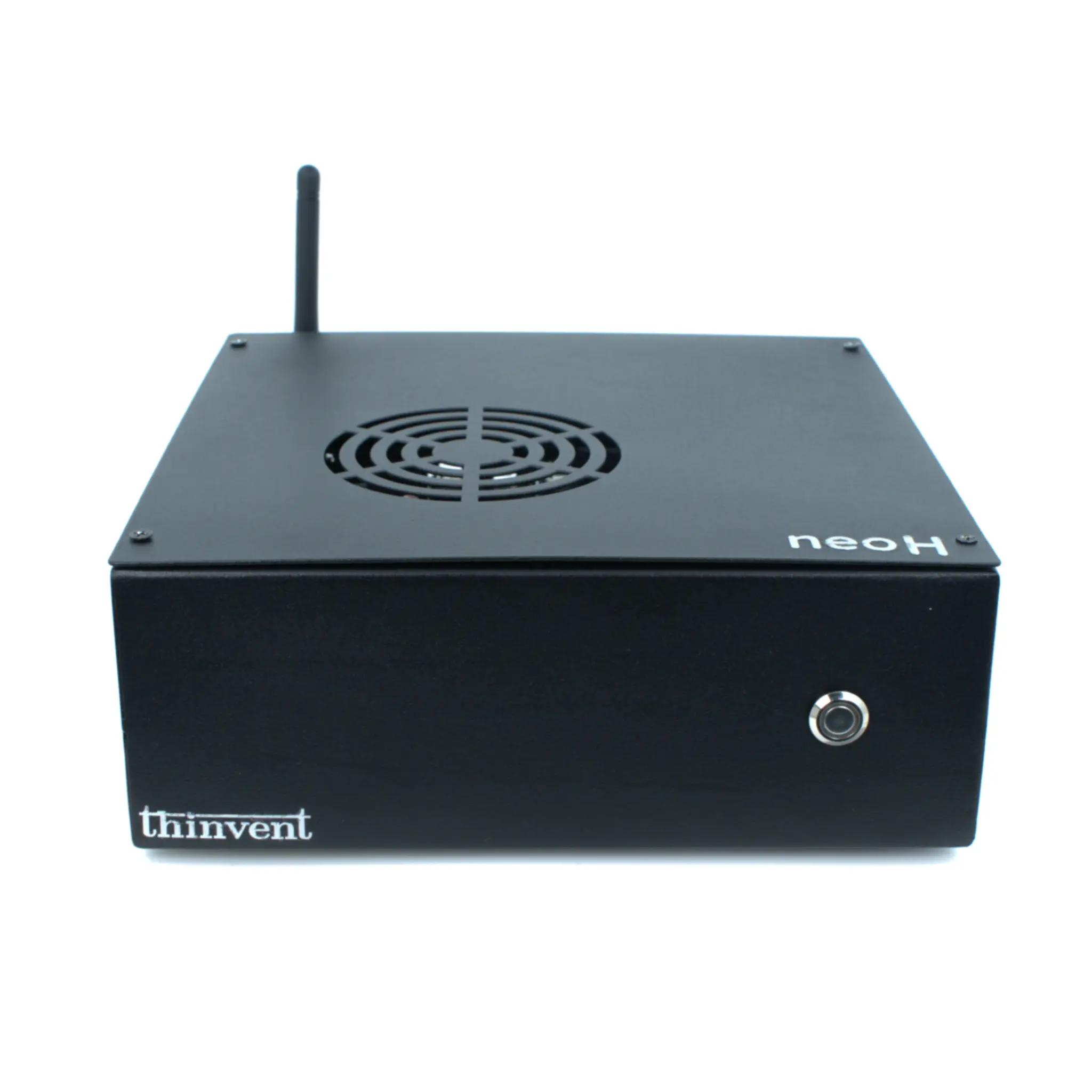
While Thinvent's current product lineup focuses on newer, more efficient processor generations like the 12th Gen Intel N-series and Core series, the performance legacy of the i5 tier is carried forward. Our modern industrial computers, such as fanless Mini PCs and rugged All-in-One systems, utilize the latest Intel Core i3, i5, and i7 processors. These systems offer superior performance-per-watt, enhanced connectivity, and robust construction for 24/7 operation in challenging environments. For users seeking the reliable multitasking performance associated with the i5 class, our current-generation solutions provide a more future-proof, energy-efficient, and feature-rich alternative.