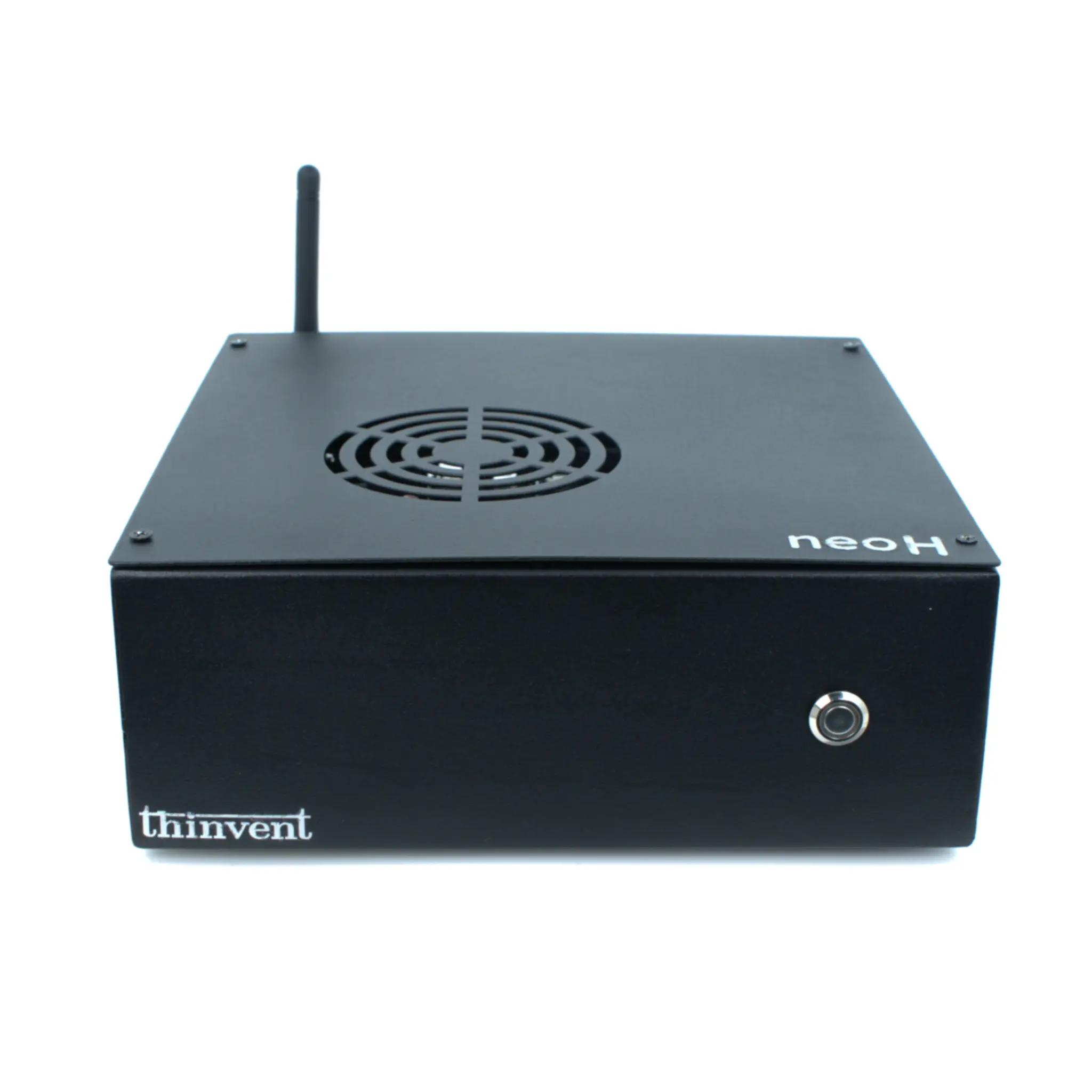
What is a Desktop PC?
A desktop PC is a personal computer designed for regular use at a single location, typically on or near a desk. It consists of a central processing unit (CPU), monitor, keyboard, and mouse. Modern desktop PCs have evolved significantly, with compact, fanless Mini PCs becoming a popular alternative to traditional bulky towers. These systems offer the full functionality of a desktop computer in a space-saving, energy-efficient, and silent form factor, making them ideal for both home and professional environments.
Key Specifications and Technical Details
Modern compact desktop PCs, like Mini PCs, are engineered with powerful, low-power processors such as the Intel® N-series. Key specifications to consider include:
-
Processor: Modern CPUs like the Intel® N100 offer 4 cores, high clock speeds (up to 3.4 GHz), and efficient performance for everyday computing.
-
Memory (RAM): 8GB to 16GB of DDR4 RAM is standard for smooth multitasking, from office applications to media streaming.
-
Storage: Solid State Drives (SSDs) with capacities from 128GB to 512GB provide fast boot times, quick application loading, and reliable data storage.
-
Connectivity: Essential ports include multiple USB 3.2 ports, HDMI for display output, and Gigabit Ethernet for fast, stable network connections.
-
Design: Fanless, compact designs ensure silent operation, dust resistance, and durability, suitable for 24/7 use in various settings.
Use Cases and Applications
Compact desktop PCs are versatile and can be deployed in numerous scenarios:
-
Home & Office Computing: Perfect for web browsing, document editing, video conferencing, and as a general-purpose family computer.
-
Digital Signage & Kiosks: Their small size and fanless operation make them ideal for powering information displays, interactive kiosks, and menu boards in retail and hospitality.
-
Light Industrial & Embedded Applications: Used in light automation, control systems, and as dedicated machines for specific software due to their reliability and low maintenance.
-
Education & Thin Client Environments: Serves as an affordable, centralized computing solution for classrooms or virtual desktop infrastructure (VDI) endpoints.
Comparison: Traditional Tower vs. Modern Mini PC
| Feature | Traditional Desktop Tower | Modern Compact Mini PC |
|---|---|---|
| Form Factor | Large, bulky, requires significant desk/floor space. | Ultra-compact, can be mounted behind a monitor or in tight spaces. |
| Noise Level | Often has cooling fans, which can generate audible noise. | Typically fanless for completely silent operation. |
| Power Consumption | Higher, due to larger components and less efficient designs. | Very low power draw, leading to energy savings. |
| Portability | Difficult to move and set up. | Highly portable and easy to deploy or relocate. |
| Typical Use Case | High-performance gaming, video editing, workstations. | Everyday computing, business applications, digital signage, embedded systems. |
Thinvent Compact Desktop Solutions
Thinvent specializes in manufacturing robust, industrial-grade compact desktop PCs designed for reliability and continuous operation. Our product range, such as the Aero Mini PC series, features the latest efficient Intel® processors, ample DDR4 RAM, and fast SSD storage. Built with fanless cooling technology, these systems operate silently and are built to withstand demanding environments. Whether you need a system for office productivity, digital signage, or a custom embedded application, Thinvent offers a range of configurations with various operating system options, including Windows 11 Pro, Ubuntu Linux, and our own Thinux™ Embedded Linux, to meet your specific requirements.