Understanding IBM CPUs and Modern Alternatives
The query "IBM CPUs" typically refers to the PowerPC and Power series processors historically developed by IBM. These processors were renowned for their RISC (Reduced Instruction Set Computing) architecture, offering high performance per clock cycle and were widely used in servers, workstations (like older Apple Macintosh computers), and embedded systems. However, in the contemporary industrial computing landscape, x86 architecture processors from Intel and AMD have become the dominant standard due to their widespread software compatibility, extensive ecosystem, and robust performance for general-purpose computing tasks.
Key Specifications and Technical Details
Modern industrial computers utilize Intel processors that offer a balance of performance, power efficiency, and reliability. Key specifications to consider include:
-
Processor Series: Ranging from efficient Intel N-series (like the N100) for low-power, fanless applications to high-performance Core i-series (i3, i5, i7) for demanding computational tasks.
-
Cores and Threads: Multi-core processors enable parallel processing, crucial for multitasking and running complex industrial software.
-
Thermal Design Power (TDP): Lower TDP processors are ideal for fanless, sealed designs used in harsh environments where dust and debris are a concern.
-
Integrated Graphics: Modern Intel processors feature capable integrated GPUs, sufficient for digital signage, basic CAD, and multi-display setups common in control rooms.
Use Cases and Applications
Industrial computers powered by modern Intel processors are deployed across diverse sectors:
-
Factory Automation: Controlling PLCs, HMIs, and robotic arms on the shop floor.
-
Digital Signage & Kiosks: Driving high-resolution displays in retail, transportation, and public venues.
-
Thin Clients & VDI: Providing secure, centralized access to virtual desktops in offices and call centers.
-
Edge Computing: Processing data locally in IoT networks for smart cities, agriculture, and energy management.
-
Medical & Laboratory Equipment: Operating diagnostic machines and laboratory information systems where reliability is paramount.
Comparison: Legacy IBM Power vs. Modern Intel for Industrial Use
| Feature | Legacy IBM PowerPC/POWER | Modern Intel x86 (e.g., N100, i5) |
|---|---|---|
| Primary Architecture | RISC | CISC (x86-64) |
| Software Ecosystem | Limited, often requires specialized OS (AIX, IBM i) | Vast, with support for Windows, Linux, and countless industrial applications |
| Power Efficiency | Varied; some designs were power-hungry | Excellent, with ultra-low-power options for fanless designs |
| Thermal Management | Often required active cooling | Many options available for completely fanless operation |
| Current Industry Adoption | Niche (specific enterprise servers, legacy systems) | Ubiquitous standard for industrial PCs and embedded systems |
Thinvent's Range of Industrial Computing Solutions
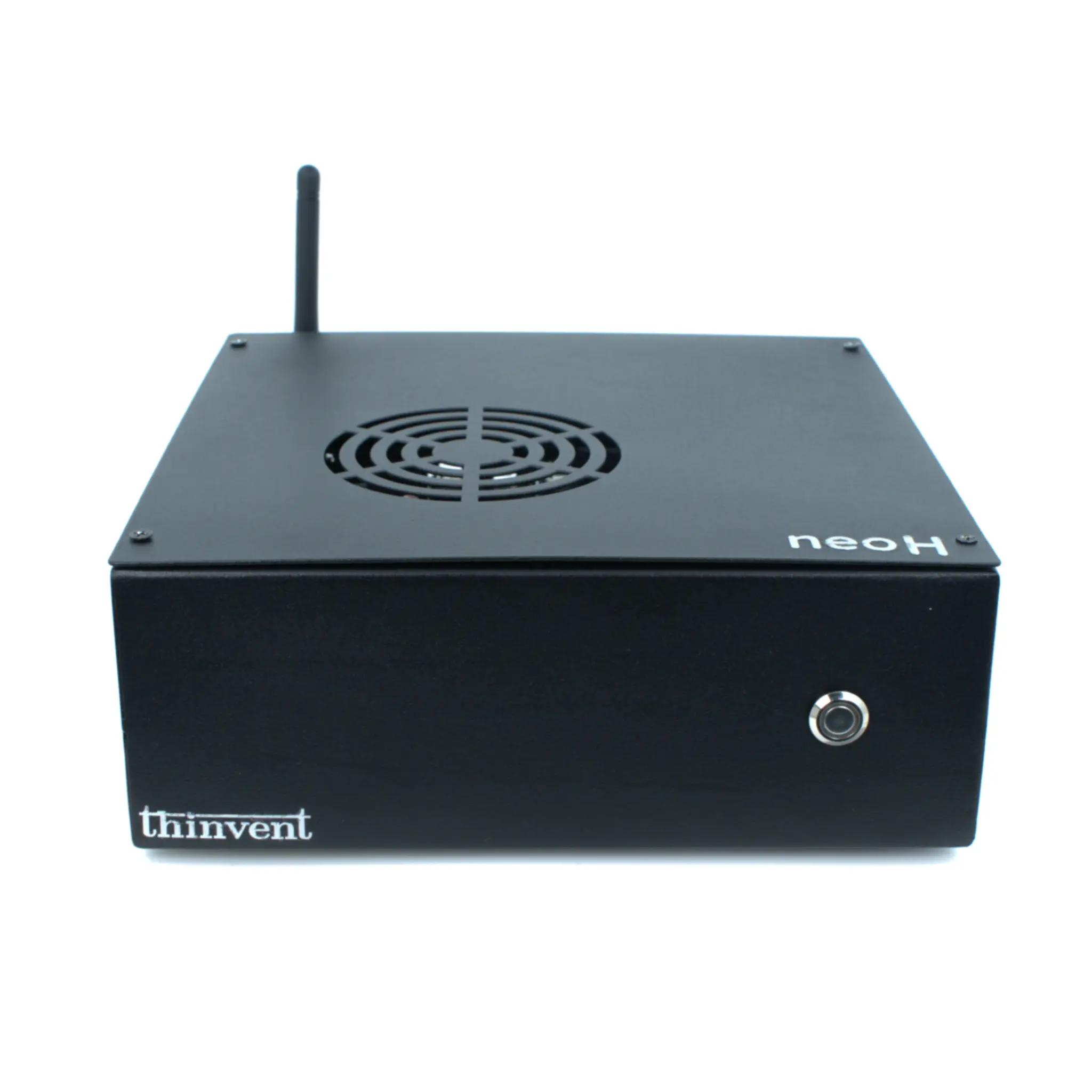
While Thinvent's product portfolio is built on the modern, widely compatible Intel architecture, we engineer our systems to meet the demanding reliability standards associated with industrial-grade components. Our range includes fanless Mini PCs, robust Industrial PCs, and efficient Thin Clients, all designed for 24/7 operation in challenging environments. These systems leverage the latest Intel processor technology—from the efficient Intel N-series to powerful Core i-series CPUs—to deliver the performance, stability, and longevity required for critical industrial, commercial, and embedded applications worldwide.