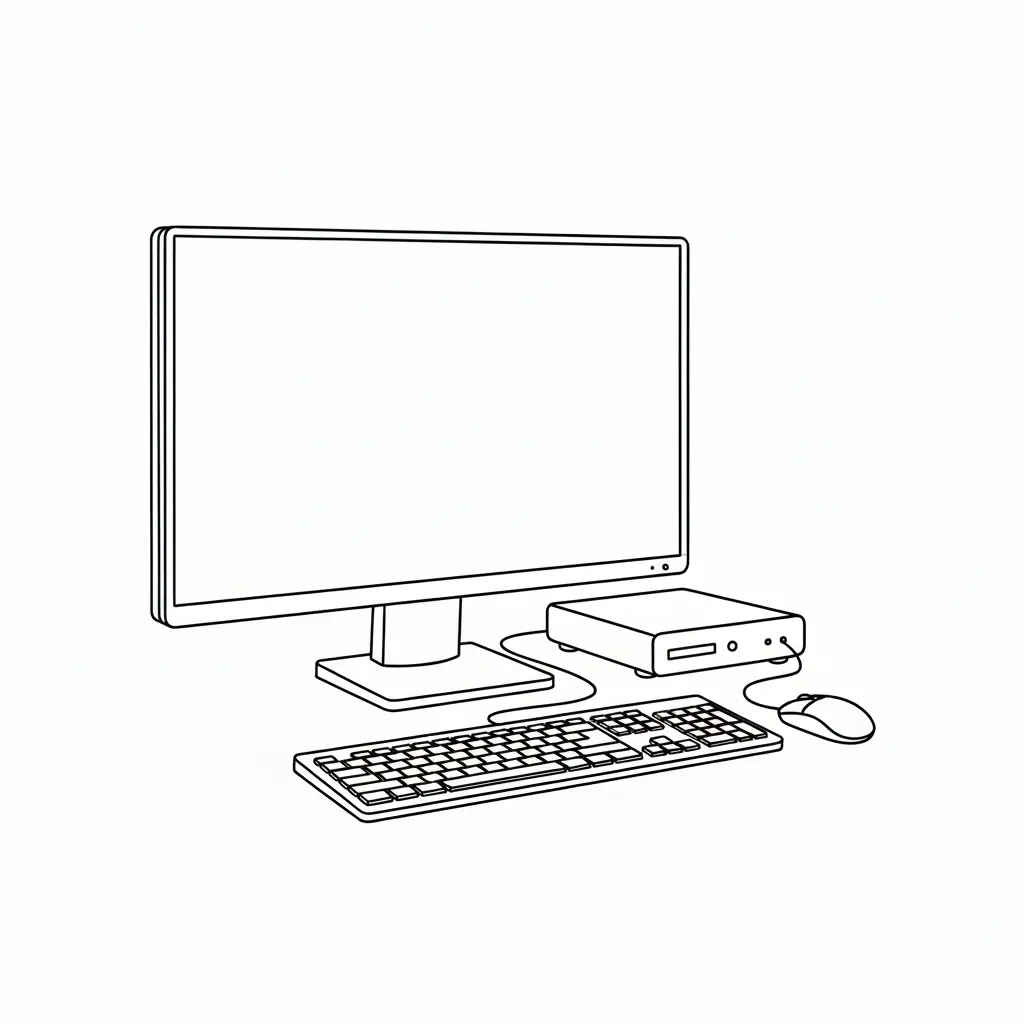
The Igel Thin Client M330C is a compact thin client built around a VIA Eden x2 U4200 1 GHz dual-core processor, with 1 GB of DDR3L memory and a SATA-based Disk-on-Chip for storage. The closest Thinvent alternative is the Thinvent Micro 5R Thin Client, which uses a 4-core ARM Cortex A53 processor with more onboard memory and Wi-Fi 6 connectivity. For a fanless, flash-based thin client with a similar role, the Thinvent Neo S Thin Client is also worth considering.
Igel M330C vs Thinvent Micro 5R and Neo S
| Feature | Igel M330C | Thinvent Micro 5R Thin Client | Thinvent Neo S Thin Client |
|---|---|---|---|
| Processor | VIA Eden x2 U4200 1 GHz | ARM Cortex A53, up to 2.0 GHz | Intel Celeron J1900, up to 2.4 GHz |
| Cores/Threads | 2 cores | 4 cores | 4 cores |
| RAM | 1 GB DDR3L (max 4 GB) | 2 GB onboard | 4 GB DDR3 (up to 8 GB) |
| Storage | 2 GB Flash / 16 GB Disk-on-Chip (SATA) | 16 GB eMMC | 128 GB SSD (32 GB to 256 GB) |
| Wireless | Not stated | Wi-Fi 6 and Bluetooth 5 | No WiFi |
| Form Factor | Thin client | Thin client | Thin client |
Key differences
-
Thinvent Micro 5R offers four cores against the M330C's two, along with Wi-Fi 6 and Bluetooth 5 included.
-
Thinvent Neo S offers up to 8 GB of RAM and storage options from 32 GB to 256 GB, compared with the M330C's 1 GB base and 4 GB maximum RAM.
-
Thinvent Neo S uses an Intel Celeron J1900 with a higher maximum frequency of 2.4 GHz, compared with the M330C's 1 GHz processor.
-
The M330C's VIA platform is a lower-performance class than either Thinvent option, so it suits only light, basic terminal tasks.
-
Thinvent Neo S has no built-in wireless, so buyers who need Wi-Fi should choose the Micro 5R.
Which one should you choose?
Choose the Thinvent Micro 5R if you need a compact thin client with more cores and built-in Wi-Fi 6, for example for a pfSense-adjacent network or wireless deployment. Choose the Thinvent Neo S if you need more memory and a larger SSD-based storage option in a wired setup.