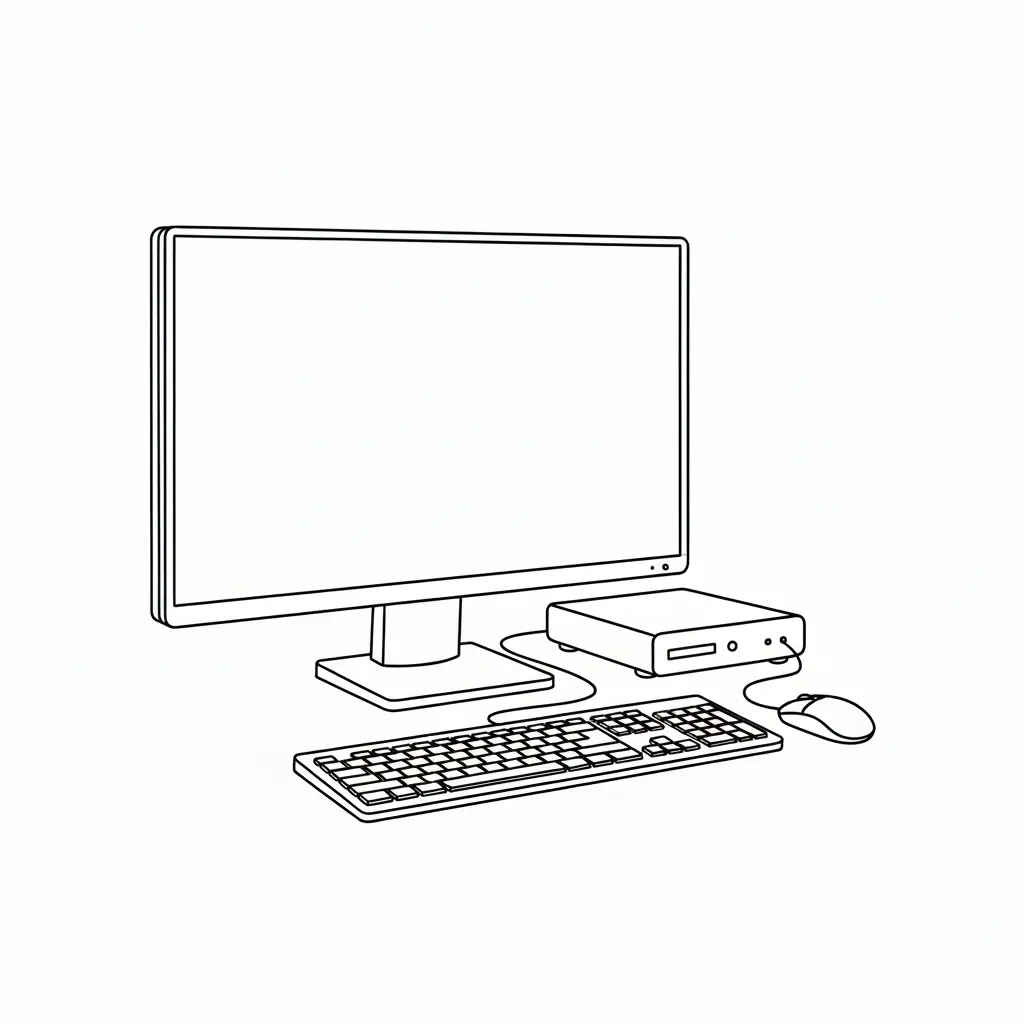
The Igel Windows Embedded Standard 7 is a fanless Thin Client from the Igel UD5 series, with an Intel Celeron processor, up to 2 GB of RAM, up to 8 GB of flash storage and two display outputs. The closest Thinvent match is the Thinvent Neo S Thin Client with an Intel Celeron J1900 processor, which is also fanless, has a single Ethernet port and runs Windows 11 Pro.
Igel Windows Embedded vs Thinvent Neo S Thin Client
| Igel UD5 Windows Embedded Standard 7 | Thinvent Neo S Thin Client, Intel Celeron J1900 | |
|---|---|---|
| Processor | Intel Celeron 847, 1.1 GHz | Intel Celeron J1900, 4 cores, up to 2.4 GHz |
| Cores/Threads | Not confirmed | 4 cores |
| RAM | Up to 2 GB | 4 GB |
| Storage | Up to 8 GB flash (SATA SSD) | 128 GB SSD |
| Form Factor | Thin Client | Thin Client |
| Operating System | Windows Embedded Standard 7 | Windows 11 Pro (also Windows 11 IoT, Ubuntu Linux, Thinux Embedded Linux, DOS, no OS) |
| Cooling | Fanless | Fanless passive cooling |
| Display outputs | 2 (DVI and DisplayPort) | HDMI and VGA (1 each) |
| Ethernet | 1 port (RJ45) | 1 port, 1000 Mbps |
Key differences
-
The Thinvent Neo S has up to 4 GB RAM with 128 GB SSD, against the Igel UD5's 2 GB RAM and up to 8 GB flash storage.
-
The Thinvent Neo S includes a current Windows 11 Pro licence and a choice of Windows 11 IoT, Ubuntu Linux, Thinux Embedded Linux and DOS, where the Igel runs Windows Embedded Standard 7.
-
The Thinvent Neo S has 4 USB 2.0 ports, one USB 3.0 port, two DB9 serial ports and a parallel port on the front panel.
-
The Igel UD5 can drive two digital monitors through DVI and DisplayPort, while the Thinvent Neo S has HDMI and VGA outputs.
-
The Igel UD5 has a PCIe slot for expansion. We could not confirm the Igel UD5's expansion options beyond this slot. The Thinvent Neo S does not have a PCIe slot.
Which one should you choose?
Choose the Igel UD5 if your deployment is built around Windows Embedded Standard 7 and needs its PCIe expansion slot or dual digital display support. Choose the Thinvent Neo S Thin Client if you want more memory and storage, a current Windows 11 Pro installation, or the option to run Linux or DOS, with the same fanless design and a single Ethernet port.