What is an Inbuilt System Monitor?
An inbuilt system monitor refers to hardware and software capabilities within an industrial computer that allow for real-time tracking of critical system parameters. This includes monitoring CPU temperature, fan speeds (if applicable), voltage levels, and overall system health. For fanless industrial PCs, which are designed for silent and reliable operation in harsh environments, this monitoring is crucial for ensuring the system operates within safe thermal limits without active cooling.
Key Technical Specifications for Monitoring
Effective system monitoring relies on specific hardware features and sensor integration. Key components include:
-
Hardware Sensors: Embedded sensors on the motherboard for temperature (CPU, chassis), voltage (12V rail), and system status.
-
Processor Support: Modern Intel processors, such as the 12th Gen N-Series (e.g., N100), include enhanced power and thermal monitoring features accessible via the operating system.
-
Software Interface: Data from hardware sensors is typically accessed through the operating system (e.g., Windows Task Manager, Linux commands like
sensorsorlm-sensors) or dedicated vendor software. This allows for logging, alerting, and integration into larger network management systems. -
Reliability Features: Fanless design with robust heat sinks ensures consistent thermal performance, making monitoring data more predictable and stable over long periods.
Applications and Use Cases
Industrial computers with robust system monitoring are essential for deployments where uptime and predictability are critical.
-
Digital Signage & Kiosks: Monitoring ensures displays and interactive units remain operational in varying ambient temperatures.
-
Industrial Automation: In manufacturing environments, monitoring CPU temperature and health can prevent downtime in PLCs or machine vision systems.
-
Thin Client & VDI Environments: Centralized IT management can proactively monitor the health of numerous endpoint devices.
-
Embedded Systems: For transportation, retail, or healthcare applications, system monitoring provides early warnings for maintenance needs.
Comparison of Monitoring Capabilities by Form Factor
| Form Factor | Typical Monitoring Features | Best For Environments |
|---|---|---|
| Industrial Mini PC | CPU/Chassis temp, voltage, fanless health status. | Space-constrained, harsh (dusty, wide temp.) |
| Thin Client | Basic health status, network connectivity. | Centralized, office/light industrial. |
| All-in-One Panel PC | Touchscreen status, broader thermal management. | Human-Machine Interface (HMI), control rooms. |
| Rugged Industrial PC | Comprehensive sensor suite, wide temp. range logging. | Extreme conditions (vibration, moisture). |
Thinvent Products Featuring System Monitoring
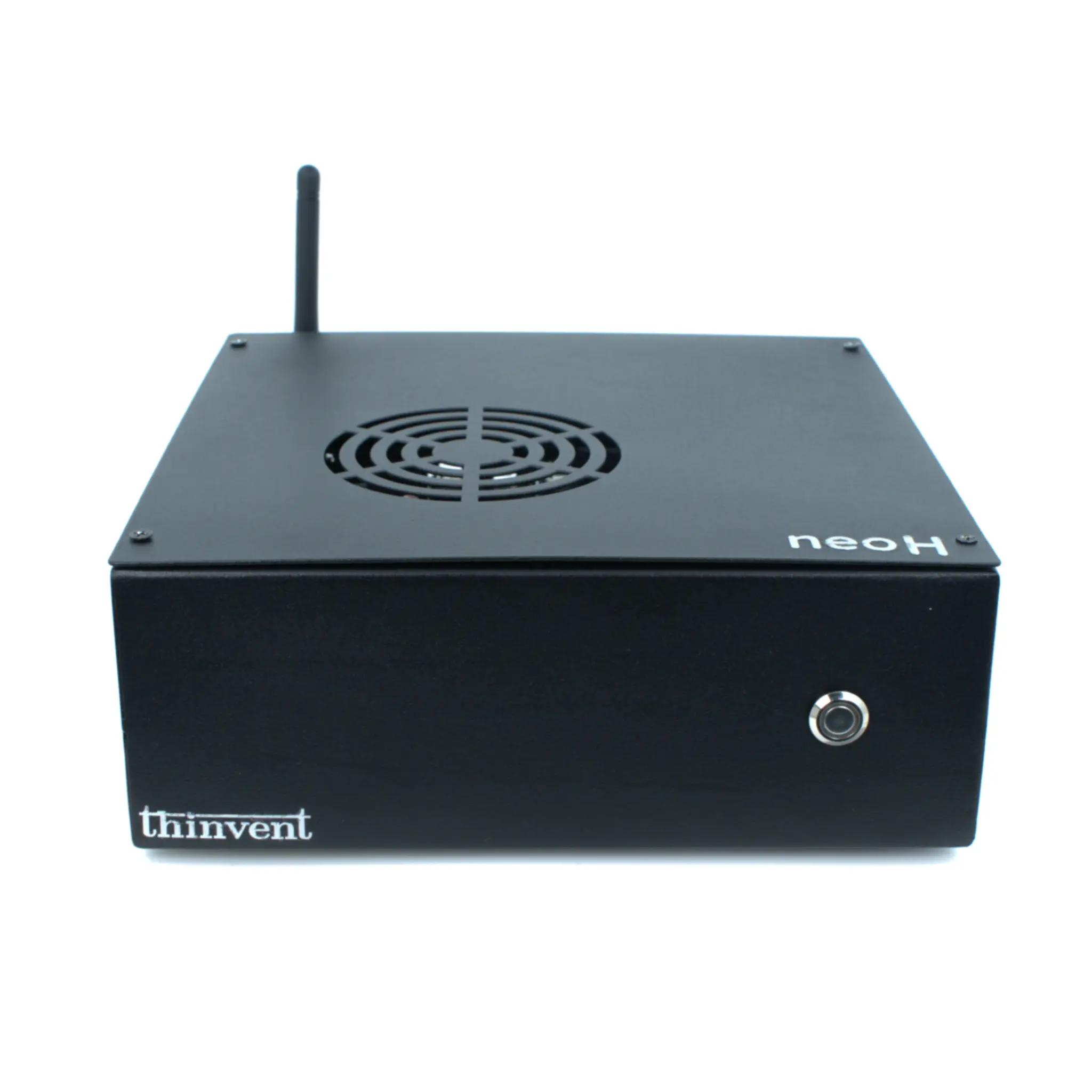
Thinvent's range of industrial computing solutions is engineered with reliability and system health in mind. Our fanless Mini PCs, like the Aero series, are built on platforms that support comprehensive hardware monitoring. Utilizing efficient Intel processors, these systems provide stable thermal performance ideal for continuous operation. The data from internal sensors can be leveraged with various operating systems—including Windows 11 IoT/Pro, Ubuntu Linux, and our own Thinux™ Embedded Linux—to create a reliable, monitored endpoint for your critical applications. Explore our configurable options to find a system that meets your specific performance and monitoring requirements.