What Are Industrial Computers?
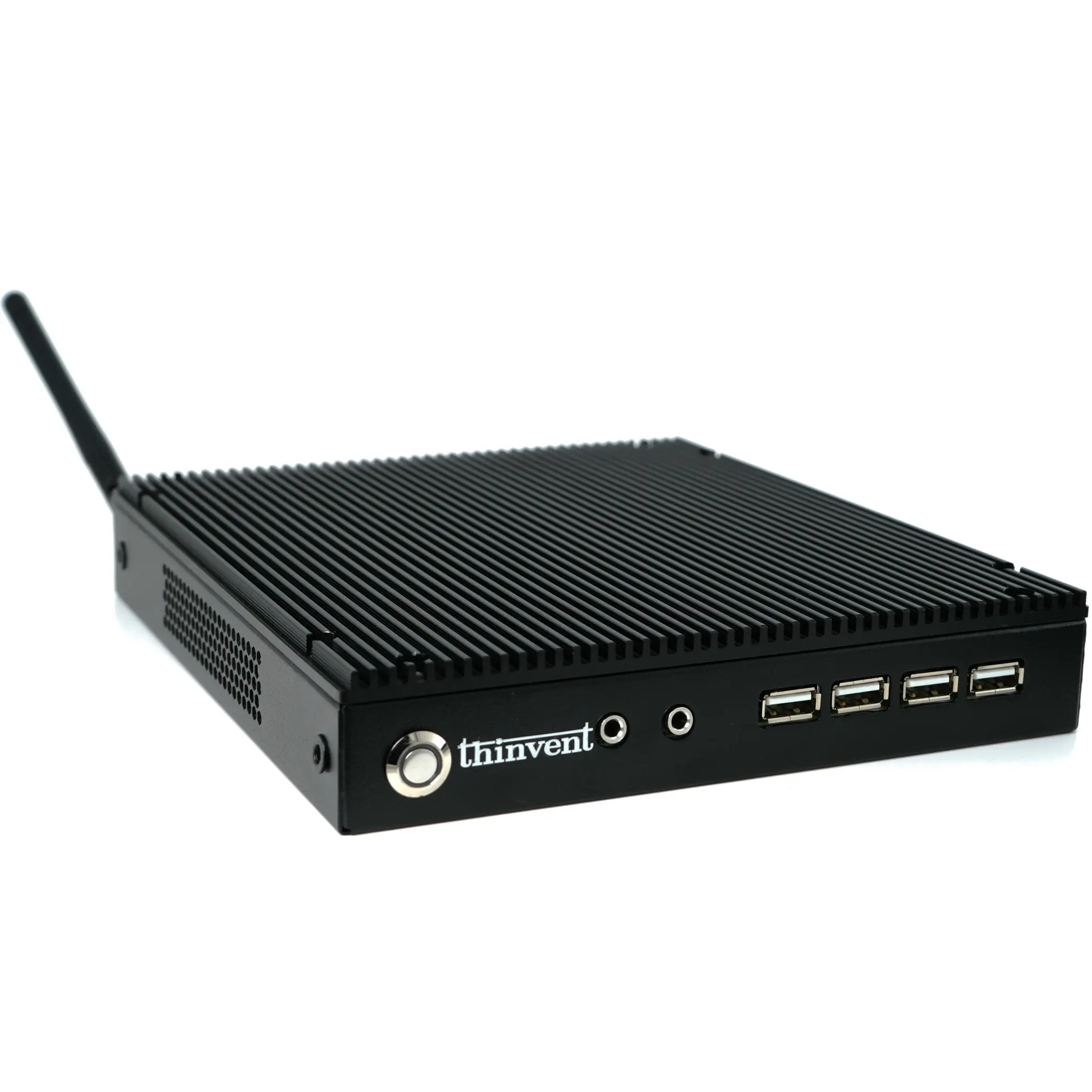
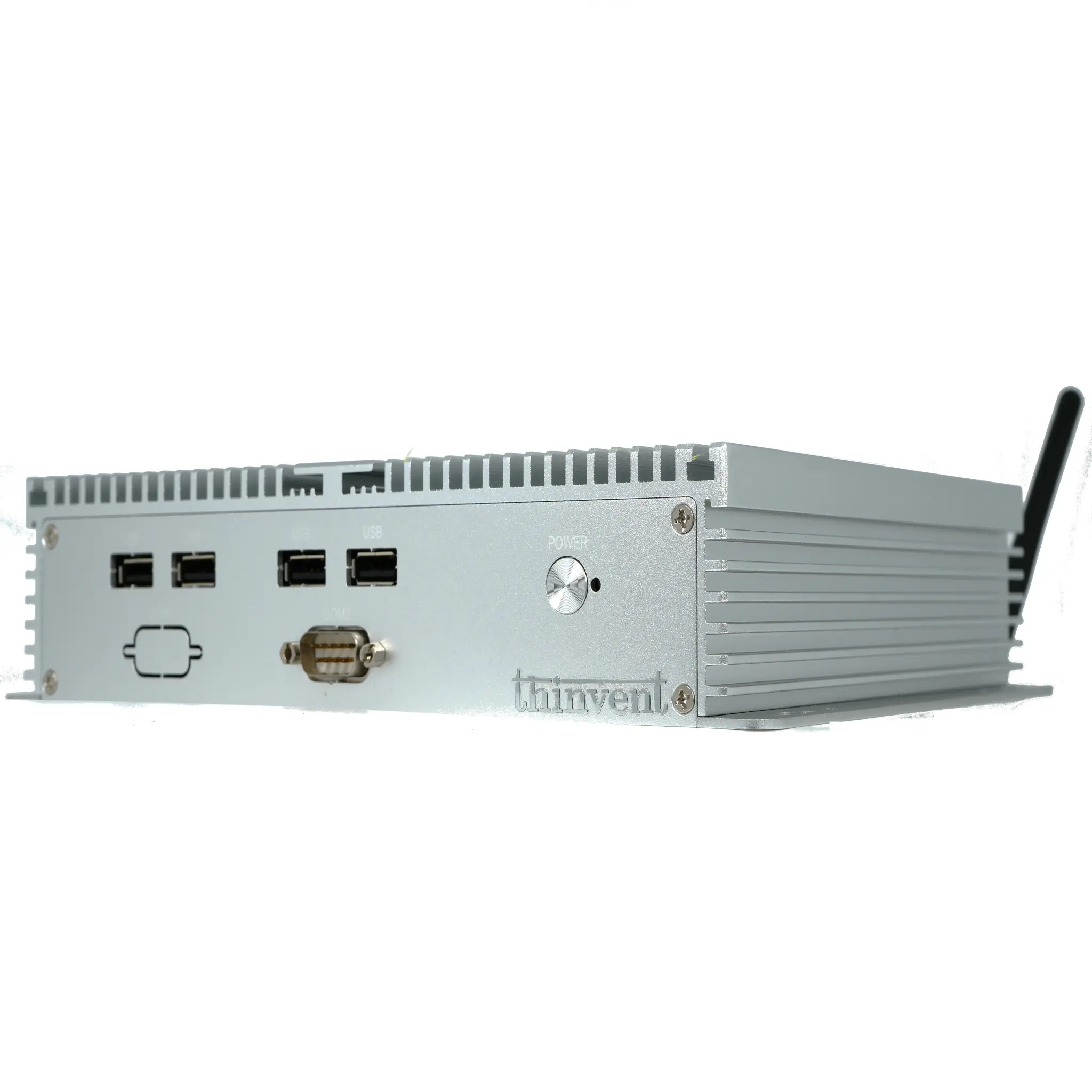
Industrial computers are specialized computing systems engineered for reliability and durability in demanding, non-office environments. Unlike standard commercial PCs, they are built to withstand extreme temperatures, dust, moisture, vibration, and continuous 24/7 operation. They are the backbone of automation, providing the processing power and connectivity needed for mission-critical industrial applications.
Key Specifications and Technical Details
These systems prioritize robustness and longevity over raw consumer-grade performance. Common features include fanless, sealed designs for dust and particulate resistance, wide operating temperature ranges (often from -20°C to 60°C or beyond), and support for industrial voltage inputs (e.g., 9-36V DC). They utilize industrial-grade components with extended lifecycles and offer extensive connectivity options, including multiple Ethernet ports (often with PoE), serial ports (RS-232/485), and expansion slots for specialized I/O cards. Mounting options like DIN-rail, VESA, or panel-mount are standard for easy integration into control cabinets or machinery.
Primary Use Cases and Applications
Industrial computers are deployed across numerous sectors where environmental conditions or reliability requirements preclude the use of standard IT equipment. Key applications include:
-
Factory Automation & Process Control: Acting as PLC supervisors, HMI stations, and data acquisition hubs on the factory floor.
-
Machine Vision & Inspection: Powering camera systems for quality control, robotic guidance, and defect detection.
-
Digital Signage & Kiosks: Driving displays in public spaces, retail, and transportation, requiring 24/7 uptime.
-
Edge Computing & IoT Gateways: Collecting, processing, and transmitting data from sensors and equipment at the network edge.
-
Transportation & Logistics: Used in fleet management, railway systems, and warehouse automation, enduring constant movement and vibration.
Comparison: Industrial vs. Commercial Computers
| Feature | Industrial Computer | Commercial/Office PC |
|---|---|---|
| Operating Temperature | Wide range (e.g., -20°C to 60°C) | Narrow range (typically 5°C to 35°C) |
| Design & Cooling | Fanless, sealed, rugged enclosures | Active cooling (fans), ventilated cases |
| Component Lifespan | 5-7+ years (long-term availability) | 1-3 years (rapid refresh cycles) |
| Shock & Vibration | Certified to withstand high levels | Not designed for significant vibration |
| Power Input | Wide-range DC (e.g., 9-36V) | Standard AC (110-240V) |
| I/O & Expansion | Multiple serial, GPIO, PCI/PCIe slots | Limited to common USB, video, network |
| Mounting | DIN-rail, VESA, panel, wall-mount | Typically desktop or tower |
Thinvent's Range of Industrial Computing Solutions
Thinvent offers a comprehensive portfolio of industrial-grade computing hardware designed for global deployment. Our product lines include compact and powerful Industrial Mini PCs and Fanless Box PCs, ideal for space-constrained automation and edge computing tasks. For centralized control room applications, our Industrial All-in-One PCs provide a robust, integrated display and computing solution. We also offer versatile Thin Clients for secure, centralized virtual desktop infrastructure (VDI) in industrial settings. All Thinvent systems are built with high-quality, reliable components, support a wide range of operating systems including Windows IoT and Linux, and are engineered for long-term stability in challenging operational environments.