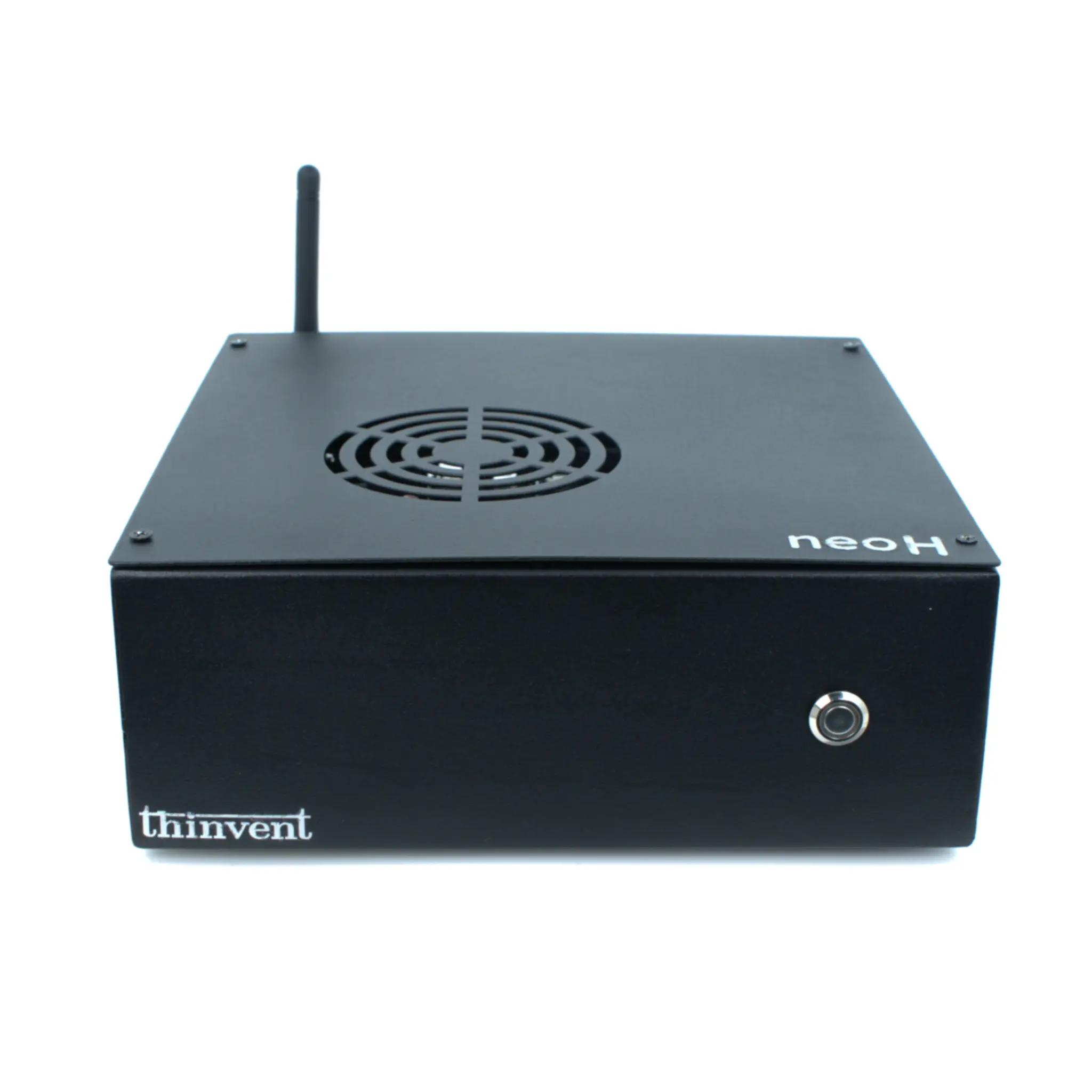
What Are Industrial IoT Gateway Devices?
Industrial IoT (IIoT) gateways are specialized computing devices that serve as the critical bridge between sensors, machines, and industrial equipment on the factory floor and cloud-based or on-premises data systems. They perform essential functions like data aggregation, protocol translation, edge processing, and secure connectivity, enabling real-time monitoring, control, and analytics in harsh industrial environments.
Key Specifications for IIoT Gateways
Selecting the right gateway requires careful consideration of technical specifications to ensure reliability and performance. Key features include:
-
Rugged & Fanless Design: Essential for operation in environments with dust, vibration, and wide temperature ranges (-20°C to 60°C is common), ensuring 24/7 uptime without moving parts that can fail.
-
Connectivity: Multiple Gigabit Ethernet ports for network backbone, alongside support for industrial protocols (Modbus, PROFINET, OPC UA) and wireless options (Wi-Fi, 4G/5G, Bluetooth) for field device integration.
-
Processing Power: Efficient, low-power processors (like Intel's N-series) with sufficient cores (typically 4 or more) to handle data preprocessing, security encryption, and local analytics at the edge.
-
Operating System Flexibility: Support for lightweight, secure OS options like Linux (Ubuntu, Yocto) or Windows IoT is crucial for deploying custom applications and managing security patches.
-
Expansion & I/O: Availability of serial ports (RS-232/485), digital I/O, and expansion slots (M.2, mini-PCIe) for adding cellular modems, additional storage, or specialized interface cards.
Applications and Use Cases
Industrial IoT gateways are deployed across numerous sectors to enable digital transformation:
-
Smart Manufacturing: Connecting PLCs, robots, and CNC machines for predictive maintenance, production monitoring, and Overall Equipment Effectiveness (OEE) tracking.
-
Energy & Utilities: Managing remote substations, solar farms, and oil & gas pipelines by collecting sensor data on flow, pressure, and temperature.
-
Building Automation: Centralizing control of HVAC, lighting, and security systems in commercial buildings for energy efficiency.
-
Transportation & Logistics: Enabling fleet telematics, asset tracking, and condition monitoring for vehicles and cargo.
Comparison of Common Gateway Form Factors
| Feature | Industrial Mini PC | Panel PC / All-in-One | Box PC / Rugged Gateway |
|---|---|---|---|
| Primary Role | Edge computing, data aggregation | Human-Machine Interface (HMI) + local control | Dedicated, hardened gateway in extreme conditions |
| Typical Environment | Control cabinets, clean industrial areas | Factory floor, kiosks, control rooms | Outdoor, mobile, or high-vibration areas |
| Key Advantage | Balance of performance, size, and cost | Integrated display for local visualization | Highest level of ruggedness and wide temp operation |
| Best For | Protocol translation, cloud connectivity | Operator interaction with process visualization | Railway, mining, renewable energy sites |
Thinvent Industrial IoT Gateway Solutions
Thinvent offers a robust range of industrial computing devices engineered to perform reliably as IIoT gateways. Our product lines, such as the Aero Mini PC series, are built with the core requirements of edge connectivity in mind. Featuring fanless designs for silent and reliable operation, efficient Intel processors for local data processing, and multiple high-speed connectivity ports, they are ideal for deploying at the network edge. We provide flexible operating system options, including Windows IoT and various Linux distributions, to support your specific application stack. Designed for 24/7 operation in demanding conditions, Thinvent gateways provide a secure and scalable foundation for your industrial automation and data acquisition projects.