Understanding the Industrial and Business Computing Landscape
When sourcing computing hardware for industrial or business applications, reliability, longevity, and consistent performance are paramount. Unlike consumer-grade devices, industrial computers must operate in demanding environments—from factory floors and retail counters to digital signage and server rooms. The key differentiators include robust build quality, extended lifecycle support, and the ability to run 24/7 without failure. For organizations scaling their IT infrastructure or upgrading legacy systems, choosing the right form factor and specifications directly impacts total cost of ownership and operational uptime.
Key Specifications to Consider
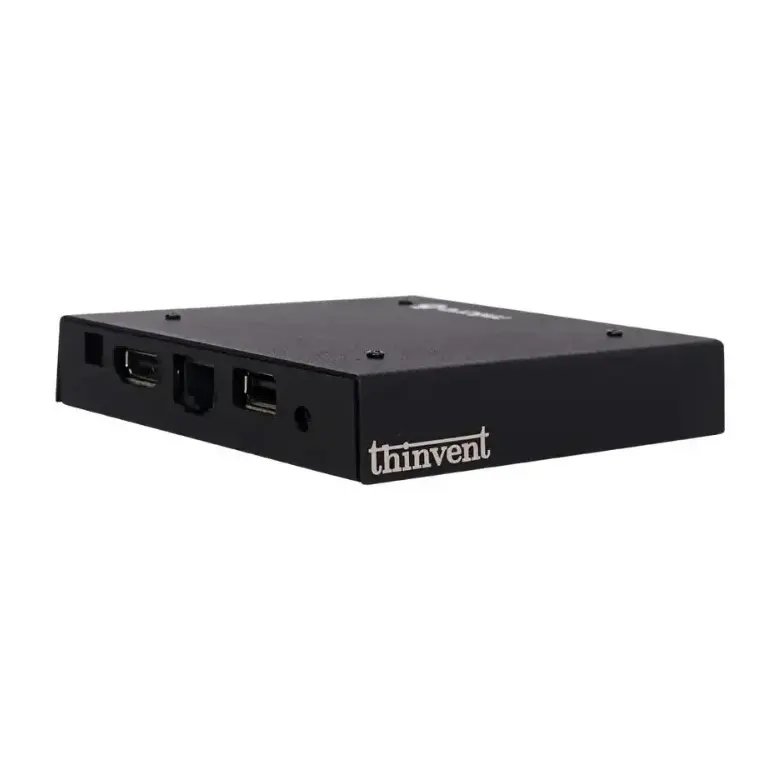
The Intel N100 processor featured in these mini PCs represents a modern, energy-efficient architecture ideal for business workloads. With 4 cores, a max turbo frequency of 3.4 GHz, and 6 MB of cache, it handles multitasking, office productivity, and lightweight industrial applications efficiently. The 16 GB DDR4 RAM ensures smooth operation for virtualized environments, database management, or running multiple applications simultaneously. The 128 GB SSD provides fast boot times and responsive data access, while the compact fanless design minimizes maintenance and noise. These systems are powered by a 12V 10A adapter, emphasizing low power consumption—a critical factor for deployments in remote locations or cost-sensitive operations.
Use Cases Across Industries
These mini PCs are versatile enough for a wide range of commercial and industrial applications. In retail environments, they can power POS systems, inventory management terminals, or digital signage. In industrial settings, they serve as edge computing nodes for data collection, machine monitoring, or control system interfaces. For enterprise office use, they replace bulky desktops with space-saving, energy-efficient workstations. The availability of multiple operating systems—Windows 11 IoT/Pro, Linux distributions, or DOS—allows system integrators to deploy them in specialized environments without unnecessary licensing costs. The lack of onboard WiFi is intentional for security-sensitive deployments where wired Ethernet connections are preferred.
Comparison of Operating System Options
| Operating System | Best Use Case | Key Advantage |
|---|---|---|
| Windows 11 IoT | Industrial automation, kiosks | Long-term support, embedded features |
| Windows 11 Pro | Business productivity, domain join | Full enterprise features, BitLocker |
| Ubuntu Linux | Development, open-source stacks | No licensing cost, community support |
| Thinux Embedded Linux | Custom embedded applications | Lightweight, optimized for hardware |
| DOS | Legacy system replacement, basic tasks | Minimal footprint, compatibility |
Thinvent's Industrial-Grade Mini PCs
Thinvent's Aero Mini PC series is engineered specifically for industrial and business buyers who demand reliability beyond consumer hardware. Each unit undergoes rigorous testing for thermal stability and long-duration operation. The fanless design eliminates moving parts, reducing failure points and enabling silent operation in noise-sensitive environments like libraries or medical offices. With multiple operating system options and configurations tailored for volume deployment, Thinvent provides the flexibility needed for system integrators and IT managers. Whether you need a standardized fleet for a retail chain or a specialized edge device for a manufacturing line, these mini PCs deliver consistent performance with a compact footprint that fits seamlessly into any workspace.